

GIVE THE PERFECT GIFT
Erin Mills Town Centre Gift Cards are the perfect choice for your gift giving needs.Purchase gift cards at kiosks near the food court or centre court, at Guest Services, or click below to purchase online.PURCHASE HEREHome
Argentine Cinema And National Identity (1966-1976)
Indigo
Loading Inventory...
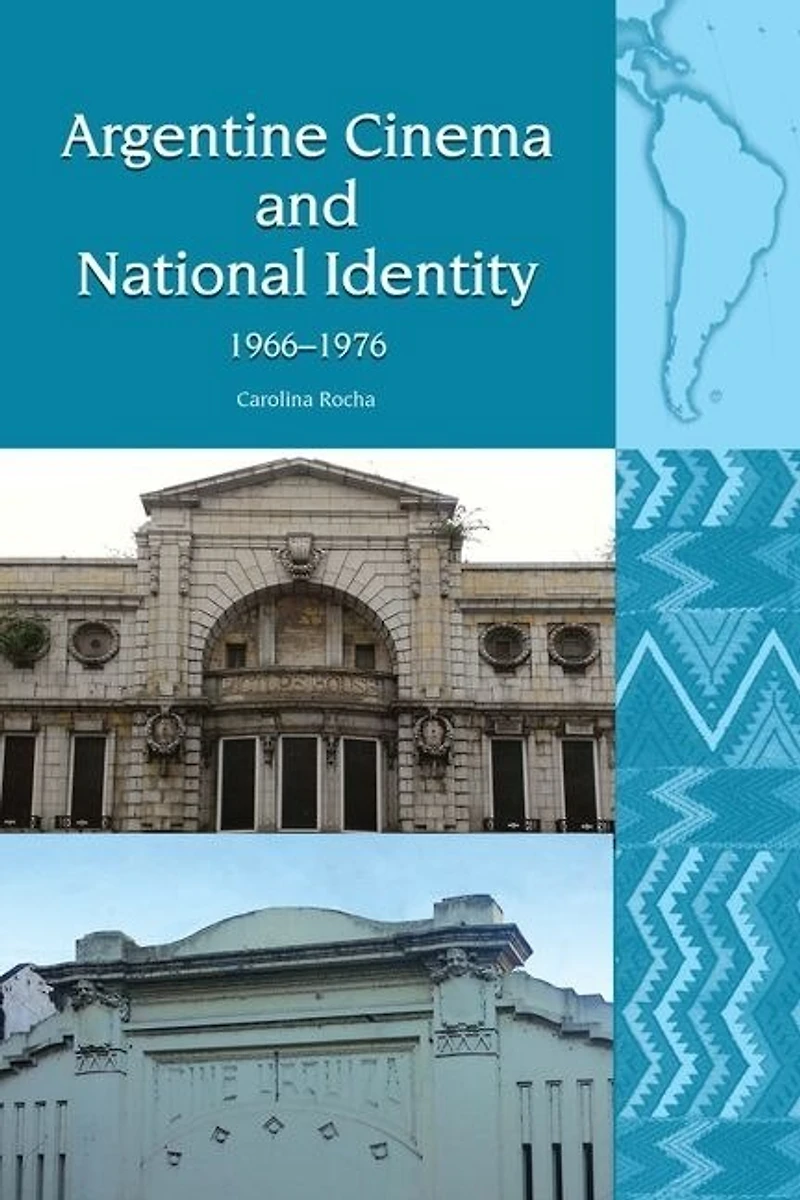
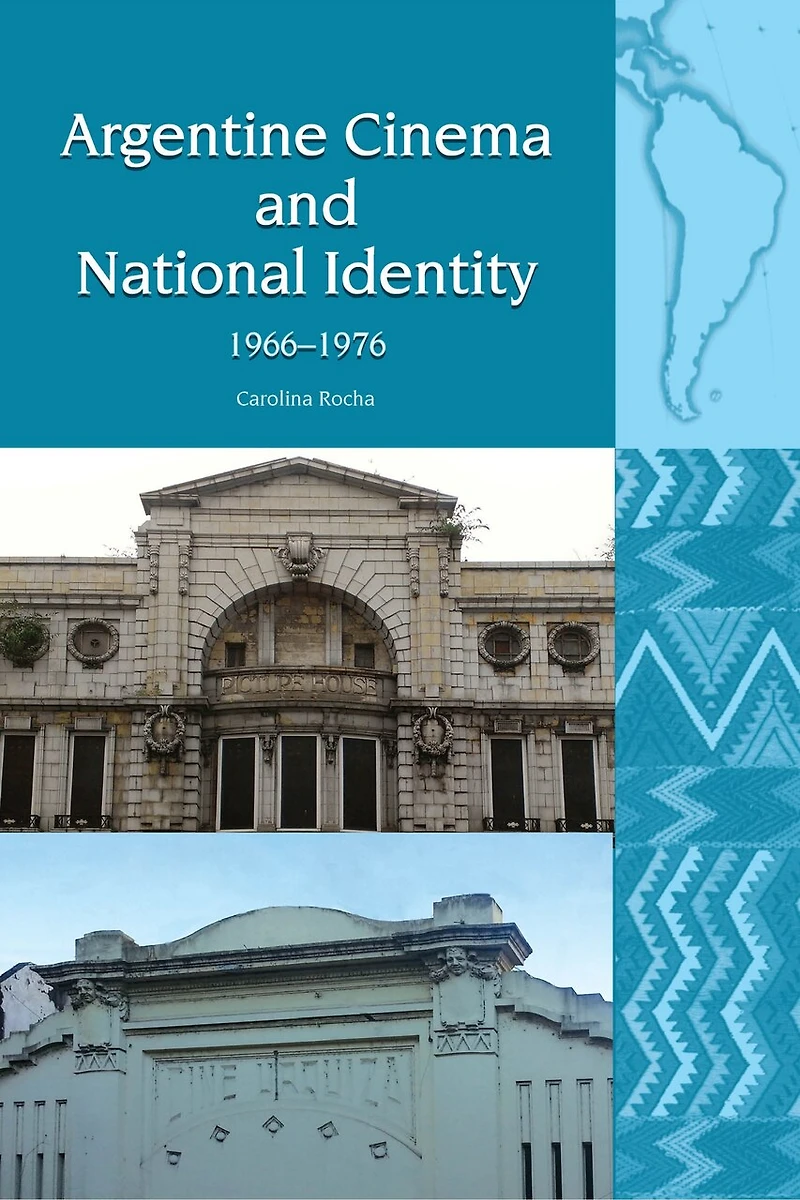
Argentine Cinema And National Identity (1966-1976)
Current price: $80.95

Argentine Cinema And National Identity (1966-1976)
Current price: $80.95
Loading Inventory...
Size: Hardcover
*Product information may vary - to confirm product availability, pricing, shipping and return information please contact Indigo
An Open Access edition of this book is available on the Liverpool University Press website and through Knowledge Unlatched. Argentine Cinema and National Identity covers the development of Argentine cinema since the late 1950s to the mid-1970s, a period that has been understudied. This essential cultural history delves on the dialect tradition versus modernity that was in place during those years and also comprises an examination of the political economy of film production as well as the different laws, including that implementing censorship that regulated this cultural industry. It also pays particular attention to two historical film genres: the historical film genre per se and the gauchesque , a genre based on outlaw gauchos that was crucial for nation-building in the nineteenth century. This volume investigates the way Argentine cinema positioned itself when facing the competition of glossy American films and resorted to the historical and gauchesque to bridge the stark divisions between the Argentine left and right in the late 1960s.
An Open Access edition of this book is available on the Liverpool University Press website and through Knowledge Unlatched. Argentine Cinema and National Identity covers the development of Argentine cinema since the late 1950s to the mid-1970s, a period that has been understudied. This essential cultural history delves on the dialect tradition versus modernity that was in place during those years and also comprises an examination of the political economy of film production as well as the different laws, including that implementing censorship that regulated this cultural industry. It also pays particular attention to two historical film genres: the historical film genre per se and the gauchesque , a genre based on outlaw gauchos that was crucial for nation-building in the nineteenth century. This volume investigates the way Argentine cinema positioned itself when facing the competition of glossy American films and resorted to the historical and gauchesque to bridge the stark divisions between the Argentine left and right in the late 1960s.
You May Also Like








More About Indigo at Erin Mills Town Centre
The largest book retailer in Canada also offers toys, music, home décor, gifts and lifestyle products. What's Inside...Books, Magazines, CD’s and DVD’s, Toys and Gifts, Home Accents, Electronics, Baby’s and Children’s Section, Bath and Body, Kitchen and Bedroom, Stationary Located outside in the exterior plaza.
5015 Glen Erin Dr, Mississauga, ON L5M 0R7, Canada
Find Indigo at Erin Mills Town Centre in Mississauga ON
Visit Indigo at Erin Mills Town Centre in Mississauga ON