

GIVE THE PERFECT GIFT
Erin Mills Town Centre Gift Cards are the perfect choice for your gift giving needs.Purchase gift cards at kiosks near the food court or centre court, at Guest Services, or click below to purchase online.PURCHASE HEREHome
Arminius the Liberator: Myth and Ideology
Indigo
Loading Inventory...
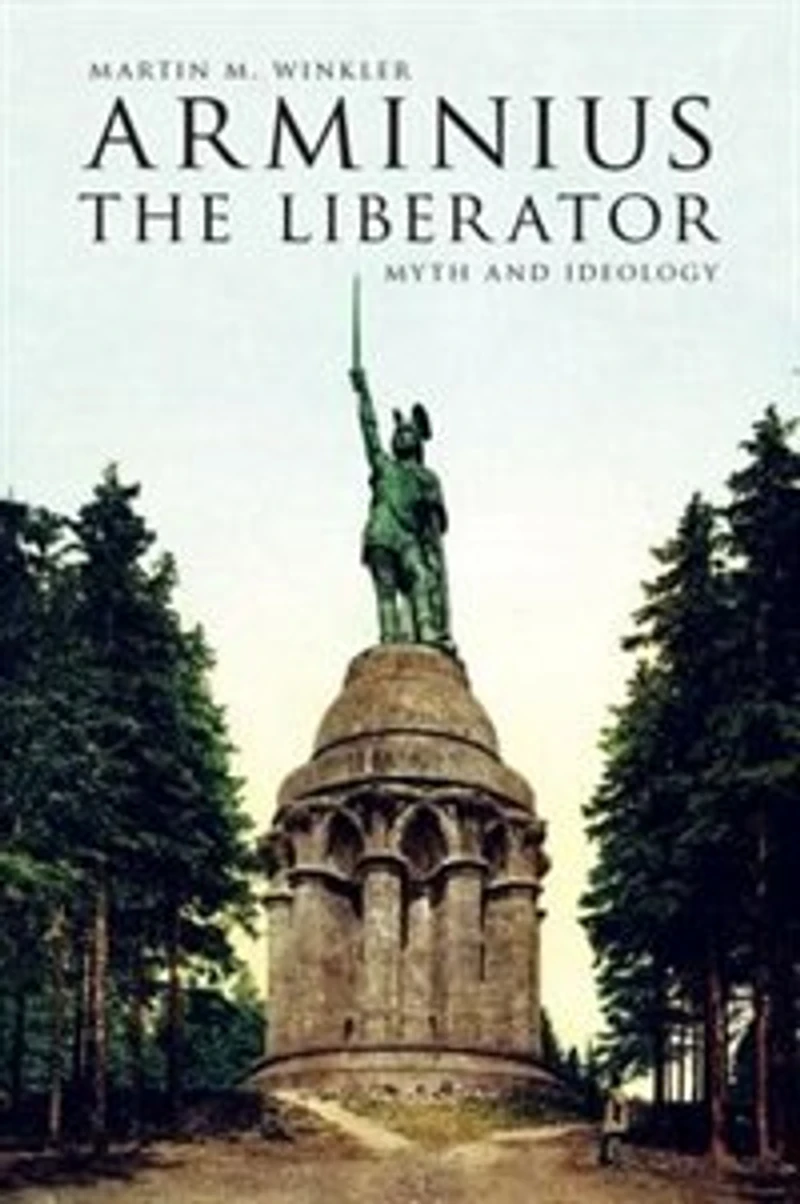
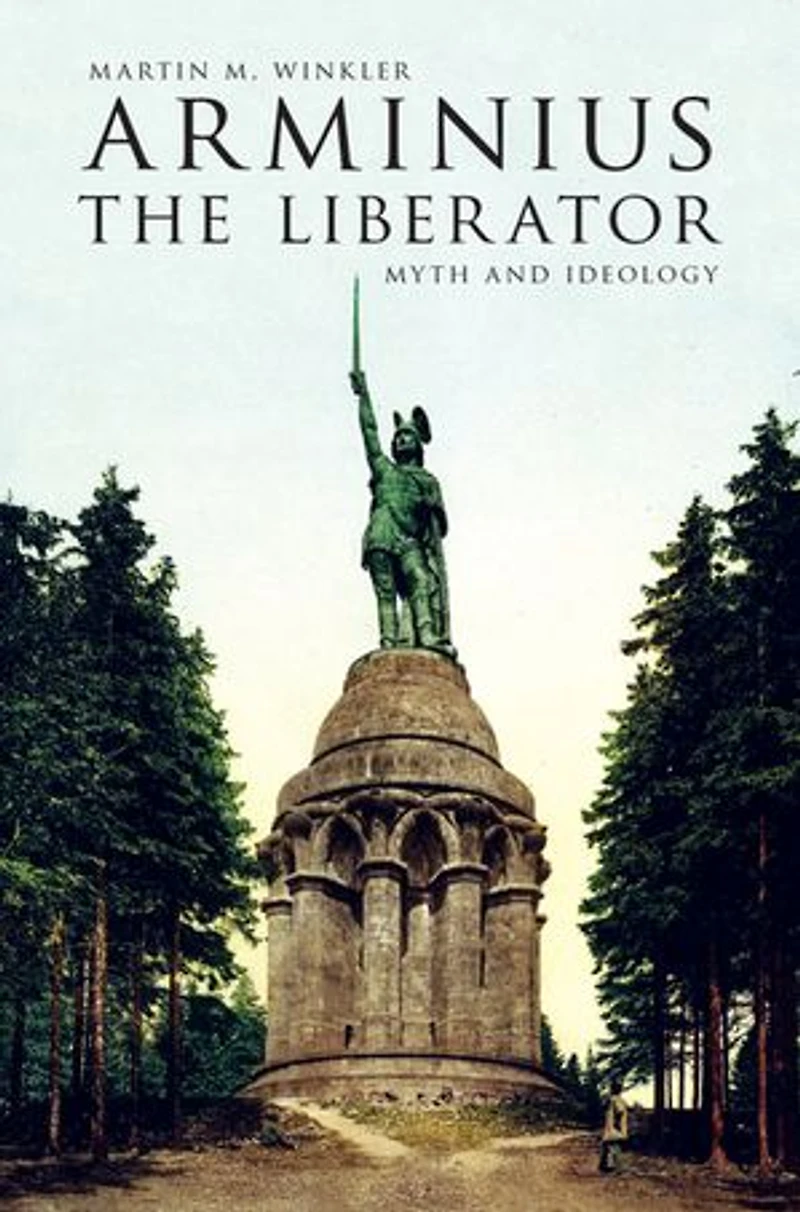
Arminius the Liberator: Myth and Ideology
Current price: $81.50

Arminius the Liberator: Myth and Ideology
Current price: $81.50
Loading Inventory...
Size: Hardcover
*Product information may vary - to confirm product availability, pricing, shipping and return information please contact Indigo
Arminius the Liberator deals with the complex modern reception of Arminius the Cheruscan, commonly called Hermann. Arminius inflicted one of their most devastating defeats on the Romans in the year 9 A.D. by annihilating three legions under the command of Quintilius Varus in the Battle of the Teutoburg Forest, as it is generally if inaccurately called. This book traces the origin of the Arminius myth in antiquity and its political, artistic, and popular developments since the nineteenth century. The book's central themes are the nationalist use and abuse of history and historical myth in Germany, especially during the Weimar Republic and National Socialism, the reactions to a discredited ideology involving Arminius in post-war Europe, and revivals of his myth in the United States. Special emphasis is on the representation of Arminius in visual media since the 1960s: from painting and theater to cinema, television, and computer animation.
Arminius the Liberator deals with the complex modern reception of Arminius the Cheruscan, commonly called Hermann. Arminius inflicted one of their most devastating defeats on the Romans in the year 9 A.D. by annihilating three legions under the command of Quintilius Varus in the Battle of the Teutoburg Forest, as it is generally if inaccurately called. This book traces the origin of the Arminius myth in antiquity and its political, artistic, and popular developments since the nineteenth century. The book's central themes are the nationalist use and abuse of history and historical myth in Germany, especially during the Weimar Republic and National Socialism, the reactions to a discredited ideology involving Arminius in post-war Europe, and revivals of his myth in the United States. Special emphasis is on the representation of Arminius in visual media since the 1960s: from painting and theater to cinema, television, and computer animation.
You May Also Like











More About Indigo at Erin Mills Town Centre
The largest book retailer in Canada also offers toys, music, home décor, gifts and lifestyle products. What's Inside...Books, Magazines, CD’s and DVD’s, Toys and Gifts, Home Accents, Electronics, Baby’s and Children’s Section, Bath and Body, Kitchen and Bedroom, Stationary Located outside in the exterior plaza.
5015 Glen Erin Dr, Mississauga, ON L5M 0R7, Canada
Find Indigo at Erin Mills Town Centre in Mississauga ON
Visit Indigo at Erin Mills Town Centre in Mississauga ON