

GIVE THE PERFECT GIFT
Erin Mills Town Centre Gift Cards are the perfect choice for your gift giving needs.Purchase gift cards at kiosks near the food court or centre court, at Guest Services, or click below to purchase online.PURCHASE HEREHome
Armoured Warfare the British Army 1939-1945
Indigo
Loading Inventory...
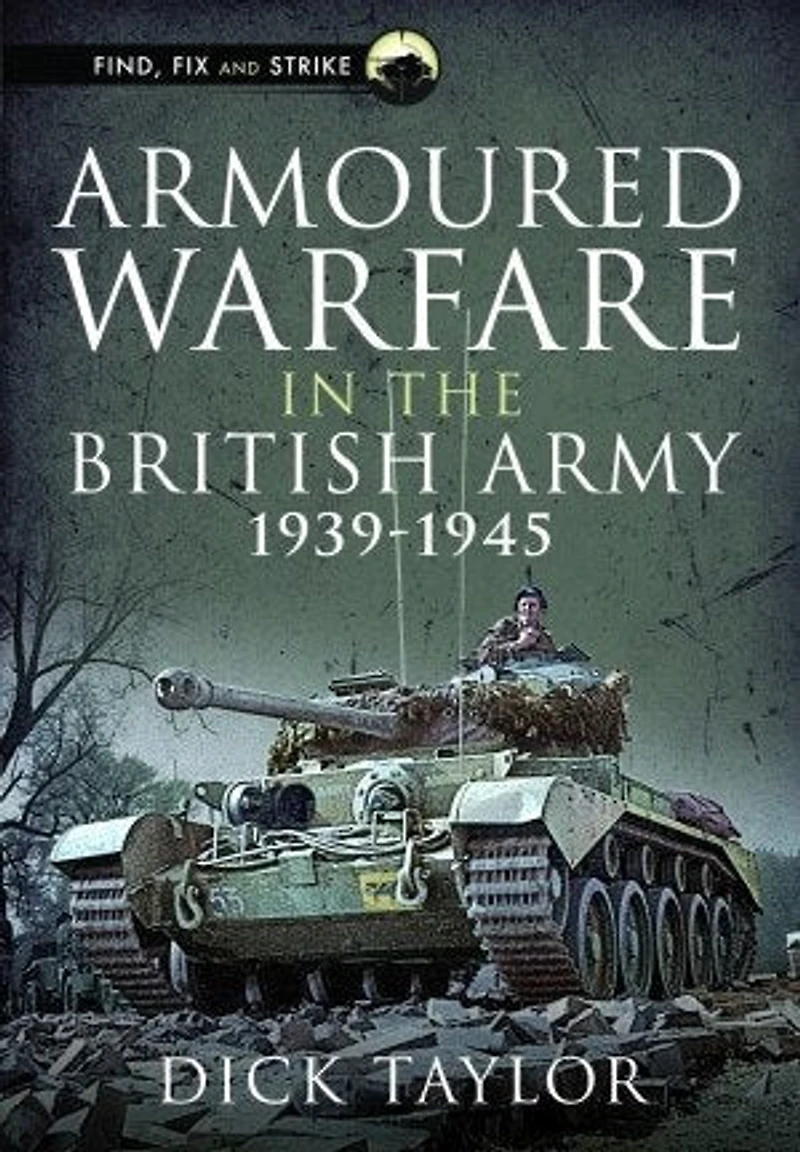
Armoured Warfare the British Army 1939-1945
Current price: $72.95

Armoured Warfare the British Army 1939-1945
Current price: $72.95
Loading Inventory...
Size: Hardcover
*Product information may vary - to confirm product availability, pricing, shipping and return information please contact Indigo
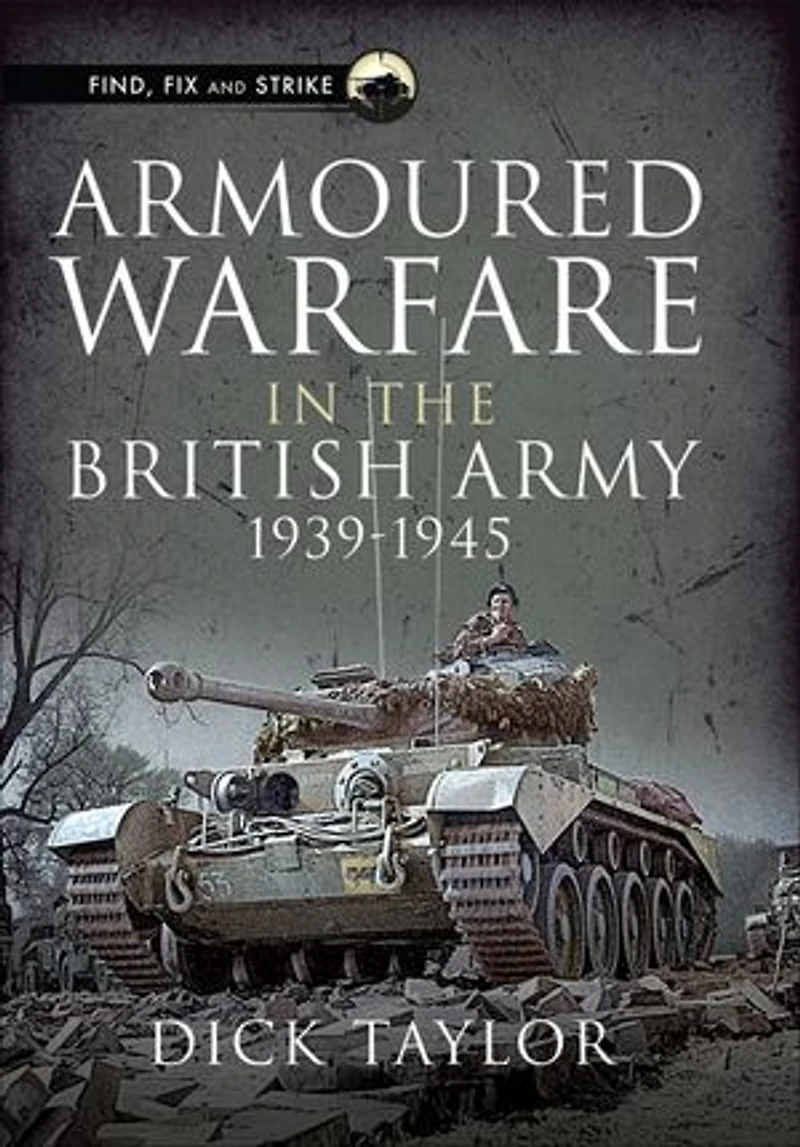
The second volume in Dick Taylor's three-volume illustrated history of the evolution of armored maneuver warfare in the British army covers the period of the Second World War, in which the tank came of age and developed into the principal land weapon of decision. He describes how, during the first half of the war, the British army came close to disaster from the armored warfare perspective and how the bitter lessons of failure were learned in time to deliver success in 1944 and 1945. As well as providing a fascinating overview of the tactical use of armor during the main campaigns, he considers such much-neglected aspects as the role of training and organization, officer selection and recruitment, and the mechanization of other arms. His wide-ranging book also features extensive, well-laid-out tables giving key information about British armor during this period. This expert account quotes heavily from the vivid recollections of soldiers who served in armor, and is not afraid to criticize as well as praise.
The second volume in Dick Taylor's three-volume illustrated history of the evolution of armored maneuver warfare in the British army covers the period of the Second World War, in which the tank came of age and developed into the principal land weapon of decision. He describes how, during the first half of the war, the British army came close to disaster from the armored warfare perspective and how the bitter lessons of failure were learned in time to deliver success in 1944 and 1945. As well as providing a fascinating overview of the tactical use of armor during the main campaigns, he considers such much-neglected aspects as the role of training and organization, officer selection and recruitment, and the mechanization of other arms. His wide-ranging book also features extensive, well-laid-out tables giving key information about British armor during this period. This expert account quotes heavily from the vivid recollections of soldiers who served in armor, and is not afraid to criticize as well as praise.
You May Also Like









More About Indigo at Erin Mills Town Centre
The largest book retailer in Canada also offers toys, music, home décor, gifts and lifestyle products. What's Inside...Books, Magazines, CD’s and DVD’s, Toys and Gifts, Home Accents, Electronics, Baby’s and Children’s Section, Bath and Body, Kitchen and Bedroom, Stationary Located outside in the exterior plaza.
5015 Glen Erin Dr, Mississauga, ON L5M 0R7, Canada
Find Indigo at Erin Mills Town Centre in Mississauga ON
Visit Indigo at Erin Mills Town Centre in Mississauga ON