

GIVE THE PERFECT GIFT
Erin Mills Town Centre Gift Cards are the perfect choice for your gift giving needs.Purchase gift cards at kiosks near the food court or centre court, at Guest Services, or click below to purchase online.PURCHASE HEREHome
Arrow Talk: Transaction, Transition, and Contradiction in New Guinea Highlands History
Indigo
Loading Inventory...
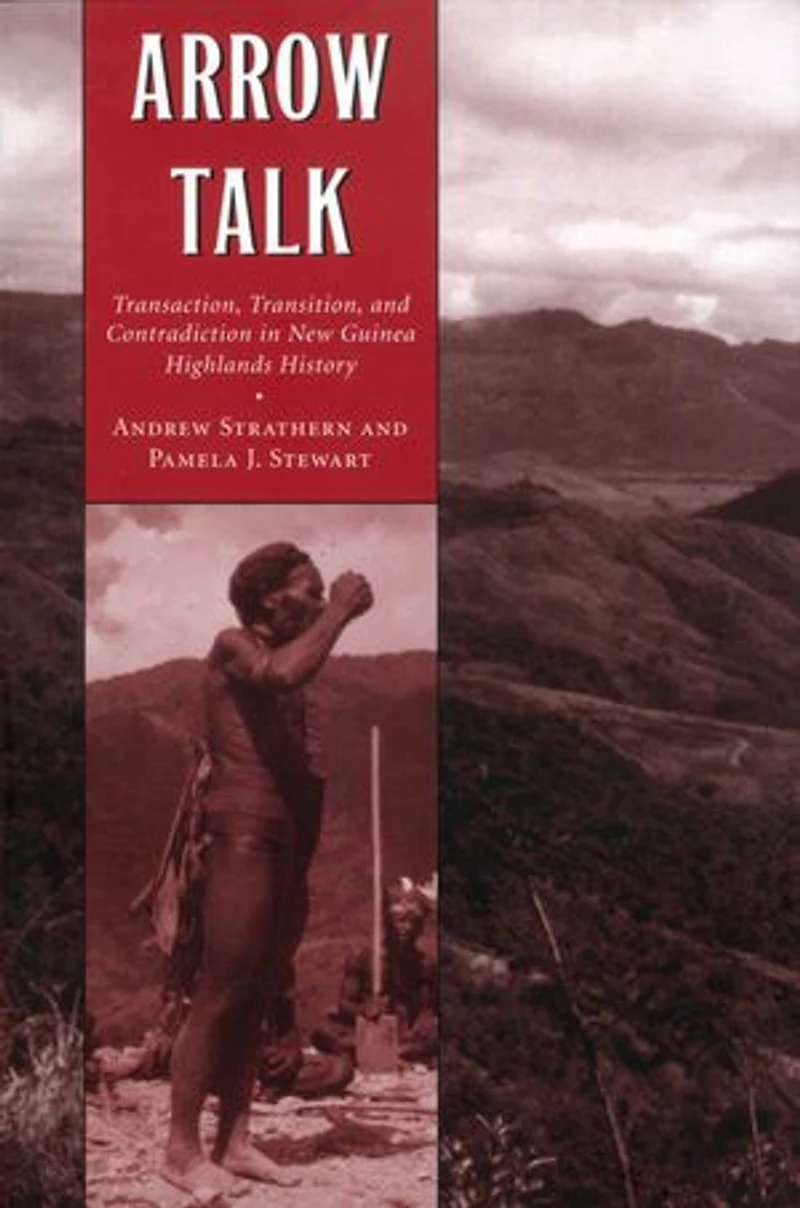
Arrow Talk: Transaction, Transition, and Contradiction in New Guinea Highlands History
Current price: $21.79
Original price: $27.13

Arrow Talk: Transaction, Transition, and Contradiction in New Guinea Highlands History
Current price: $21.79
Original price: $27.13
Loading Inventory...
Size: Kobo eBook
*Product information may vary - to confirm product availability, pricing, shipping and return information please contact Indigo
Arrow Talk makes a significant contribution to the understanding of Melanesian culture and contemporary sociopolitical issues in Papua New Guinea. In a post modern era in which culture has been dismissed by many anthropologists as a reification, this book makes a cogent argument for cultural holism by showing how symbolic, psychological, religious and linguistic factors have combined to shape Melpa responses to the political and economic crises they have had to face in the waning years of the millennium. This analysis also contributes notably to the development of anthropological perspectives on colonial and post colonial historical processes. Since the Melpa face many of the same challenges as other “modernizing” people in the Pacific and elsewhere, Strathern and Stewart’s insight are valuable for scholars working on similar problems in a variety of ethnographic regions.
Arrow Talk makes a significant contribution to the understanding of Melanesian culture and contemporary sociopolitical issues in Papua New Guinea. In a post modern era in which culture has been dismissed by many anthropologists as a reification, this book makes a cogent argument for cultural holism by showing how symbolic, psychological, religious and linguistic factors have combined to shape Melpa responses to the political and economic crises they have had to face in the waning years of the millennium. This analysis also contributes notably to the development of anthropological perspectives on colonial and post colonial historical processes. Since the Melpa face many of the same challenges as other “modernizing” people in the Pacific and elsewhere, Strathern and Stewart’s insight are valuable for scholars working on similar problems in a variety of ethnographic regions.
You May Also Like









More About Indigo at Erin Mills Town Centre
The largest book retailer in Canada also offers toys, music, home décor, gifts and lifestyle products. What's Inside...Books, Magazines, CD’s and DVD’s, Toys and Gifts, Home Accents, Electronics, Baby’s and Children’s Section, Bath and Body, Kitchen and Bedroom, Stationary Located outside in the exterior plaza.
5015 Glen Erin Dr, Mississauga, ON L5M 0R7, Canada
Find Indigo at Erin Mills Town Centre in Mississauga ON
Visit Indigo at Erin Mills Town Centre in Mississauga ON