

GIVE THE PERFECT GIFT
Erin Mills Town Centre Gift Cards are the perfect choice for your gift giving needs.Purchase gift cards at kiosks near the food court or centre court, at Guest Services, or click below to purchase online.PURCHASE HEREHome
Art and citizenship conflict: British women war artists, 1939–45
Indigo
Loading Inventory...
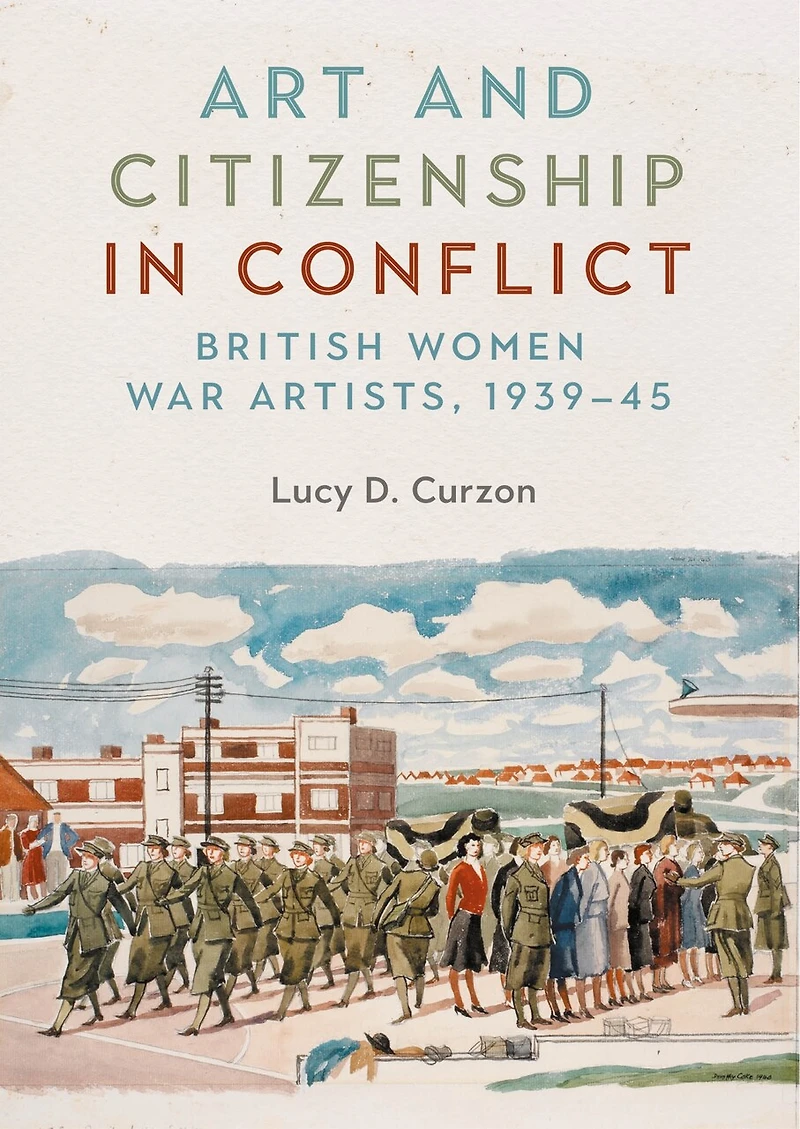
Art and citizenship conflict: British women war artists, 1939–45
Current price: $170.00

Art and citizenship conflict: British women war artists, 1939–45
Current price: $170.00
Loading Inventory...
Size: Hardcover
*Product information may vary - to confirm product availability, pricing, shipping and return information please contact Indigo
Art and Citizenship in Conflict examines the work of women war artists in order to highlight the complexity of citizenship and gender in Britain during the Second World War. Evelyn Dunbar, Mary Kessell, Ethel Gabain, Stella Schmolle, and Laura Knight, among others, were commissioned by the War Artists’ Advisory Committee (WAAC) to document the millions of women who took up sometimes unconventional roles—in agriculture, the auxiliary services, and manufacturing, among others—to support the British war effort. Indeed, their prints, drawings, and paintings were part of a broader scheme to uphold morale and promote much-needed citizen involvement on the home front. While there is growing interest, the importance of their remit in the history of the Second World War and the quality of their artistry have nonetheless not yet secured them a significant place in scholarship. Art and Citizenship in Conflict seeks to amend this gap.
Art and Citizenship in Conflict examines the work of women war artists in order to highlight the complexity of citizenship and gender in Britain during the Second World War. Evelyn Dunbar, Mary Kessell, Ethel Gabain, Stella Schmolle, and Laura Knight, among others, were commissioned by the War Artists’ Advisory Committee (WAAC) to document the millions of women who took up sometimes unconventional roles—in agriculture, the auxiliary services, and manufacturing, among others—to support the British war effort. Indeed, their prints, drawings, and paintings were part of a broader scheme to uphold morale and promote much-needed citizen involvement on the home front. While there is growing interest, the importance of their remit in the history of the Second World War and the quality of their artistry have nonetheless not yet secured them a significant place in scholarship. Art and Citizenship in Conflict seeks to amend this gap.
You May Also Like







More About Indigo at Erin Mills Town Centre
The largest book retailer in Canada also offers toys, music, home décor, gifts and lifestyle products. What's Inside...Books, Magazines, CD’s and DVD’s, Toys and Gifts, Home Accents, Electronics, Baby’s and Children’s Section, Bath and Body, Kitchen and Bedroom, Stationary Located outside in the exterior plaza.
5015 Glen Erin Dr, Mississauga, ON L5M 0R7, Canada
Find Indigo at Erin Mills Town Centre in Mississauga ON
Visit Indigo at Erin Mills Town Centre in Mississauga ON