

GIVE THE PERFECT GIFT
Erin Mills Town Centre Gift Cards are the perfect choice for your gift giving needs.Purchase gift cards at kiosks near the food court or centre court, at Guest Services, or click below to purchase online.PURCHASE HEREHome
Art and Reality: John Anderson on Literature and Aesthetics
Indigo
Loading Inventory...
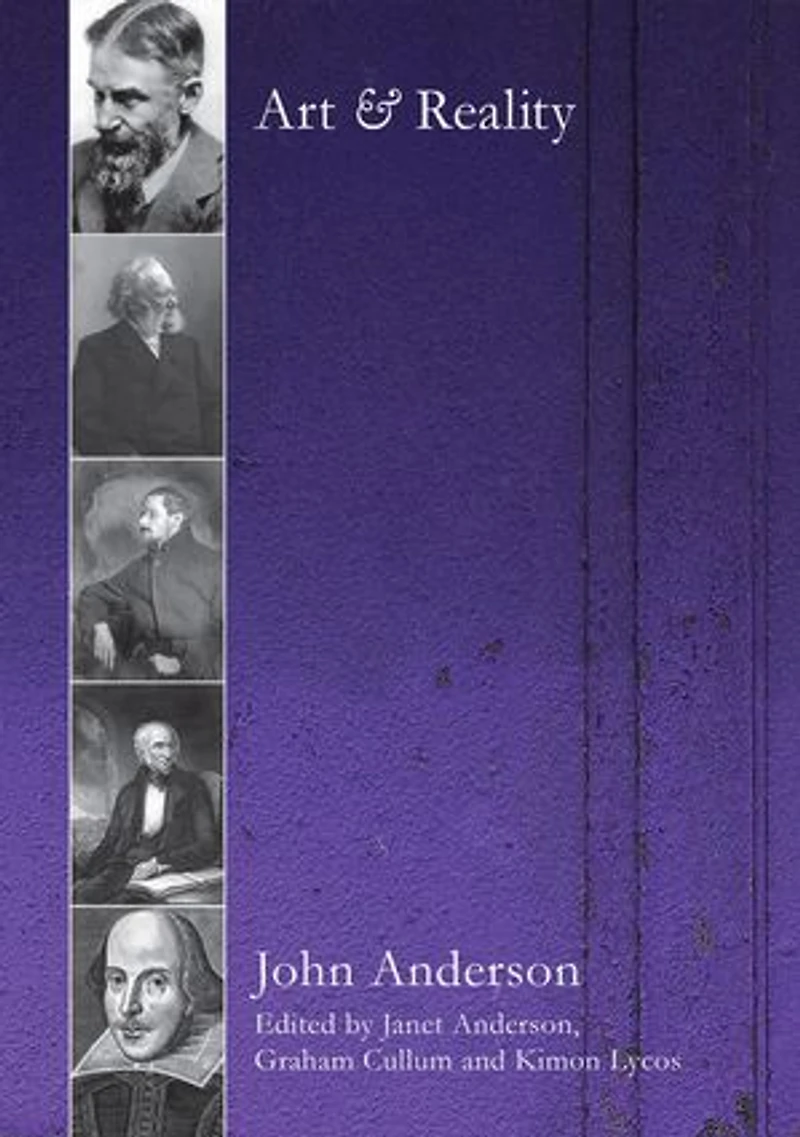
Art and Reality: John Anderson on Literature and Aesthetics
Current price: $15.99
Original price: $19.99

Art and Reality: John Anderson on Literature and Aesthetics
Current price: $15.99
Original price: $19.99
Loading Inventory...
Size: Kobo eBook
*Product information may vary - to confirm product availability, pricing, shipping and return information please contact Indigo
Art and Reality is a collection of general theoretical reflections and particular critical studies, in which John Anderson asserts the essential role of art and aesthetics in intellectual life.
Rejecting the notion that artistic appreciation is simply a matter of spontaneous response or 'personal taste', Anderson argues that genuine criticism requires the application of general aesthetic principles and an awareness of the relationship between art and nature. In exploring how beauty is experienced and defined, he considers a wide range of authors, from Homer to Joyce, Melville to Dostoevsky, Shakespeare to Shaw. He outlines his underlying theory of aesthetics and offers commentary on some key controversies of his day, including psychoanalytic criticism, the Ern Malley hoax, and the censorship of Ulysses in Australia.
With characteristic rigor and originality, Anderson proposes a philosophical way of approaching works of art, one which can lead us to a more meaningful and thoughtful engagement with literature.
Art and Reality is a collection of general theoretical reflections and particular critical studies, in which John Anderson asserts the essential role of art and aesthetics in intellectual life.
Rejecting the notion that artistic appreciation is simply a matter of spontaneous response or 'personal taste', Anderson argues that genuine criticism requires the application of general aesthetic principles and an awareness of the relationship between art and nature. In exploring how beauty is experienced and defined, he considers a wide range of authors, from Homer to Joyce, Melville to Dostoevsky, Shakespeare to Shaw. He outlines his underlying theory of aesthetics and offers commentary on some key controversies of his day, including psychoanalytic criticism, the Ern Malley hoax, and the censorship of Ulysses in Australia.
With characteristic rigor and originality, Anderson proposes a philosophical way of approaching works of art, one which can lead us to a more meaningful and thoughtful engagement with literature.
You May Also Like







More About Indigo at Erin Mills Town Centre
The largest book retailer in Canada also offers toys, music, home décor, gifts and lifestyle products. What's Inside...Books, Magazines, CD’s and DVD’s, Toys and Gifts, Home Accents, Electronics, Baby’s and Children’s Section, Bath and Body, Kitchen and Bedroom, Stationary Located outside in the exterior plaza.
5015 Glen Erin Dr, Mississauga, ON L5M 0R7, Canada
Find Indigo at Erin Mills Town Centre in Mississauga ON
Visit Indigo at Erin Mills Town Centre in Mississauga ON