

GIVE THE PERFECT GIFT
Erin Mills Town Centre Gift Cards are the perfect choice for your gift giving needs.Purchase gift cards at kiosks near the food court or centre court, at Guest Services, or click below to purchase online.PURCHASE HEREHome
Art beyond Borders: Artistic Exchange Communist Europe (1945-1989)
Indigo
Loading Inventory...
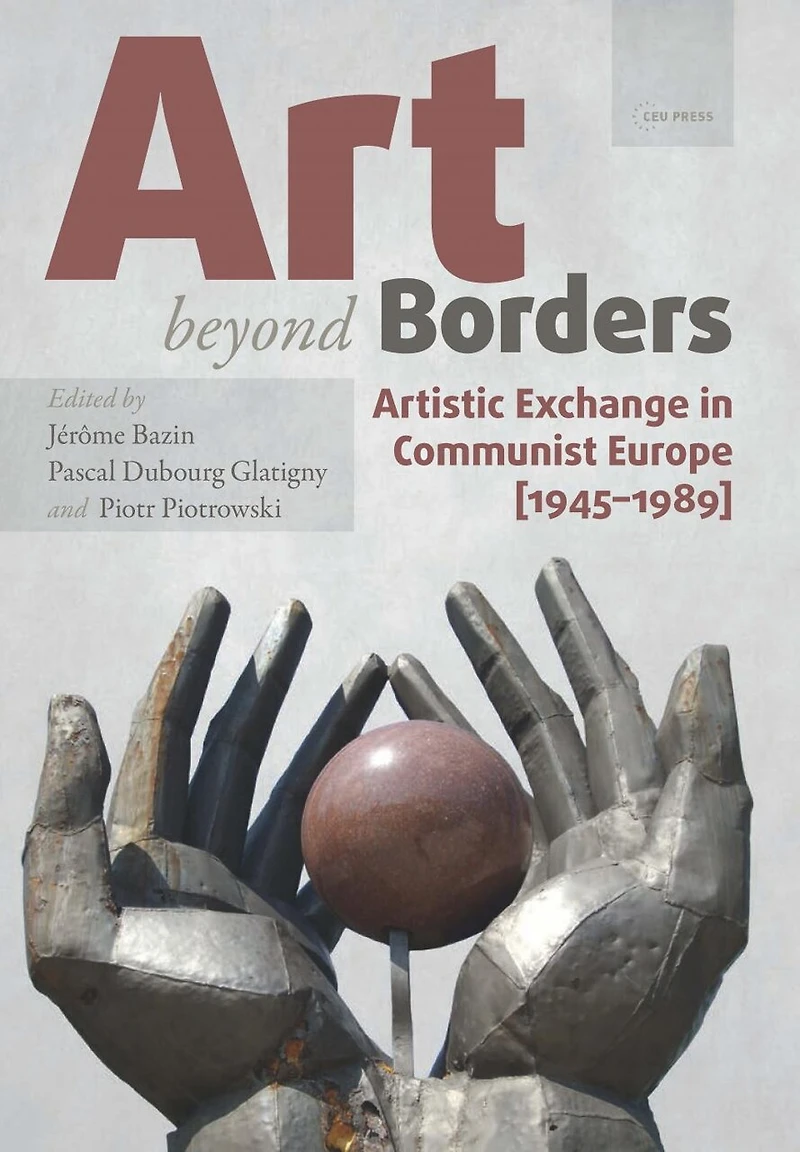
Art beyond Borders: Artistic Exchange Communist Europe (1945-1989)
Current price: $262.95

Art beyond Borders: Artistic Exchange Communist Europe (1945-1989)
Current price: $262.95
Loading Inventory...
Size: Hardcover
*Product information may vary - to confirm product availability, pricing, shipping and return information please contact Indigo
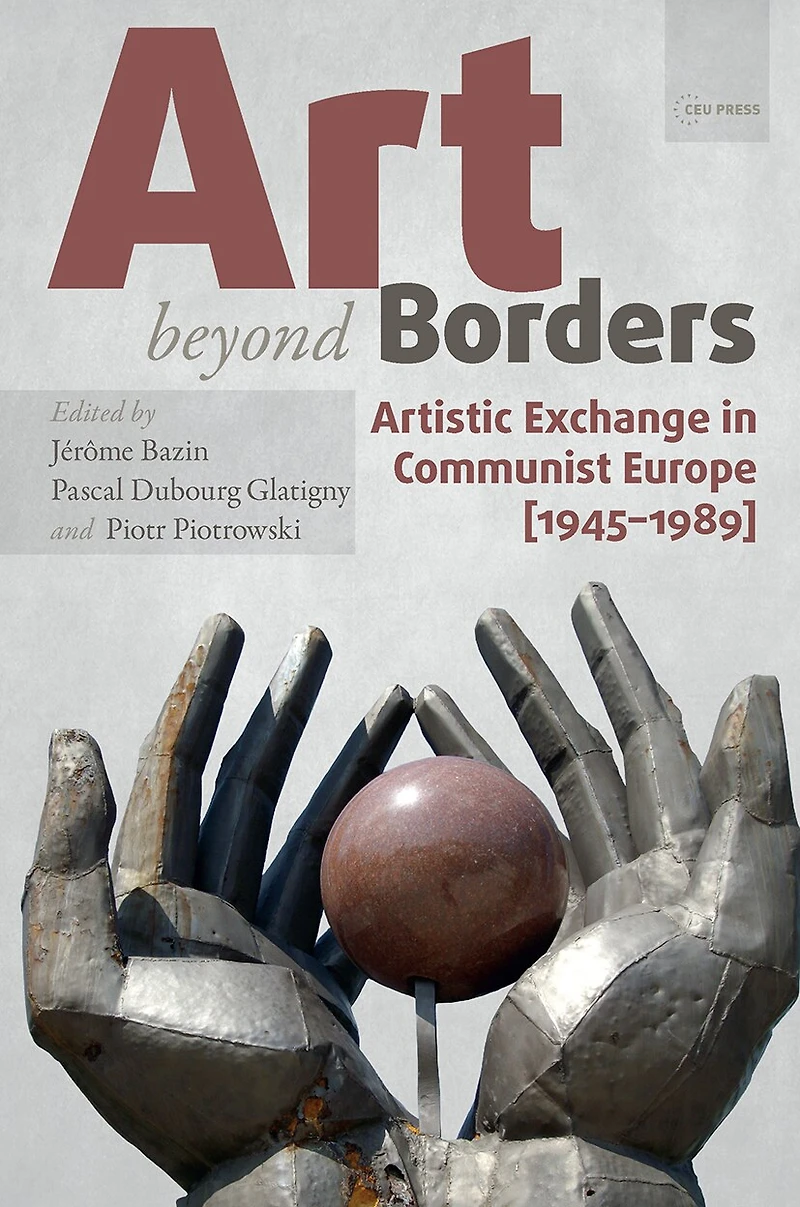
This book presents and analyzes artistic interactions both within the Soviet bloc and with the West between 1945 and 1989. During the Cold War the exchange of artistic ideas and products united Europe's avant-garde in a most remarkable way. Despite the Iron Curtain and national and political borders there existed a constant flow of artists, artworks, artistic ideas and practices. The geographic borders of these exchanges have yet to be clearly defined. How were networks, centers, peripheries (local, national and international), scales, and distances constructed? How did (neo)avant-garde tendencies relate with officially sanctioned socialist realism?
The literature on the art of Eastern Europe provides a great deal of factual knowledge about a vast cultural space, but mostly through the prism of stereotypes and national preoccupations. By discussing artworks, studying the writings on art, observing artistic evolution and artists' strategies, as well as the influence of political authorities, art dealers and art critics, the essays in Art beyond Borders compose a transnational history of arts in the Soviet satellite countries in the post war period.
This book presents and analyzes artistic interactions both within the Soviet bloc and with the West between 1945 and 1989. During the Cold War the exchange of artistic ideas and products united Europe's avant-garde in a most remarkable way. Despite the Iron Curtain and national and political borders there existed a constant flow of artists, artworks, artistic ideas and practices. The geographic borders of these exchanges have yet to be clearly defined. How were networks, centers, peripheries (local, national and international), scales, and distances constructed? How did (neo)avant-garde tendencies relate with officially sanctioned socialist realism?
The literature on the art of Eastern Europe provides a great deal of factual knowledge about a vast cultural space, but mostly through the prism of stereotypes and national preoccupations. By discussing artworks, studying the writings on art, observing artistic evolution and artists' strategies, as well as the influence of political authorities, art dealers and art critics, the essays in Art beyond Borders compose a transnational history of arts in the Soviet satellite countries in the post war period.
You May Also Like












More About Indigo at Erin Mills Town Centre
The largest book retailer in Canada also offers toys, music, home décor, gifts and lifestyle products. What's Inside...Books, Magazines, CD’s and DVD’s, Toys and Gifts, Home Accents, Electronics, Baby’s and Children’s Section, Bath and Body, Kitchen and Bedroom, Stationary Located outside in the exterior plaza.
5015 Glen Erin Dr, Mississauga, ON L5M 0R7, Canada
Find Indigo at Erin Mills Town Centre in Mississauga ON
Visit Indigo at Erin Mills Town Centre in Mississauga ON