

GIVE THE PERFECT GIFT
Erin Mills Town Centre Gift Cards are the perfect choice for your gift giving needs.Purchase gift cards at kiosks near the food court or centre court, at Guest Services, or click below to purchase online.PURCHASE HEREHome
Art Botany British Design Reform, 1835-1865
Indigo
Loading Inventory...
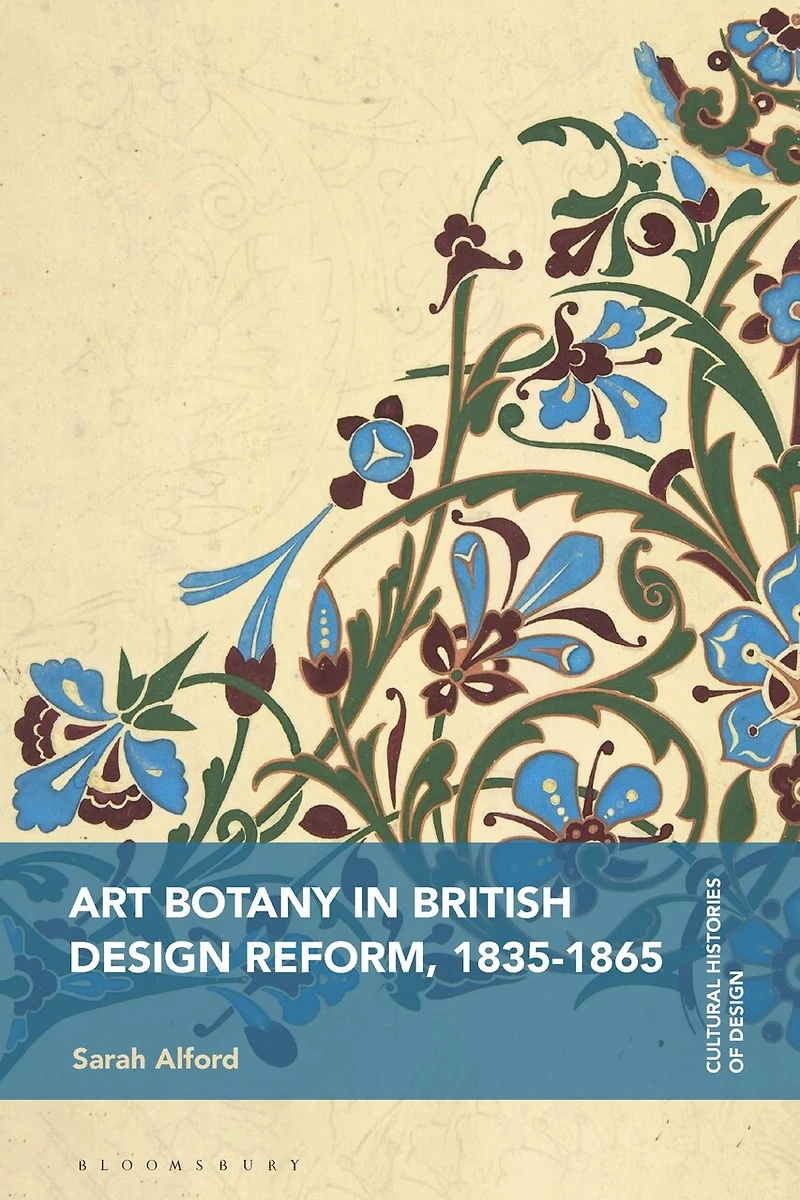
Art Botany British Design Reform, 1835-1865
Current price: $167.95

Art Botany British Design Reform, 1835-1865
Current price: $167.95
Loading Inventory...
Size: Hardcover
*Product information may vary - to confirm product availability, pricing, shipping and return information please contact Indigo
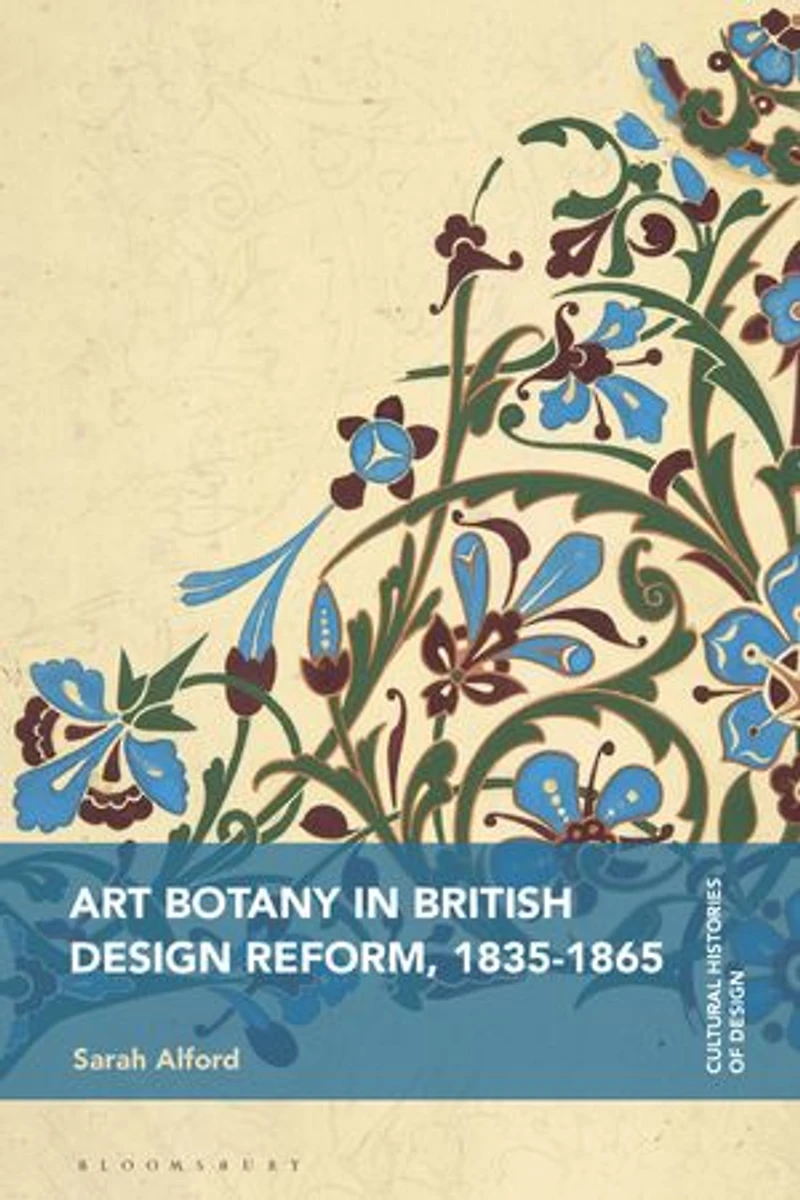
Drawing on the fields of design history and the history of science, this book examines the important role that botanical science played in the emergence of Victorian design theory. In early 19th-century Britain, a rapid influx of plants from other countries began to confuse the orders of classification. As these new specimens arrived in nurseries and conservatories, botanists revised and promoted a new taxonomy: the Natural System. In parallel, in 1835, British manufacturers faced a government inquiry in order to improve the output of the British design industry. They needed a nationally identifiable design aesthetic and the inquiry led to the creation of the Government Schools of Design and the Design Reform movement. This book explores how, whilst botanists used drawings to clarify new systems of plant classification, designers learnt 'art botany', the practice of basing decorative form and ornament on the hidden, natural laws that govern plant growth and structure. Design reformers used botany as a model for how to create and identify what is new and incorporate it into what was already familiar and meaningful, all within the purview of developing a professional field of practice. Sarah Alford provides a rich, interdisciplinary study of how the fields of design and botanical science came together. Through a framework of material culture, Alford sheds new light on the work of leading botanists, designers and illustrators such as Sarah Drake, John Lindley, Richard Redgrave, Owen Jones and Christopher Dresser. This book reveals how the designation of what design reformers deemed appropriate for the surface decoration of material structures as varied as carpets, jugs, wallpaper, and furniture, was an embrace of botanical science as a source of fantasy and imagination.
Drawing on the fields of design history and the history of science, this book examines the important role that botanical science played in the emergence of Victorian design theory. In early 19th-century Britain, a rapid influx of plants from other countries began to confuse the orders of classification. As these new specimens arrived in nurseries and conservatories, botanists revised and promoted a new taxonomy: the Natural System. In parallel, in 1835, British manufacturers faced a government inquiry in order to improve the output of the British design industry. They needed a nationally identifiable design aesthetic and the inquiry led to the creation of the Government Schools of Design and the Design Reform movement. This book explores how, whilst botanists used drawings to clarify new systems of plant classification, designers learnt 'art botany', the practice of basing decorative form and ornament on the hidden, natural laws that govern plant growth and structure. Design reformers used botany as a model for how to create and identify what is new and incorporate it into what was already familiar and meaningful, all within the purview of developing a professional field of practice. Sarah Alford provides a rich, interdisciplinary study of how the fields of design and botanical science came together. Through a framework of material culture, Alford sheds new light on the work of leading botanists, designers and illustrators such as Sarah Drake, John Lindley, Richard Redgrave, Owen Jones and Christopher Dresser. This book reveals how the designation of what design reformers deemed appropriate for the surface decoration of material structures as varied as carpets, jugs, wallpaper, and furniture, was an embrace of botanical science as a source of fantasy and imagination.
You May Also Like














More About Indigo at Erin Mills Town Centre
The largest book retailer in Canada also offers toys, music, home décor, gifts and lifestyle products. What's Inside...Books, Magazines, CD’s and DVD’s, Toys and Gifts, Home Accents, Electronics, Baby’s and Children’s Section, Bath and Body, Kitchen and Bedroom, Stationary Located outside in the exterior plaza.
5015 Glen Erin Dr, Mississauga, ON L5M 0R7, Canada
Find Indigo at Erin Mills Town Centre in Mississauga ON
Visit Indigo at Erin Mills Town Centre in Mississauga ON