

GIVE THE PERFECT GIFT
Erin Mills Town Centre Gift Cards are the perfect choice for your gift giving needs.Purchase gift cards at kiosks near the food court or centre court, at Guest Services, or click below to purchase online.PURCHASE HEREHome
Art Crisis: The Lost Center
Indigo
Loading Inventory...
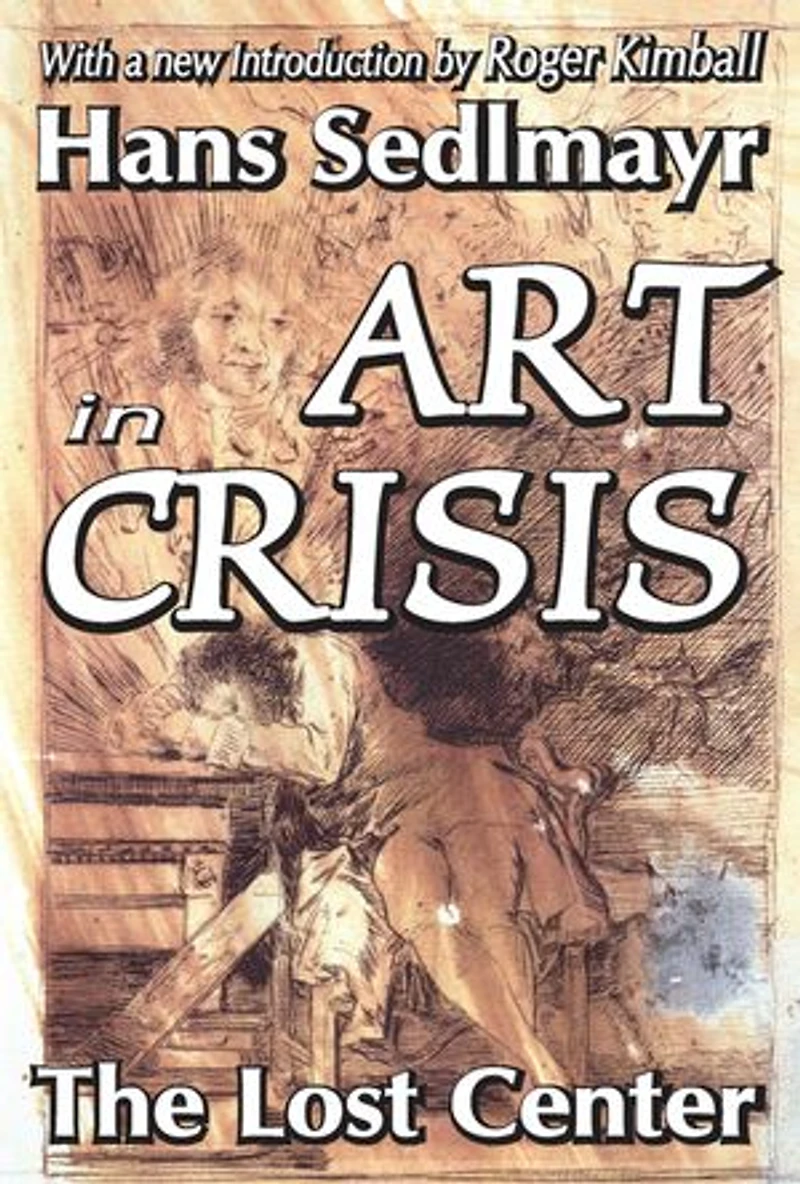
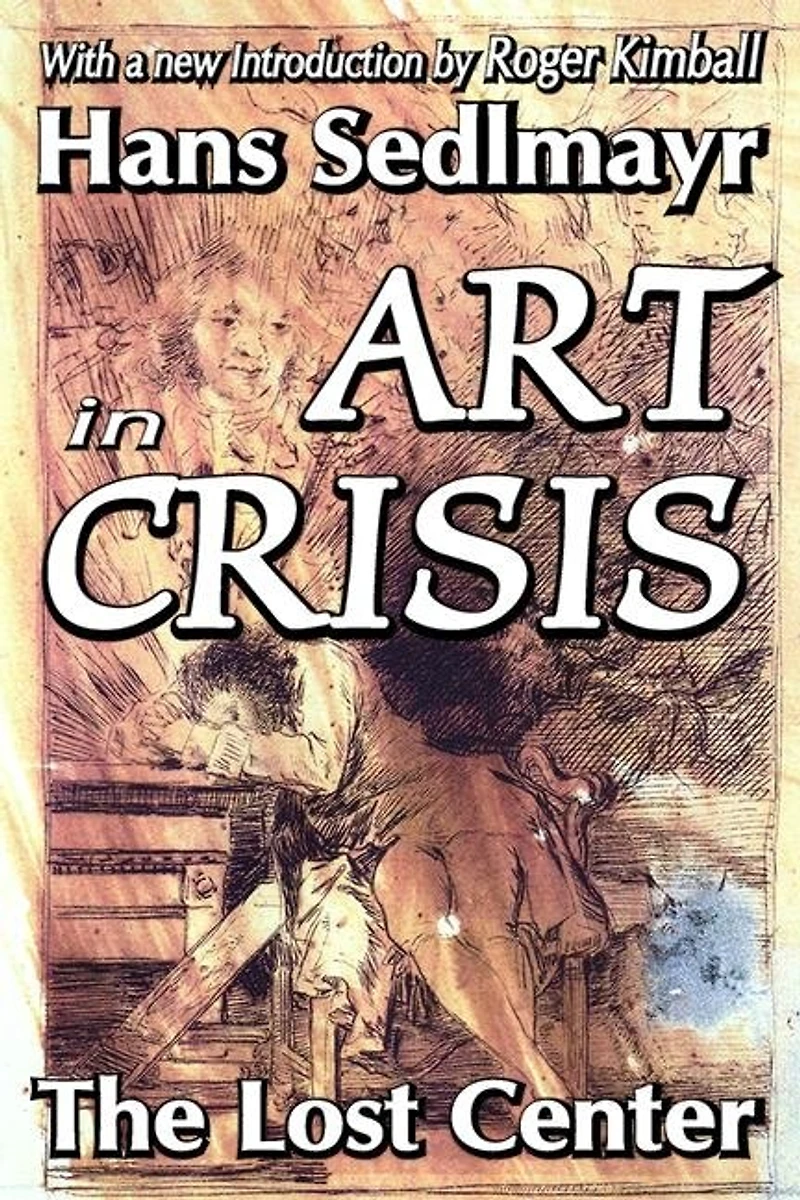
Art Crisis: The Lost Center
Current price: $333.50

Art Crisis: The Lost Center
Current price: $333.50
Loading Inventory...
Size: Hardcover
*Product information may vary - to confirm product availability, pricing, shipping and return information please contact Indigo
The history of art from the early nineteenth century on- ward is commonly viewed as a succession of conflicts between innovatory and established styles that culminated in the formalism and aesthetic autonomy of high modernism. In Art and Crisis , first published in 1948, Hans Sedlmayr argues that the aesthetic disjunctures of modern art signify more than matters of style and point to much deeper processes of cultural and religious disintegration. As Roger Kimball observes in his informative new introduction, Art in Crisis is as much an exercise in cultural or spiritual analysis as it is a work of art history. Sedlmayr's reads the art of the last two centuries as a fever chart of the modern age in its greatness and its decay. He discusses the advent of Romanticism with its freeing of the imagination as a conscious sundering of art from humanist and religious traditions with the aesthetic treated as a category independent of human need. Looking at the social purposes of architecture, Sedlmayr shows how the landscape garden, the architectural monument, and the industrial exhibition testified to a new relationship not only between man and his handiwork but also between man and the forces that transcend him. In these institutions man deifies his inventive powers with which he hopes to master and supersede nature. Likewise, the art museum denies transcendence through a cultural leveling in which "Heracles and Christ become brothers" as objects of aesthetic contemplation. At the center of Art in Crisis is the insight that, in art as in life, the pursuit of unqualified autonomy is in the end a prescription for disaster, aesthetic as well as existential. Sedlmayr writes as an Augustinian Catholic. For him, the underlying motive for the pursuit of autonomy is pride. The "lost center" of his subtitle is God. The dream of autonomy, Sedlmayr argues, is for finite, mortal creatures, a dangerous illusion. The book invites serious analysis from art critics and theological thinkers alike.
The history of art from the early nineteenth century on- ward is commonly viewed as a succession of conflicts between innovatory and established styles that culminated in the formalism and aesthetic autonomy of high modernism. In Art and Crisis , first published in 1948, Hans Sedlmayr argues that the aesthetic disjunctures of modern art signify more than matters of style and point to much deeper processes of cultural and religious disintegration. As Roger Kimball observes in his informative new introduction, Art in Crisis is as much an exercise in cultural or spiritual analysis as it is a work of art history. Sedlmayr's reads the art of the last two centuries as a fever chart of the modern age in its greatness and its decay. He discusses the advent of Romanticism with its freeing of the imagination as a conscious sundering of art from humanist and religious traditions with the aesthetic treated as a category independent of human need. Looking at the social purposes of architecture, Sedlmayr shows how the landscape garden, the architectural monument, and the industrial exhibition testified to a new relationship not only between man and his handiwork but also between man and the forces that transcend him. In these institutions man deifies his inventive powers with which he hopes to master and supersede nature. Likewise, the art museum denies transcendence through a cultural leveling in which "Heracles and Christ become brothers" as objects of aesthetic contemplation. At the center of Art in Crisis is the insight that, in art as in life, the pursuit of unqualified autonomy is in the end a prescription for disaster, aesthetic as well as existential. Sedlmayr writes as an Augustinian Catholic. For him, the underlying motive for the pursuit of autonomy is pride. The "lost center" of his subtitle is God. The dream of autonomy, Sedlmayr argues, is for finite, mortal creatures, a dangerous illusion. The book invites serious analysis from art critics and theological thinkers alike.
You May Also Like







More About Indigo at Erin Mills Town Centre
The largest book retailer in Canada also offers toys, music, home décor, gifts and lifestyle products. What's Inside...Books, Magazines, CD’s and DVD’s, Toys and Gifts, Home Accents, Electronics, Baby’s and Children’s Section, Bath and Body, Kitchen and Bedroom, Stationary Located outside in the exterior plaza.
5015 Glen Erin Dr, Mississauga, ON L5M 0R7, Canada
Find Indigo at Erin Mills Town Centre in Mississauga ON
Visit Indigo at Erin Mills Town Centre in Mississauga ON