

GIVE THE PERFECT GIFT
Erin Mills Town Centre Gift Cards are the perfect choice for your gift giving needs.Purchase gift cards at kiosks near the food court or centre court, at Guest Services, or click below to purchase online.PURCHASE HEREHome
Artificial Intelligence Textile Engineering: Basic Concepts and Applications
Indigo
Loading Inventory...
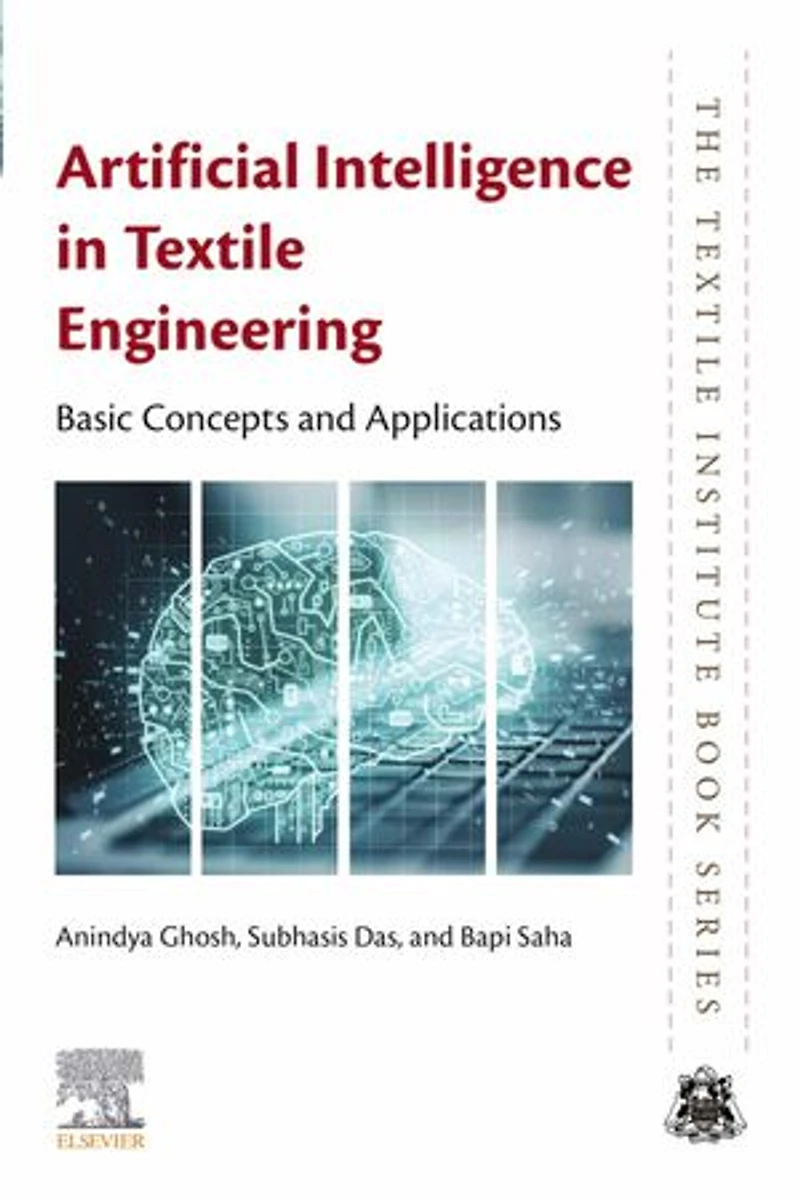
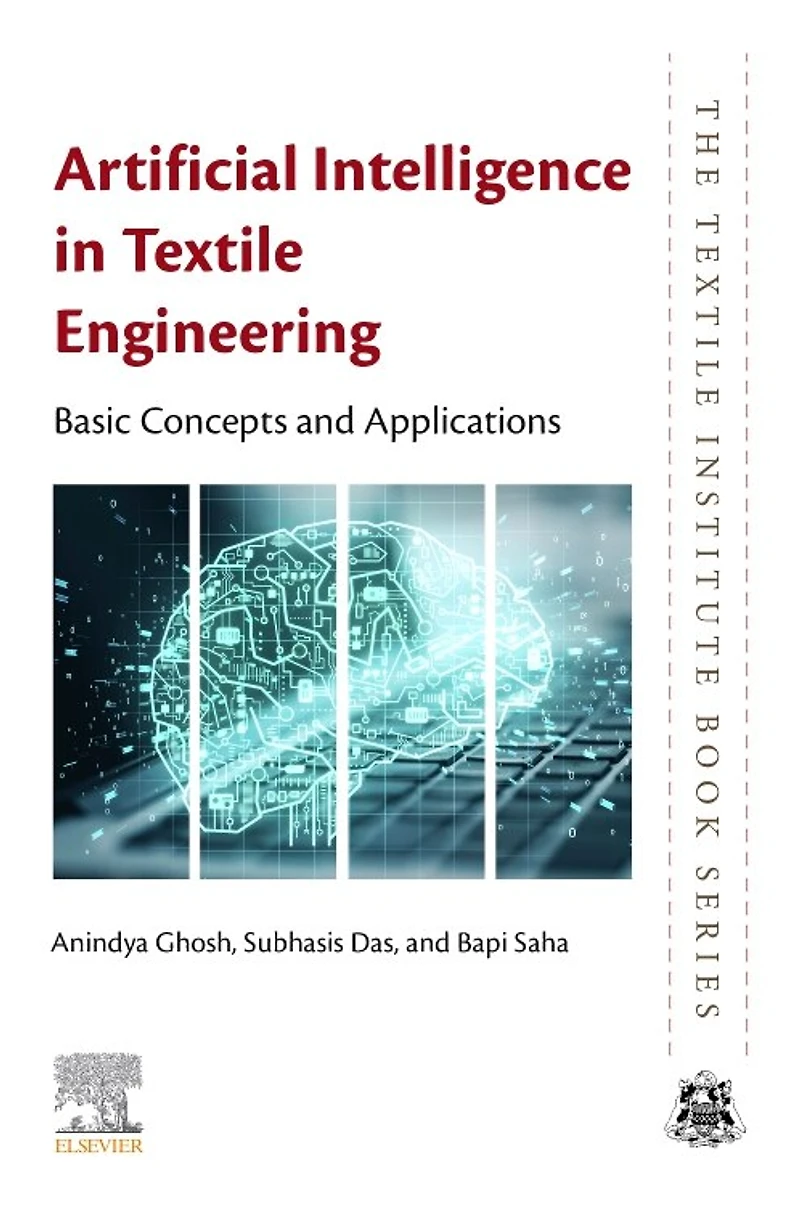
Artificial Intelligence Textile Engineering: Basic Concepts and Applications
Current price: $185.59
Original price: $232.00

Artificial Intelligence Textile Engineering: Basic Concepts and Applications
Current price: $185.59
Original price: $232.00
Loading Inventory...
Size: Kobo eBook
*Product information may vary - to confirm product availability, pricing, shipping and return information please contact Indigo
Artificial Intelligence in Textile Engineering: Basic Concepts and Applications explains techniques from first principles in the perfect way for textiles materials scientists and engineers. The book discusses how the technology has caused a substantial impact across the textiles supply chain, making products more efficient, flexible, and reliable. Techniques such as artificial neural network, support vector machine, fuzzy logic, rough set, evolutionary algorithm, and hybrid intelligence systems are described with application to textiles. Readers are supported throughout with step-by-step mathematical derivations of AI techniques, case studies, and MATLAB codes, giving readers from different backgrounds the perfect entry to AI solutions.
Includes MATLAB® codes for solving various artificial intelligence techniques
Provides case studies, practical examples of textile engineering problems and self-study problems in each chapter
Presents step-by-step mathematical derivations of artificial intelligence techniques throughout
Artificial Intelligence in Textile Engineering: Basic Concepts and Applications explains techniques from first principles in the perfect way for textiles materials scientists and engineers. The book discusses how the technology has caused a substantial impact across the textiles supply chain, making products more efficient, flexible, and reliable. Techniques such as artificial neural network, support vector machine, fuzzy logic, rough set, evolutionary algorithm, and hybrid intelligence systems are described with application to textiles. Readers are supported throughout with step-by-step mathematical derivations of AI techniques, case studies, and MATLAB codes, giving readers from different backgrounds the perfect entry to AI solutions.
Includes MATLAB® codes for solving various artificial intelligence techniques
Provides case studies, practical examples of textile engineering problems and self-study problems in each chapter
Presents step-by-step mathematical derivations of artificial intelligence techniques throughout
You May Also Like








More About Indigo at Erin Mills Town Centre
The largest book retailer in Canada also offers toys, music, home décor, gifts and lifestyle products. What's Inside...Books, Magazines, CD’s and DVD’s, Toys and Gifts, Home Accents, Electronics, Baby’s and Children’s Section, Bath and Body, Kitchen and Bedroom, Stationary Located outside in the exterior plaza.
5015 Glen Erin Dr, Mississauga, ON L5M 0R7, Canada
Find Indigo at Erin Mills Town Centre in Mississauga ON
Visit Indigo at Erin Mills Town Centre in Mississauga ON