

GIVE THE PERFECT GIFT
Erin Mills Town Centre Gift Cards are the perfect choice for your gift giving needs.Purchase gift cards at kiosks near the food court or centre court, at Guest Services, or click below to purchase online.PURCHASE HEREHome
Artificial Intelligent Methods for Handling Spatial Data: Fuzzy Rulebase Systems and Gridded Data Problems
Indigo
Loading Inventory...
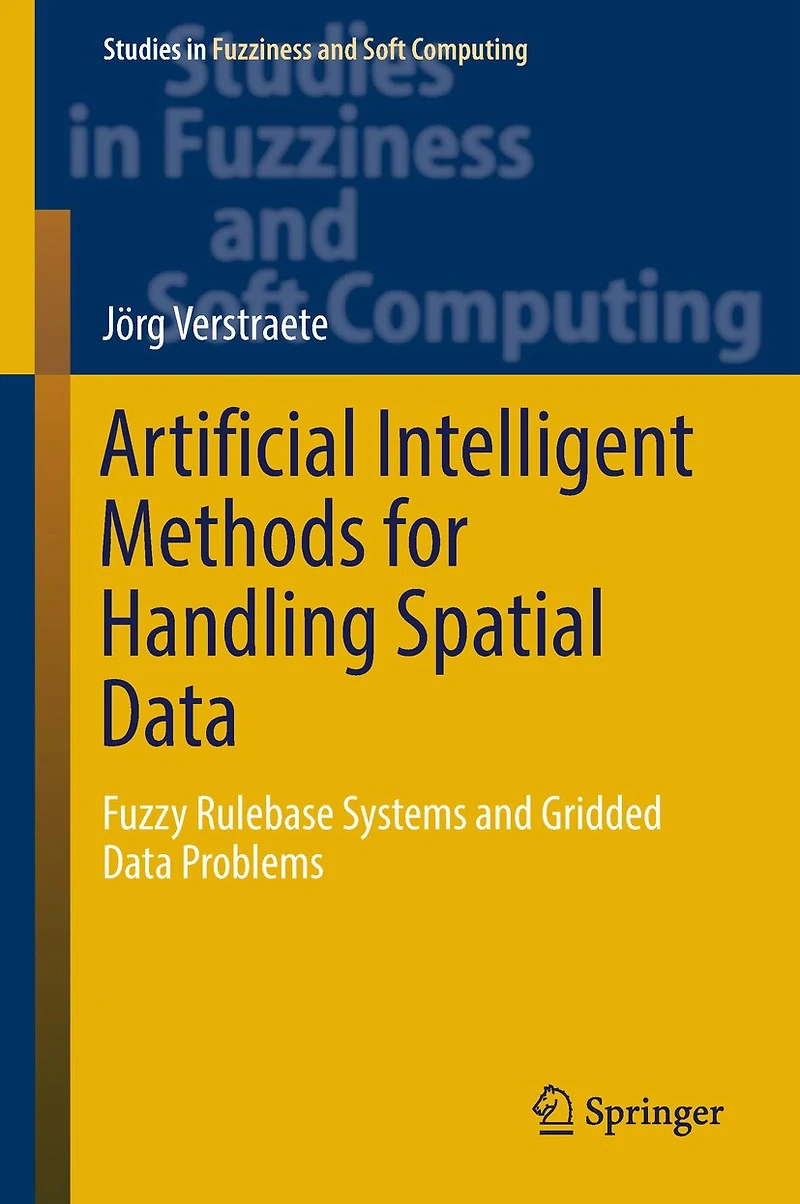

Artificial Intelligent Methods for Handling Spatial Data: Fuzzy Rulebase Systems and Gridded Data Problems
Current price: $160.95

Artificial Intelligent Methods for Handling Spatial Data: Fuzzy Rulebase Systems and Gridded Data Problems
Current price: $160.95
Loading Inventory...
Size: Hardcover
*Product information may vary - to confirm product availability, pricing, shipping and return information please contact Indigo
This book provides readers with an insight into the development of a novel method for regridding gridded spatial data, an operation required to perform the map overlay operation and apply map algebra when processing spatial data. It introduces the necessary concepts from spatial data processing and fuzzy rulebase systems and describes the issues experienced when using current regridding algorithms. The main focus of the book is on describing the different modifications needed to make the problem compatible with fuzzy rulebases. It offers a number of examples of out-of-the box thinking to handle aspects such as rulebase construction, defuzzification, spatial data comparison, etc. At first, the emphasis is put on the newly developed method, and additional datasets containing information on the underlying spatial distribution of the data are identified. After this, an artificial intelligent system (in the form of a fuzzy inference system) is constructed using this knowledge and then applied on the input data to perform the regridding. The book offers an example of how an apparently simple problem can pose many different challenges, even when trying to solve it with existing soft computing technologies. The workflow and solutions to solve these challenges are universal and may therefore be broadly applied into other contexts.
This book provides readers with an insight into the development of a novel method for regridding gridded spatial data, an operation required to perform the map overlay operation and apply map algebra when processing spatial data. It introduces the necessary concepts from spatial data processing and fuzzy rulebase systems and describes the issues experienced when using current regridding algorithms. The main focus of the book is on describing the different modifications needed to make the problem compatible with fuzzy rulebases. It offers a number of examples of out-of-the box thinking to handle aspects such as rulebase construction, defuzzification, spatial data comparison, etc. At first, the emphasis is put on the newly developed method, and additional datasets containing information on the underlying spatial distribution of the data are identified. After this, an artificial intelligent system (in the form of a fuzzy inference system) is constructed using this knowledge and then applied on the input data to perform the regridding. The book offers an example of how an apparently simple problem can pose many different challenges, even when trying to solve it with existing soft computing technologies. The workflow and solutions to solve these challenges are universal and may therefore be broadly applied into other contexts.
You May Also Like


















More About Indigo at Erin Mills Town Centre
The largest book retailer in Canada also offers toys, music, home décor, gifts and lifestyle products. What's Inside...Books, Magazines, CD’s and DVD’s, Toys and Gifts, Home Accents, Electronics, Baby’s and Children’s Section, Bath and Body, Kitchen and Bedroom, Stationary Located outside in the exterior plaza.
5015 Glen Erin Dr, Mississauga, ON L5M 0R7, Canada
Find Indigo at Erin Mills Town Centre in Mississauga ON
Visit Indigo at Erin Mills Town Centre in Mississauga ON