

GIVE THE PERFECT GIFT
Erin Mills Town Centre Gift Cards are the perfect choice for your gift giving needs.Purchase gift cards at kiosks near the food court or centre court, at Guest Services, or click below to purchase online.PURCHASE HEREHome
Artifictional Intelligence: Against Humanity's Surrender to Computers
Indigo
Loading Inventory...
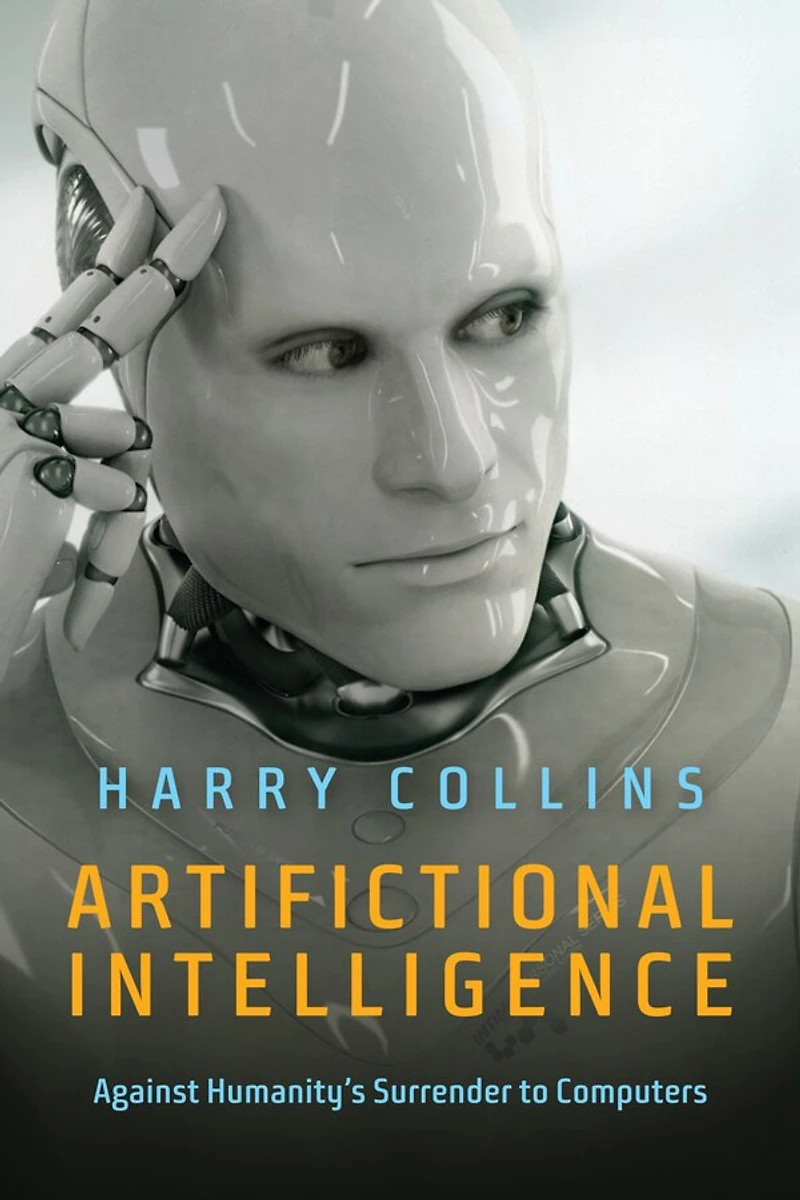
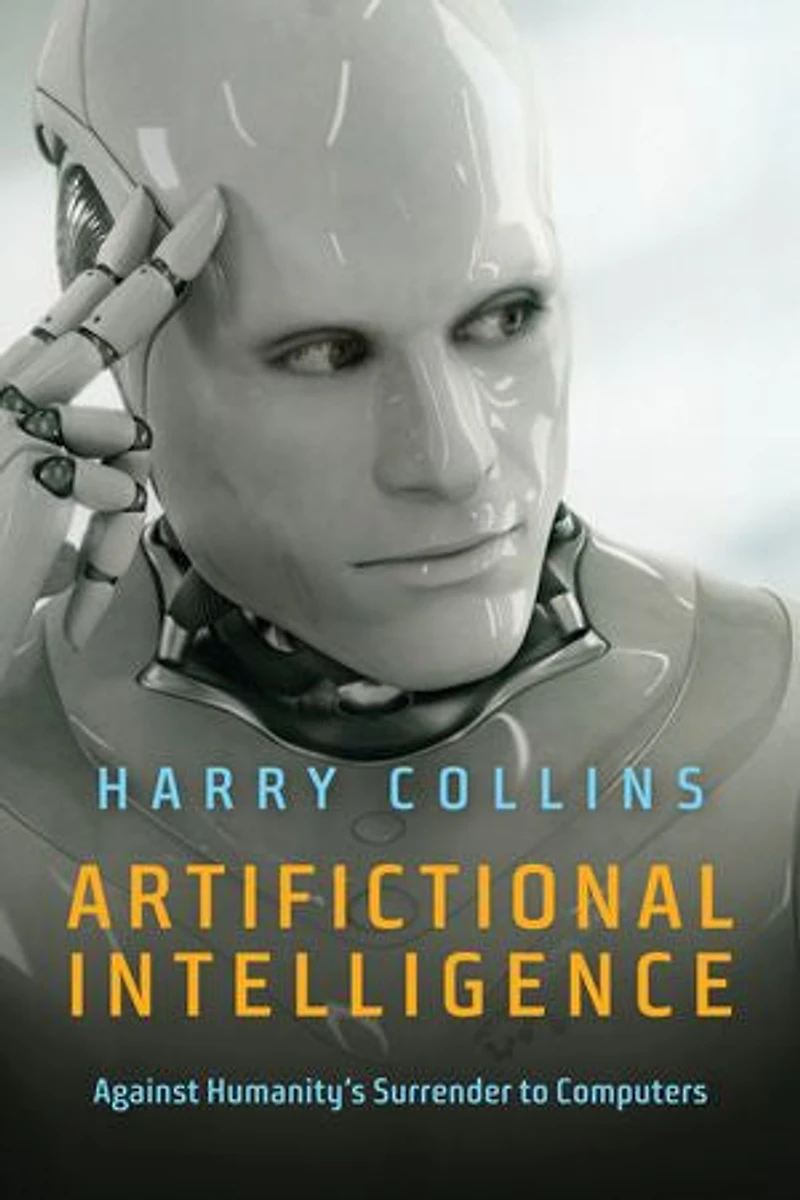
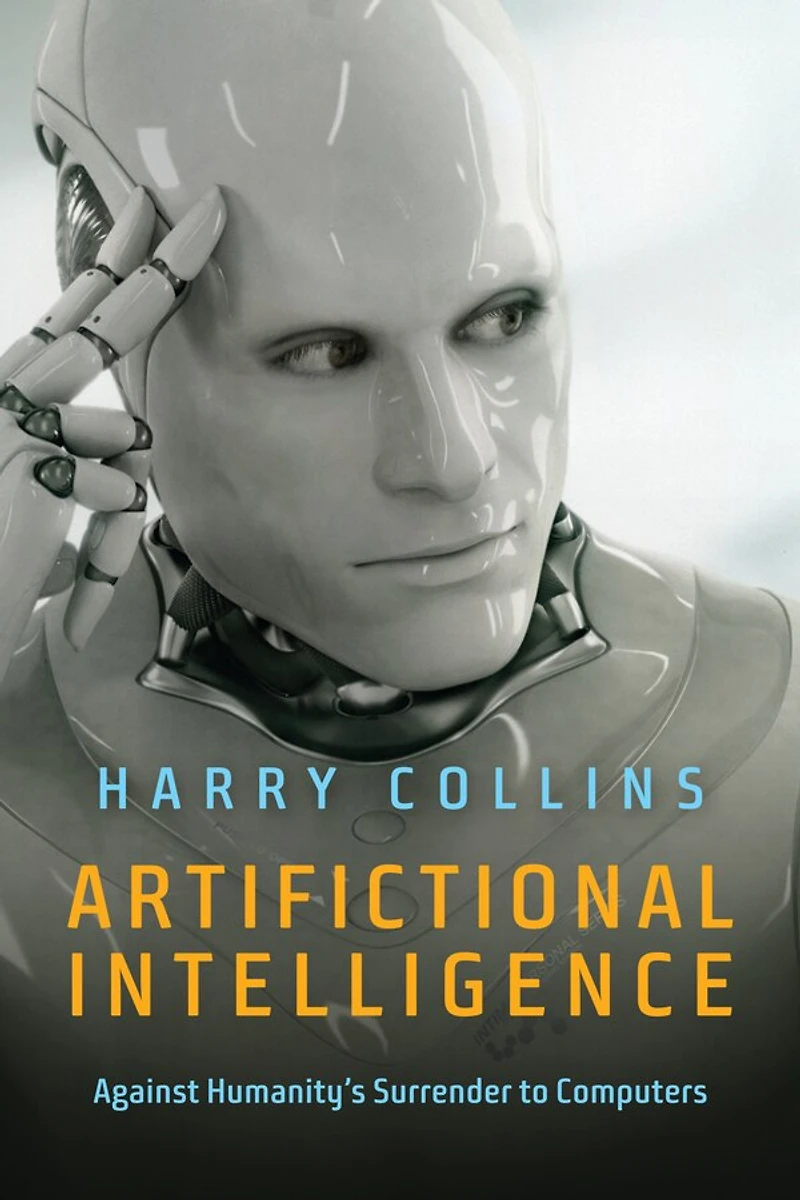
Artifictional Intelligence: Against Humanity's Surrender to Computers
Current price: $99.50

Artifictional Intelligence: Against Humanity's Surrender to Computers
Current price: $99.50
Loading Inventory...
Size: Hardcover
*Product information may vary - to confirm product availability, pricing, shipping and return information please contact Indigo
Recent startling successes in machine intelligence using a technique called ‘deep learning’ seem to blur the line between human and machine as never before. Are computers on the cusp of becoming so intelligent that they will render humans obsolete? Harry Collins argues we are getting ahead of ourselves, caught up in images of a fantastical future dreamt up in fictional portrayals. The greater present danger is that we lose sight of the very real limitations of artificial intelligence and readily enslave ourselves to stupid computers: the ‘Surrender’.
By dissecting the intricacies of language use and meaning, Collins shows how far we have to go before we cannot distinguish between the social understanding of humans and computers. When the stakes are so high, we need to set the bar higher: to rethink ‘intelligence’ and recognize its inherent social basis. Only if machine learning succeeds on this count can we congratulate ourselves on having produced artificial intelligence.
Recent startling successes in machine intelligence using a technique called ‘deep learning’ seem to blur the line between human and machine as never before. Are computers on the cusp of becoming so intelligent that they will render humans obsolete? Harry Collins argues we are getting ahead of ourselves, caught up in images of a fantastical future dreamt up in fictional portrayals. The greater present danger is that we lose sight of the very real limitations of artificial intelligence and readily enslave ourselves to stupid computers: the ‘Surrender’.
By dissecting the intricacies of language use and meaning, Collins shows how far we have to go before we cannot distinguish between the social understanding of humans and computers. When the stakes are so high, we need to set the bar higher: to rethink ‘intelligence’ and recognize its inherent social basis. Only if machine learning succeeds on this count can we congratulate ourselves on having produced artificial intelligence.
You May Also Like








More About Indigo at Erin Mills Town Centre
The largest book retailer in Canada also offers toys, music, home décor, gifts and lifestyle products. What's Inside...Books, Magazines, CD’s and DVD’s, Toys and Gifts, Home Accents, Electronics, Baby’s and Children’s Section, Bath and Body, Kitchen and Bedroom, Stationary Located outside in the exterior plaza.
5015 Glen Erin Dr, Mississauga, ON L5M 0R7, Canada
Find Indigo at Erin Mills Town Centre in Mississauga ON
Visit Indigo at Erin Mills Town Centre in Mississauga ON