

GIVE THE PERFECT GIFT
Erin Mills Town Centre Gift Cards are the perfect choice for your gift giving needs.Purchase gift cards at kiosks near the food court or centre court, at Guest Services, or click below to purchase online.PURCHASE HEREHome
Asia Pacific Countries and the US Rebalancing Strategy
Indigo
Loading Inventory...
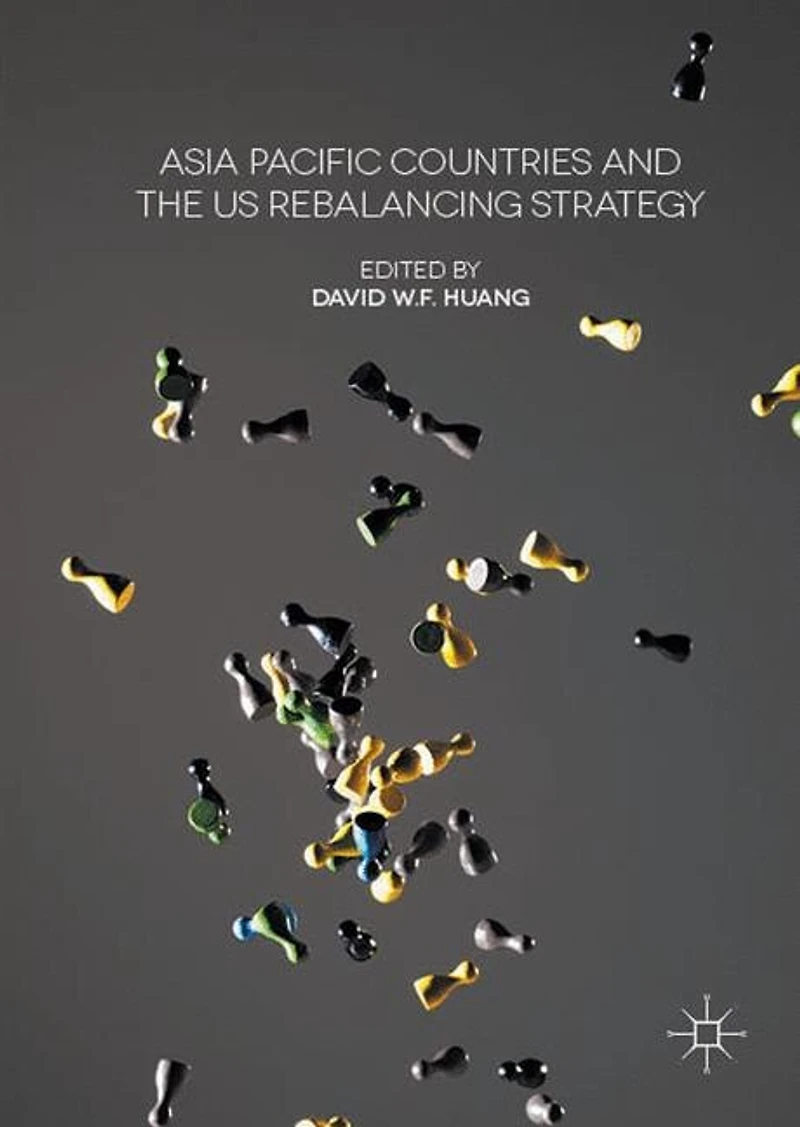
Asia Pacific Countries and the US Rebalancing Strategy
Current price: $160.95

Asia Pacific Countries and the US Rebalancing Strategy
Current price: $160.95
Loading Inventory...
Size: Hardcover
*Product information may vary - to confirm product availability, pricing, shipping and return information please contact Indigo
This book examines the success of the US rebalancing (or pivot) strategy towards Asia, placing the US pivot in a historical context while highlighting its policy content and management dilemmas. Further, the contributors discuss the challenges and opportunities that each regional state confronts in responding to the US rebalancing strategy.
In 2011, President Barack Obama laid out the framework for a strategic pivot of US policy towards the Asia Pacific region. Writers in this volume focus specifically on Asian perception of the strategy. Among the topics they explore are: China's desire to be seen as equal to the US while maintaining foreign policy initiatives independent of the US strategic rebalance; the strengthening of Japan's alliance with the US through its security policies; the use of US-China competition by South Korea to negotiate its influence in the region; and Australia's embrace of the strategy as a result of foreign direct investmentthat provides economic benefits to the country.
This book examines the success of the US rebalancing (or pivot) strategy towards Asia, placing the US pivot in a historical context while highlighting its policy content and management dilemmas. Further, the contributors discuss the challenges and opportunities that each regional state confronts in responding to the US rebalancing strategy.
In 2011, President Barack Obama laid out the framework for a strategic pivot of US policy towards the Asia Pacific region. Writers in this volume focus specifically on Asian perception of the strategy. Among the topics they explore are: China's desire to be seen as equal to the US while maintaining foreign policy initiatives independent of the US strategic rebalance; the strengthening of Japan's alliance with the US through its security policies; the use of US-China competition by South Korea to negotiate its influence in the region; and Australia's embrace of the strategy as a result of foreign direct investmentthat provides economic benefits to the country.
You May Also Like








More About Indigo at Erin Mills Town Centre
The largest book retailer in Canada also offers toys, music, home décor, gifts and lifestyle products. What's Inside...Books, Magazines, CD’s and DVD’s, Toys and Gifts, Home Accents, Electronics, Baby’s and Children’s Section, Bath and Body, Kitchen and Bedroom, Stationary Located outside in the exterior plaza.
5015 Glen Erin Dr, Mississauga, ON L5M 0R7, Canada
Find Indigo at Erin Mills Town Centre in Mississauga ON
Visit Indigo at Erin Mills Town Centre in Mississauga ON