

GIVE THE PERFECT GIFT
Erin Mills Town Centre Gift Cards are the perfect choice for your gift giving needs.Purchase gift cards at kiosks near the food court or centre court, at Guest Services, or click below to purchase online.PURCHASE HEREHome
Asian-Cajun Fusion: Shrimp from the Bay to Bayou
Indigo
Loading Inventory...
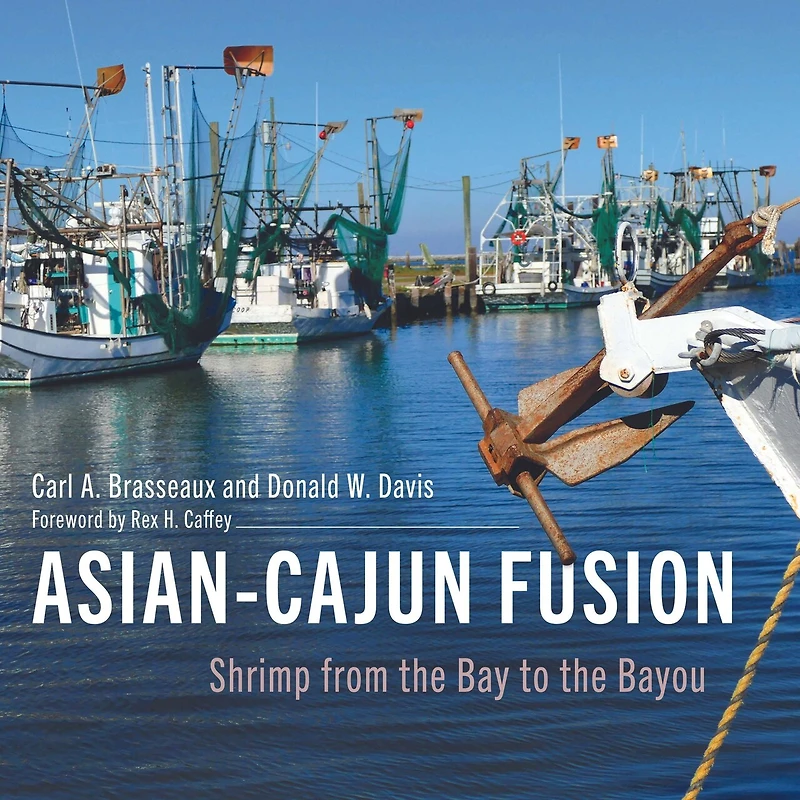
Asian-Cajun Fusion: Shrimp from the Bay to Bayou
Current price: $47.09

Asian-Cajun Fusion: Shrimp from the Bay to Bayou
Current price: $47.09
Loading Inventory...
Size: Hardcover
*Product information may vary - to confirm product availability, pricing, shipping and return information please contact Indigo
Shrimp is easily America?s favorite seafood, but its very popularity is the wellspring of problems that threaten the shrimp industry?s existence. Asian-Cajun Fusion: Shrimp from the Bay to the Bayou provides insightful analysis of this paradox and a detailed, thorough history of the industry in Louisiana.
Dried shrimp technology was part of the cultural heritage Pearl River Chinese immigrants introduced into the Americas in the mid-nineteenth century. As early as 1870, Chinese natives built shrimp-drying operations in Louisiana?s wetlands and exported the product to Asia through the port of San Francisco. This trade internationalized the shrimp industry. About three years before Louisiana?s Chinese community began their export endeavors, manufactured ice became available in New Orleans, and the Dunbar family introduced patented canning technology. The convergence of these ancient and modern technologies shaped the evolution of the northern Gulf Coast?s shrimp industry to the present.
Coastal Louisiana?s historic connection to the Pacific Rim endures. Not only does the region continue to export dried shrimp to Asian markets domestically and internationally, but since 2000 the region?s large Vietnamese immigrant population has increasingly dominated Louisiana?s fresh shrimp harvest. Louisiana shrimp constitute the American gold standard of raw seafood excellence. Yet, in the second decade of the twenty-first century, cheap imports are forcing the nation?s domestic shrimp industry to rediscover its economic roots. ?Fresh off the boat? signs and real-time internet connections with active trawlers are reestablishing the industry?s ties to local consumers. Direct marketing has opened the industry to middle-class customers who meet the boats at the docks. This ?right off the boat? paradigm appears to be leading the way to reestablishment of sustainable aquatic resources. All-one-can-eat shrimp buffets are not going to disappear, but the Louisiana shrimp industry?s fate will ultimately be determined by discerning consumers? palates.
Shrimp is easily America?s favorite seafood, but its very popularity is the wellspring of problems that threaten the shrimp industry?s existence. Asian-Cajun Fusion: Shrimp from the Bay to the Bayou provides insightful analysis of this paradox and a detailed, thorough history of the industry in Louisiana.
Dried shrimp technology was part of the cultural heritage Pearl River Chinese immigrants introduced into the Americas in the mid-nineteenth century. As early as 1870, Chinese natives built shrimp-drying operations in Louisiana?s wetlands and exported the product to Asia through the port of San Francisco. This trade internationalized the shrimp industry. About three years before Louisiana?s Chinese community began their export endeavors, manufactured ice became available in New Orleans, and the Dunbar family introduced patented canning technology. The convergence of these ancient and modern technologies shaped the evolution of the northern Gulf Coast?s shrimp industry to the present.
Coastal Louisiana?s historic connection to the Pacific Rim endures. Not only does the region continue to export dried shrimp to Asian markets domestically and internationally, but since 2000 the region?s large Vietnamese immigrant population has increasingly dominated Louisiana?s fresh shrimp harvest. Louisiana shrimp constitute the American gold standard of raw seafood excellence. Yet, in the second decade of the twenty-first century, cheap imports are forcing the nation?s domestic shrimp industry to rediscover its economic roots. ?Fresh off the boat? signs and real-time internet connections with active trawlers are reestablishing the industry?s ties to local consumers. Direct marketing has opened the industry to middle-class customers who meet the boats at the docks. This ?right off the boat? paradigm appears to be leading the way to reestablishment of sustainable aquatic resources. All-one-can-eat shrimp buffets are not going to disappear, but the Louisiana shrimp industry?s fate will ultimately be determined by discerning consumers? palates.
You May Also Like












More About Indigo at Erin Mills Town Centre
The largest book retailer in Canada also offers toys, music, home décor, gifts and lifestyle products. What's Inside...Books, Magazines, CD’s and DVD’s, Toys and Gifts, Home Accents, Electronics, Baby’s and Children’s Section, Bath and Body, Kitchen and Bedroom, Stationary Located outside in the exterior plaza.
5015 Glen Erin Dr, Mississauga, ON L5M 0R7, Canada
Find Indigo at Erin Mills Town Centre in Mississauga ON
Visit Indigo at Erin Mills Town Centre in Mississauga ON