

GIVE THE PERFECT GIFT
Erin Mills Town Centre Gift Cards are the perfect choice for your gift giving needs.Purchase gift cards at kiosks near the food court or centre court, at Guest Services, or click below to purchase online.PURCHASE HEREHome
Asmat Art: Woodcarvings of Southwest New Guinea
Indigo
Loading Inventory...
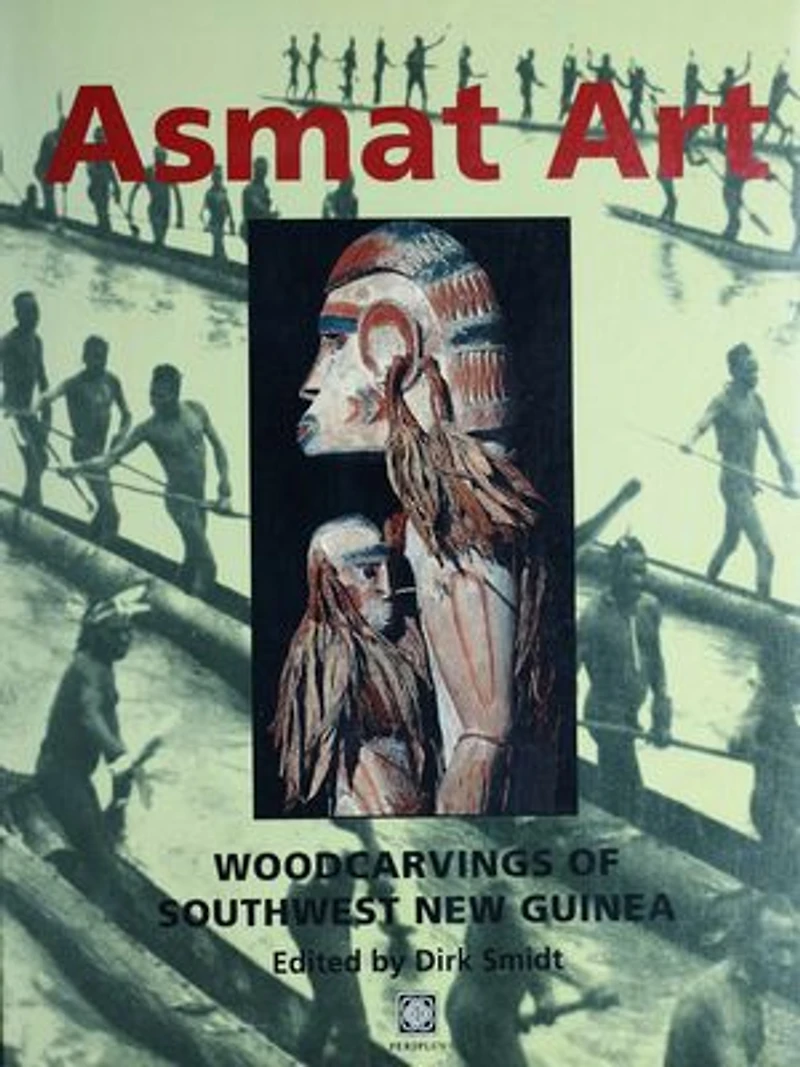
Asmat Art: Woodcarvings of Southwest New Guinea
Current price: $31.19
Original price: $38.99

Asmat Art: Woodcarvings of Southwest New Guinea
Current price: $31.19
Original price: $38.99
Loading Inventory...
Size: Kobo eBook
*Product information may vary - to confirm product availability, pricing, shipping and return information please contact Indigo
Asmat Art features the world renowned woodcarvings of the Asmat, former head-hunters who live in the western half of New Guinea
This book presents a full range of Asmat woodcarving art, but emphasizes the rare early shields and figure sculptures. Drums, canoe prowheads and the larger, more dramatic "objects" are also shown.
Together with bisj poles, war shields are perhaps the most famous creation of Asmat artists, and these were carved throughout the region. It is in the design and construction of the shields that the variations in style region can most clearly be seen. Figure sculptures, of varying styles, are also well represented here, and a limited number of the huge ceremonial carvings, such as bisj poles and basu suangkus, have also been included. The cultural context in which these items play their part is described in detail in the introductory chapters. But it is not the intention of this book to be an ethnography. The focus is on the art pieces themselves.
Asmat Art features the world renowned woodcarvings of the Asmat, former head-hunters who live in the western half of New Guinea
This book presents a full range of Asmat woodcarving art, but emphasizes the rare early shields and figure sculptures. Drums, canoe prowheads and the larger, more dramatic "objects" are also shown.
Together with bisj poles, war shields are perhaps the most famous creation of Asmat artists, and these were carved throughout the region. It is in the design and construction of the shields that the variations in style region can most clearly be seen. Figure sculptures, of varying styles, are also well represented here, and a limited number of the huge ceremonial carvings, such as bisj poles and basu suangkus, have also been included. The cultural context in which these items play their part is described in detail in the introductory chapters. But it is not the intention of this book to be an ethnography. The focus is on the art pieces themselves.
You May Also Like







More About Indigo at Erin Mills Town Centre
The largest book retailer in Canada also offers toys, music, home décor, gifts and lifestyle products. What's Inside...Books, Magazines, CD’s and DVD’s, Toys and Gifts, Home Accents, Electronics, Baby’s and Children’s Section, Bath and Body, Kitchen and Bedroom, Stationary Located outside in the exterior plaza.
5015 Glen Erin Dr, Mississauga, ON L5M 0R7, Canada
Find Indigo at Erin Mills Town Centre in Mississauga ON
Visit Indigo at Erin Mills Town Centre in Mississauga ON