

GIVE THE PERFECT GIFT
Erin Mills Town Centre Gift Cards are the perfect choice for your gift giving needs.Purchase gift cards at kiosks near the food court or centre court, at Guest Services, or click below to purchase online.PURCHASE HEREHome
Aspects of Music
Indigo
Loading Inventory...
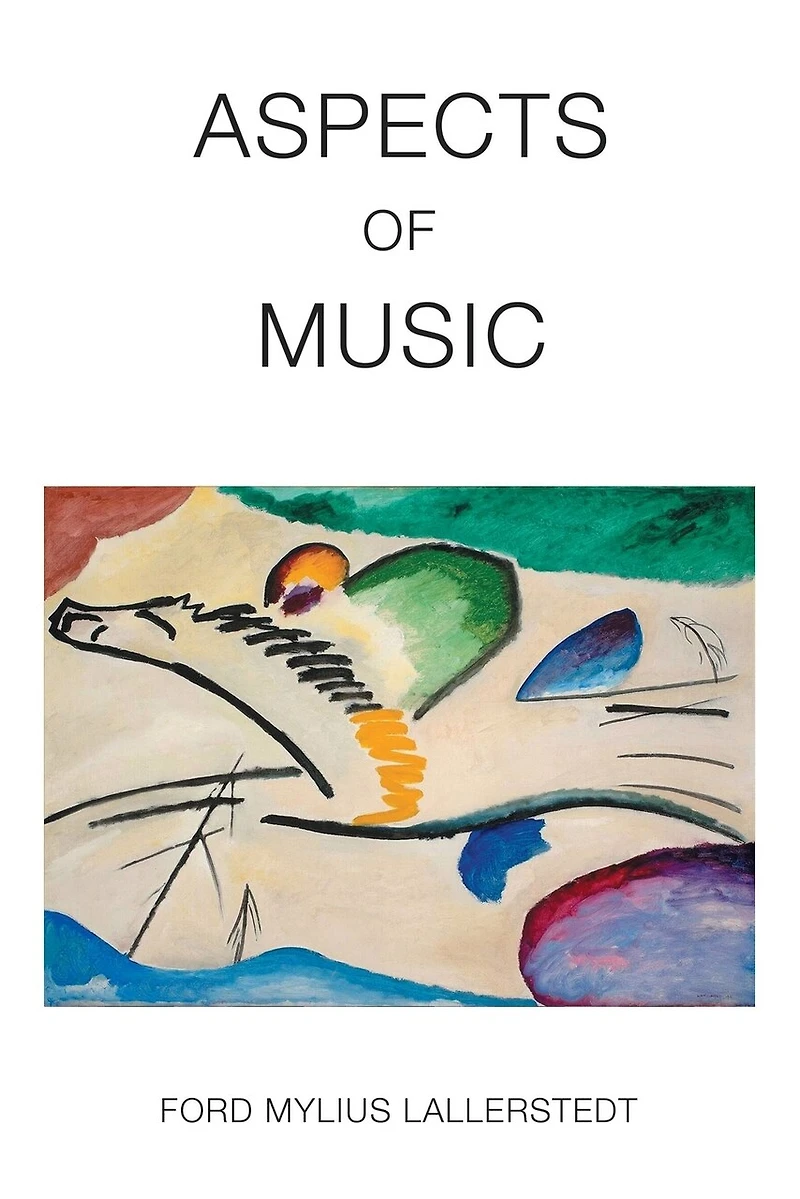
Aspects of Music
Current price: $5.39
Original price: $5.99

Aspects of Music
Current price: $5.39
Original price: $5.99
Loading Inventory...
Size: Kobo eBook
*Product information may vary - to confirm product availability, pricing, shipping and return information please contact Indigo
This study focuses on a continued evaluation and integration of Schenker's work, specifically the role of his ever-deepening understanding of counterpoint in musicalistic structures, both horizontal (melodic) and vertical ('chordal'). It reformulates the role of this understanding in discerning the atomic, primitive elements of an abstract human species-specific, cognitive-computational process. We conjecture that the fundamental technical concepts of counterpoint plausibly form the basis of natural musical logic and coherence and somehow reflect the basis of a representing system for a generative capacity evidenced in the creation and interpretation of musicalistic expressions. It is plausible to assume that a thorough investigation of the musical generating principles of consonance and dissonance, as developed through the technical perspective of species counterpoint, can lead to surprising insights necessary for the formulation of a general theory of music. Music, like language, is obviously an extremely complex system. Music theory must simplify this complexity and endeavour to discover its primitive elements which can be used to develop a systematic representation of levels that contributes to greater descriptive and explanatory salience of musicalistic structure.
This study focuses on a continued evaluation and integration of Schenker's work, specifically the role of his ever-deepening understanding of counterpoint in musicalistic structures, both horizontal (melodic) and vertical ('chordal'). It reformulates the role of this understanding in discerning the atomic, primitive elements of an abstract human species-specific, cognitive-computational process. We conjecture that the fundamental technical concepts of counterpoint plausibly form the basis of natural musical logic and coherence and somehow reflect the basis of a representing system for a generative capacity evidenced in the creation and interpretation of musicalistic expressions. It is plausible to assume that a thorough investigation of the musical generating principles of consonance and dissonance, as developed through the technical perspective of species counterpoint, can lead to surprising insights necessary for the formulation of a general theory of music. Music, like language, is obviously an extremely complex system. Music theory must simplify this complexity and endeavour to discover its primitive elements which can be used to develop a systematic representation of levels that contributes to greater descriptive and explanatory salience of musicalistic structure.
You May Also Like














More About Indigo at Erin Mills Town Centre
The largest book retailer in Canada also offers toys, music, home décor, gifts and lifestyle products. What's Inside...Books, Magazines, CD’s and DVD’s, Toys and Gifts, Home Accents, Electronics, Baby’s and Children’s Section, Bath and Body, Kitchen and Bedroom, Stationary Located outside in the exterior plaza.
5015 Glen Erin Dr, Mississauga, ON L5M 0R7, Canada
Find Indigo at Erin Mills Town Centre in Mississauga ON
Visit Indigo at Erin Mills Town Centre in Mississauga ON