

GIVE THE PERFECT GIFT
Erin Mills Town Centre Gift Cards are the perfect choice for your gift giving needs.Purchase gift cards at kiosks near the food court or centre court, at Guest Services, or click below to purchase online.PURCHASE HEREHome
Assessment Sensitivity: Relative Truth and its Applications
Indigo
Loading Inventory...
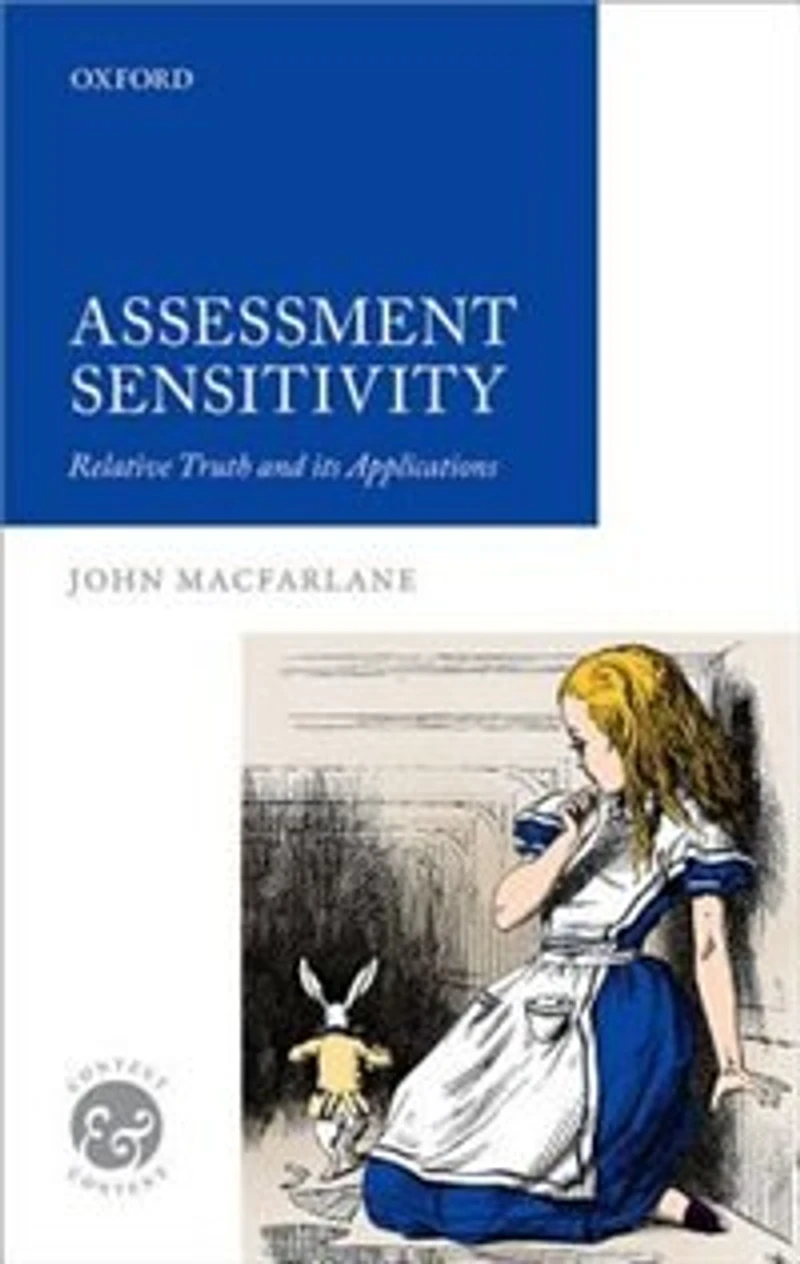
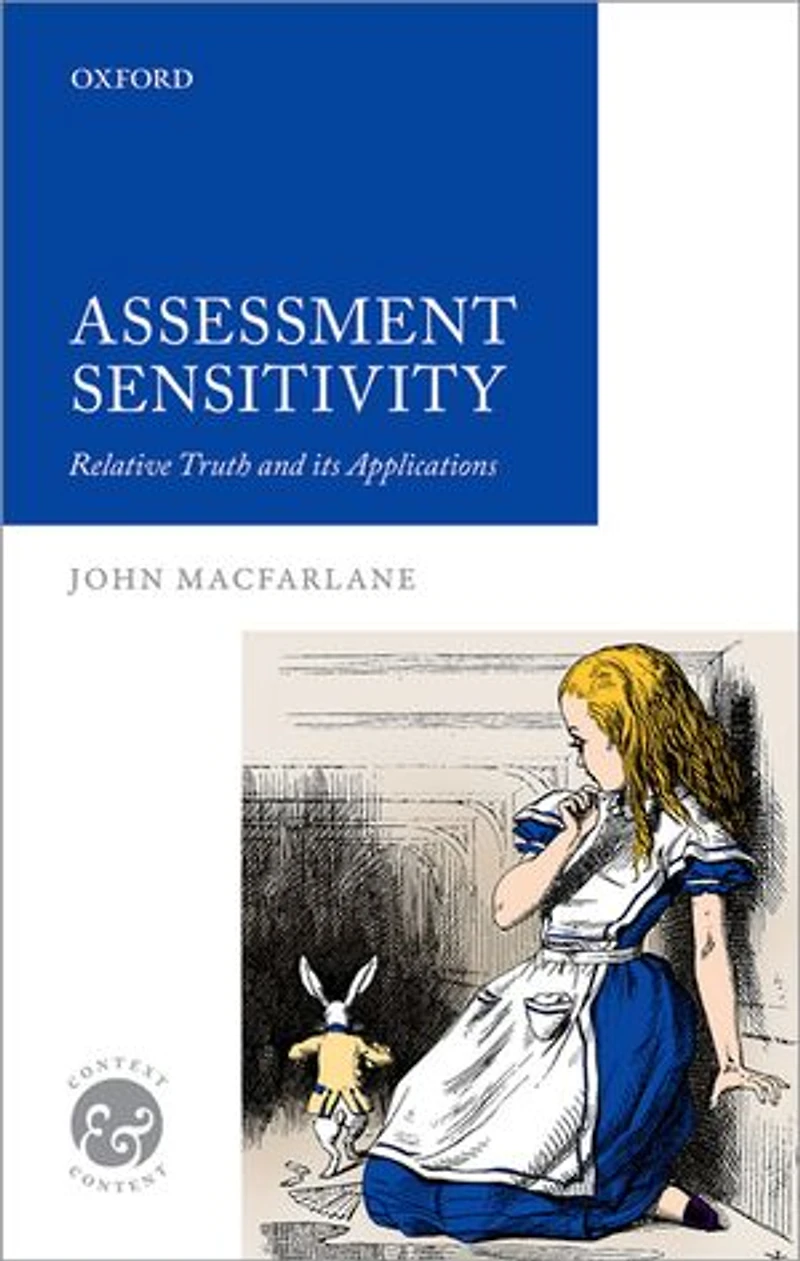
Assessment Sensitivity: Relative Truth and its Applications
Current price: $126.00

Assessment Sensitivity: Relative Truth and its Applications
Current price: $126.00
Loading Inventory...
Size: Hardcover
*Product information may vary - to confirm product availability, pricing, shipping and return information please contact Indigo
John MacFarlane debates how we might make sense of the idea that truth is relative, and how we might use this idea to give satisfying accounts of parts of our thought and talk that have resisted traditional methods of analysis. Although there is a substantial philosophical literature on relativism about truth, going back to Plato's Theaetetus, this literature (both pro and con) has tended to focus on refutations of the doctrine, or refutations of these refutations, at the expense of saying clearly what the doctrine is. In contrast, Assessment Sensitivity begins with a clear account of what it is to be a relativist about truth, and uses this view to give satisfying accounts of what we mean when we talk about what is tasty, what we know, what will happen, what might be the case, and what we ought to do. The book seeks to provide a richer framework for the description of linguistic practices than standard truth-conditional semantics affords: one that allows not just standard contextual sensitivity (sensitivity to features of the context in which an expression is used), but assessment sensitivity (sensitivity to features of the context from which a use of an expression is assessed).
The Context and Content series is a forum for outstanding original research at the intersection of philosophy, linguistics, and cognitive science. The general editor is François Recanati (Institut Jean-Nicod, Paris).
John MacFarlane debates how we might make sense of the idea that truth is relative, and how we might use this idea to give satisfying accounts of parts of our thought and talk that have resisted traditional methods of analysis. Although there is a substantial philosophical literature on relativism about truth, going back to Plato's Theaetetus, this literature (both pro and con) has tended to focus on refutations of the doctrine, or refutations of these refutations, at the expense of saying clearly what the doctrine is. In contrast, Assessment Sensitivity begins with a clear account of what it is to be a relativist about truth, and uses this view to give satisfying accounts of what we mean when we talk about what is tasty, what we know, what will happen, what might be the case, and what we ought to do. The book seeks to provide a richer framework for the description of linguistic practices than standard truth-conditional semantics affords: one that allows not just standard contextual sensitivity (sensitivity to features of the context in which an expression is used), but assessment sensitivity (sensitivity to features of the context from which a use of an expression is assessed).
The Context and Content series is a forum for outstanding original research at the intersection of philosophy, linguistics, and cognitive science. The general editor is François Recanati (Institut Jean-Nicod, Paris).
You May Also Like










More About Indigo at Erin Mills Town Centre
The largest book retailer in Canada also offers toys, music, home décor, gifts and lifestyle products. What's Inside...Books, Magazines, CD’s and DVD’s, Toys and Gifts, Home Accents, Electronics, Baby’s and Children’s Section, Bath and Body, Kitchen and Bedroom, Stationary Located outside in the exterior plaza.
5015 Glen Erin Dr, Mississauga, ON L5M 0R7, Canada
Find Indigo at Erin Mills Town Centre in Mississauga ON
Visit Indigo at Erin Mills Town Centre in Mississauga ON