

GIVE THE PERFECT GIFT
Erin Mills Town Centre Gift Cards are the perfect choice for your gift giving needs.Purchase gift cards at kiosks near the food court or centre court, at Guest Services, or click below to purchase online.PURCHASE HEREHome
Asylia: Territorial Inviolability in the Hellenistic World
Indigo
Loading Inventory...
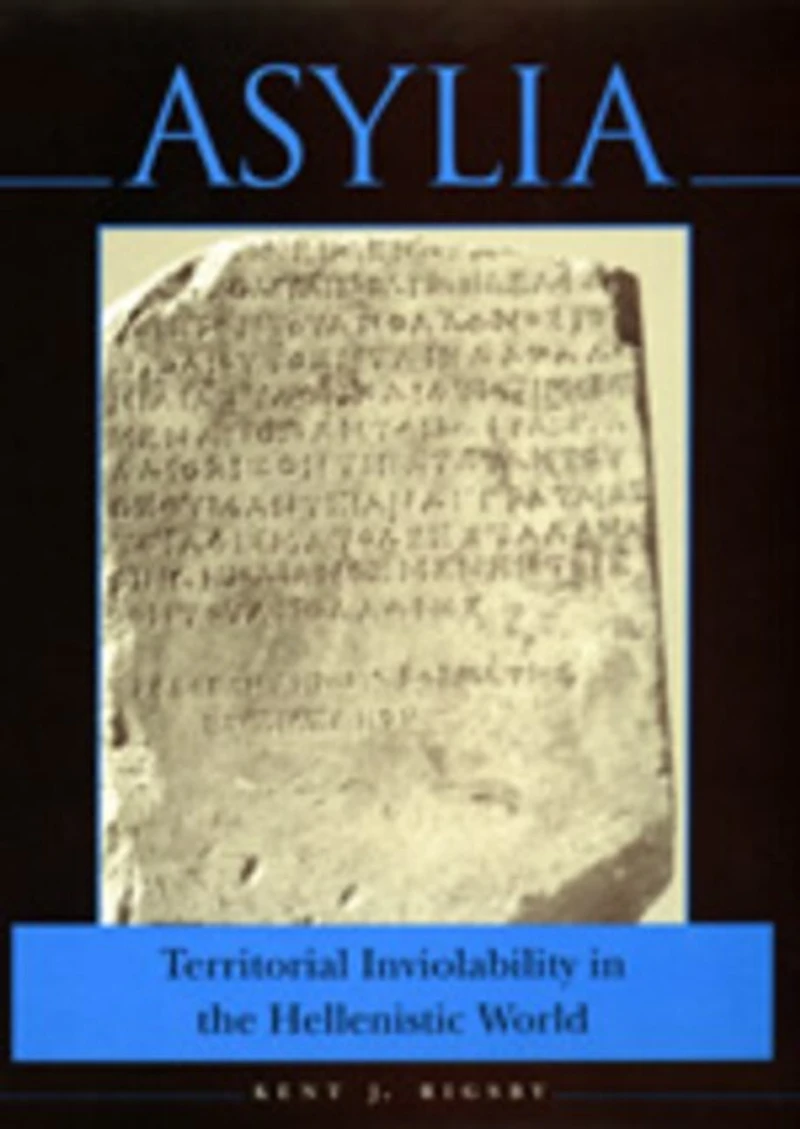
Asylia: Territorial Inviolability in the Hellenistic World
Current price: $168.87

Asylia: Territorial Inviolability in the Hellenistic World
Current price: $168.87
Loading Inventory...
Size: Hardcover
*Product information may vary - to confirm product availability, pricing, shipping and return information please contact Indigo
In the Hellenistic period certain Greek temples and cities came to be declared "sacred and inviolable." Asylia was the practice of declaring religious places precincts of asylum, meaning they were immune to violence and civil authority. The evidence for this phenomenon—mainly inscriptions and coins—is scattered in the published record. The material has never been collected and presented in one publication until now.
Kent J. Rigsby lays out these documents and discusses their historical implications in a substantial introduction. He argues that while a hopeful intention of military neutrality lay behind the institution of asylum, the declarations did not in fact change military behavior. Instead, "declared inviolability" became a civic and religious honor for which cities across the Greek world competed during the third to first centuries B.C.
In the Hellenistic period certain Greek temples and cities came to be declared "sacred and inviolable." Asylia was the practice of declaring religious places precincts of asylum, meaning they were immune to violence and civil authority. The evidence for this phenomenon—mainly inscriptions and coins—is scattered in the published record. The material has never been collected and presented in one publication until now.
Kent J. Rigsby lays out these documents and discusses their historical implications in a substantial introduction. He argues that while a hopeful intention of military neutrality lay behind the institution of asylum, the declarations did not in fact change military behavior. Instead, "declared inviolability" became a civic and religious honor for which cities across the Greek world competed during the third to first centuries B.C.
You May Also Like







More About Indigo at Erin Mills Town Centre
The largest book retailer in Canada also offers toys, music, home décor, gifts and lifestyle products. What's Inside...Books, Magazines, CD’s and DVD’s, Toys and Gifts, Home Accents, Electronics, Baby’s and Children’s Section, Bath and Body, Kitchen and Bedroom, Stationary Located outside in the exterior plaza.
5015 Glen Erin Dr, Mississauga, ON L5M 0R7, Canada
Find Indigo at Erin Mills Town Centre in Mississauga ON
Visit Indigo at Erin Mills Town Centre in Mississauga ON