

GIVE THE PERFECT GIFT
Erin Mills Town Centre Gift Cards are the perfect choice for your gift giving needs.Purchase gift cards at kiosks near the food court or centre court, at Guest Services, or click below to purchase online.PURCHASE HEREHome
Asymmetric Ecologies in Europe and South America around 1800
Indigo
Loading Inventory...
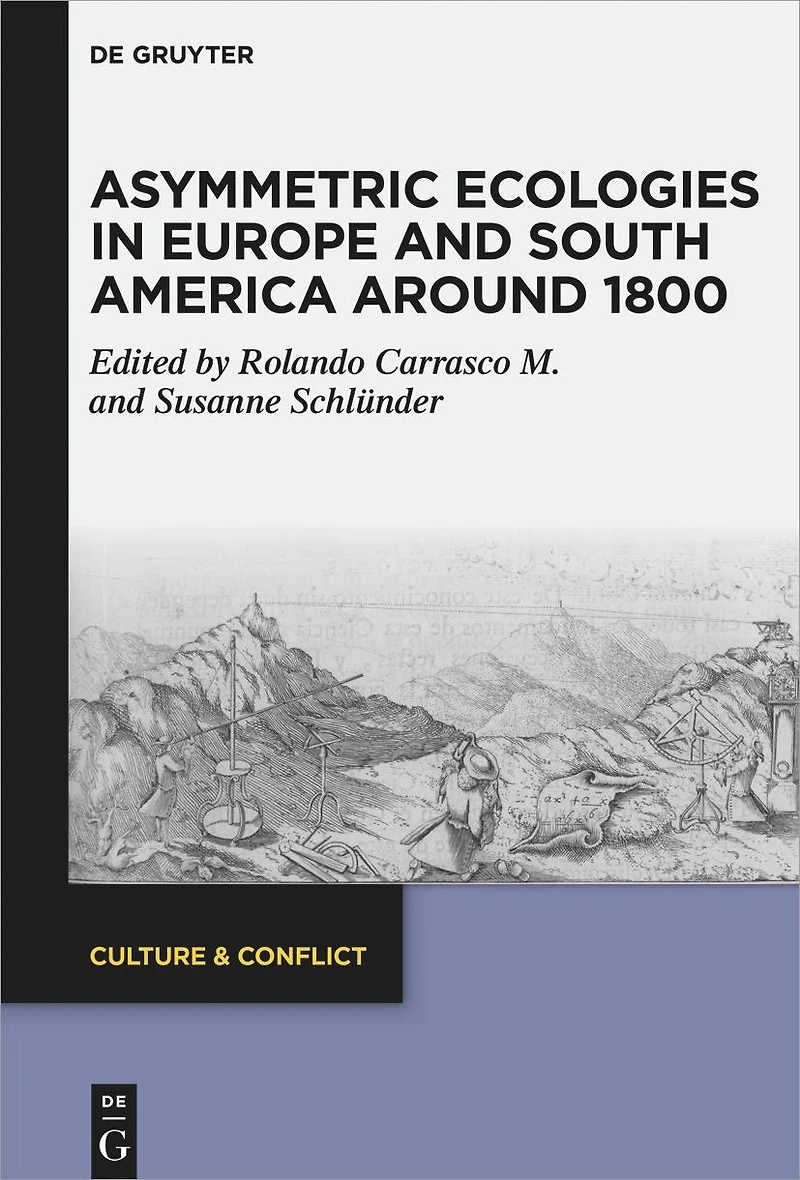
Asymmetric Ecologies in Europe and South America around 1800
Current price: $158.99

Asymmetric Ecologies in Europe and South America around 1800
Current price: $158.99
Loading Inventory...
Size: Hardcover
*Product information may vary - to confirm product availability, pricing, shipping and return information please contact Indigo
This volume proposes new ways of understanding the historical semantics of the relationship between humans and nature in South America in the eighteenth and early nineteenth centuries. The authors in this volume use the notion of asymmetry to discuss the representations of and forms of knowledge about nature circulating in, and about, colonial and postcolonial South America. They argue that the production of knowledge about the American natural space widened the power gap between the Europeans colonizers and the local population. This gap, therefore, rests on what we call 'asymmetric ecologies': Eurocentric epistemic orders excluded forms of indigenous, mestizo, and Creole knowledge about nature. By looking at literary as well as non-literary sources, such as natural histories, travel narratives, encyclopaedias or medical writing, the essays in this volume trace the origins of new theoretical paradigms (ecocriticism, biopolitics, transarea studies, etc.), and examine the regional cultural, identity, and epistemic conflicts that undercut the Eurocentric narrative of enlightened modernity.
This volume proposes new ways of understanding the historical semantics of the relationship between humans and nature in South America in the eighteenth and early nineteenth centuries. The authors in this volume use the notion of asymmetry to discuss the representations of and forms of knowledge about nature circulating in, and about, colonial and postcolonial South America. They argue that the production of knowledge about the American natural space widened the power gap between the Europeans colonizers and the local population. This gap, therefore, rests on what we call 'asymmetric ecologies': Eurocentric epistemic orders excluded forms of indigenous, mestizo, and Creole knowledge about nature. By looking at literary as well as non-literary sources, such as natural histories, travel narratives, encyclopaedias or medical writing, the essays in this volume trace the origins of new theoretical paradigms (ecocriticism, biopolitics, transarea studies, etc.), and examine the regional cultural, identity, and epistemic conflicts that undercut the Eurocentric narrative of enlightened modernity.
You May Also Like









More About Indigo at Erin Mills Town Centre
The largest book retailer in Canada also offers toys, music, home décor, gifts and lifestyle products. What's Inside...Books, Magazines, CD’s and DVD’s, Toys and Gifts, Home Accents, Electronics, Baby’s and Children’s Section, Bath and Body, Kitchen and Bedroom, Stationary Located outside in the exterior plaza.
5015 Glen Erin Dr, Mississauga, ON L5M 0R7, Canada
Find Indigo at Erin Mills Town Centre in Mississauga ON
Visit Indigo at Erin Mills Town Centre in Mississauga ON