

GIVE THE PERFECT GIFT
Erin Mills Town Centre Gift Cards are the perfect choice for your gift giving needs.Purchase gift cards at kiosks near the food court or centre court, at Guest Services, or click below to purchase online.PURCHASE HEREHome
Asymmetric Federalism in India: Ethnicity, Development and Governance
Indigo
Loading Inventory...
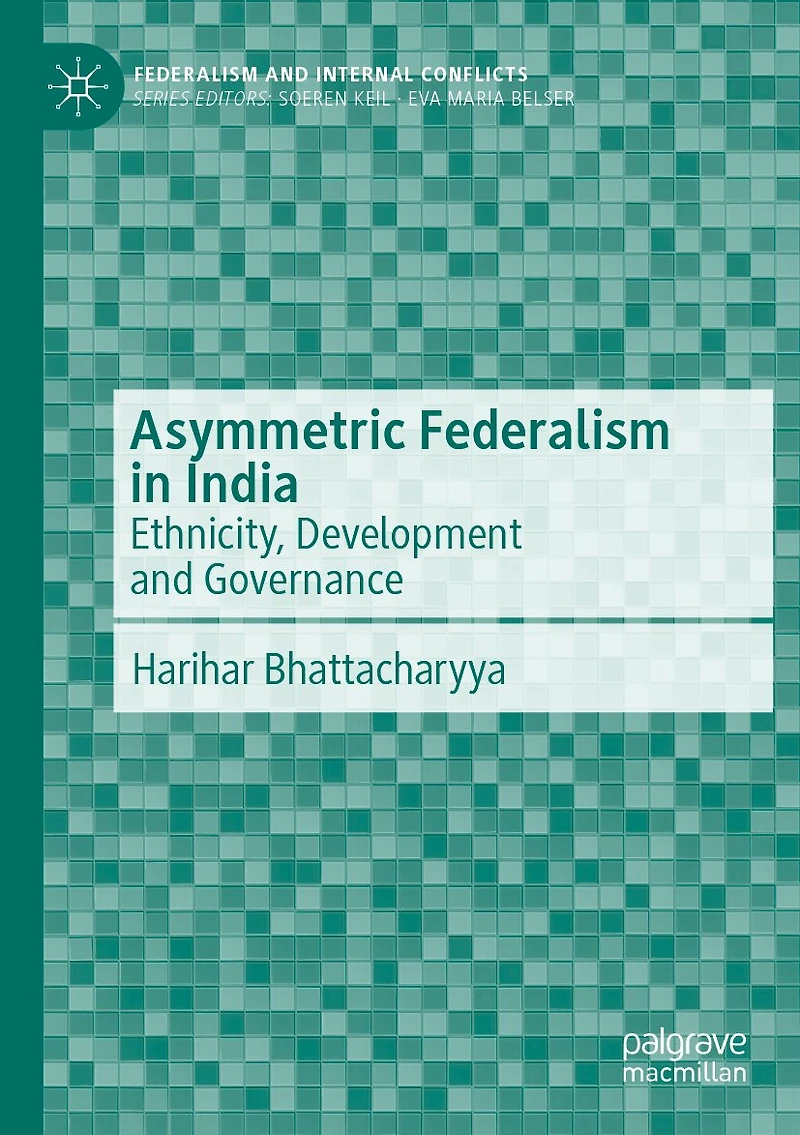
Asymmetric Federalism in India: Ethnicity, Development and Governance
Current price: $233.95

Asymmetric Federalism in India: Ethnicity, Development and Governance
Current price: $233.95
Loading Inventory...
Size: Paperback
*Product information may vary - to confirm product availability, pricing, shipping and return information please contact Indigo
This book provides a critical account of federal asymmetry in India - its origins, context, forms and functioning - by taking into account the institutional effectiveness of asymmetric institutions in the regions for identity fulfillment, development and governance. It argues that while some asymmetry, de jure/ or de facto, is part of all federations for meeting some special circumstances, in India, which has followed a different path of federation building, asymmetric institutional solutions especially in the border areas have played a crucially important role in accommodating ethno-cultural diversity, ensuring law and order, a level of development and governance in a process that has turned the 'rebels into stakeholders'. India's federal asymmetric designs and their working has been a key to holding the peripheries within the Union of India. The book utilizes both archival research and empirical survey data, as well as elite interviews.
This book provides a critical account of federal asymmetry in India - its origins, context, forms and functioning - by taking into account the institutional effectiveness of asymmetric institutions in the regions for identity fulfillment, development and governance. It argues that while some asymmetry, de jure/ or de facto, is part of all federations for meeting some special circumstances, in India, which has followed a different path of federation building, asymmetric institutional solutions especially in the border areas have played a crucially important role in accommodating ethno-cultural diversity, ensuring law and order, a level of development and governance in a process that has turned the 'rebels into stakeholders'. India's federal asymmetric designs and their working has been a key to holding the peripheries within the Union of India. The book utilizes both archival research and empirical survey data, as well as elite interviews.
You May Also Like













More About Indigo at Erin Mills Town Centre
The largest book retailer in Canada also offers toys, music, home décor, gifts and lifestyle products. What's Inside...Books, Magazines, CD’s and DVD’s, Toys and Gifts, Home Accents, Electronics, Baby’s and Children’s Section, Bath and Body, Kitchen and Bedroom, Stationary Located outside in the exterior plaza.
5015 Glen Erin Dr, Mississauga, ON L5M 0R7, Canada
Find Indigo at Erin Mills Town Centre in Mississauga ON
Visit Indigo at Erin Mills Town Centre in Mississauga ON