

GIVE THE PERFECT GIFT
Erin Mills Town Centre Gift Cards are the perfect choice for your gift giving needs.Purchase gift cards at kiosks near the food court or centre court, at Guest Services, or click below to purchase online.PURCHASE HEREHome
Asymmetrical Threat Perceptions in India-China Relations
Indigo
Loading Inventory...
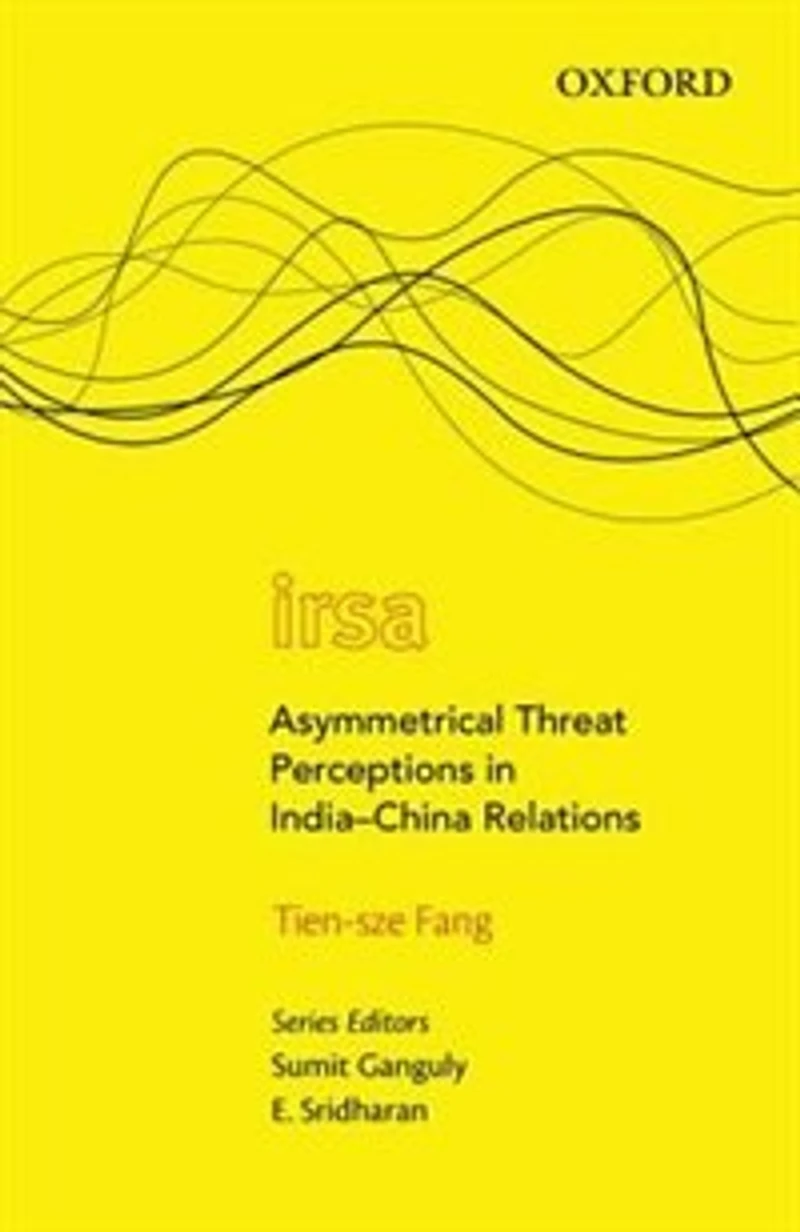
Asymmetrical Threat Perceptions in India-China Relations
Current price: $56.95

Asymmetrical Threat Perceptions in India-China Relations
Current price: $56.95
Loading Inventory...
Size: Hardcover
*Product information may vary - to confirm product availability, pricing, shipping and return information please contact Indigo
The rise of China and India is undoubtedly a major feature of global politics nowadays. The interactions between the two rising Asian powers will not only exert a profound and far-reaching influence over regional security, but is also seen as a decisive factor in reshaping international order. Acknowledging that recurrent tensions seem to be a significant feature of Sino-Indian relations, people may ask: Why are China and India not able to develop long-term stable and friendly relations? To shed lights on the important relationship, this book provides a new perspective for understanding India-China relations by highlighting the asymmetry of the threat perceptions between India and China.
The major issues of India-China relations, including the nuclear issue, the boundary problem, the Tibet issue, regional competition and cooperation, and India-China relations in the global context, are further examined taking an analytical approach. The book observes that India-China relations are constrained by the asymmetry between their threat perceptions, which has been a destabilizing factor in India-China relations.
The rise of China and India is undoubtedly a major feature of global politics nowadays. The interactions between the two rising Asian powers will not only exert a profound and far-reaching influence over regional security, but is also seen as a decisive factor in reshaping international order. Acknowledging that recurrent tensions seem to be a significant feature of Sino-Indian relations, people may ask: Why are China and India not able to develop long-term stable and friendly relations? To shed lights on the important relationship, this book provides a new perspective for understanding India-China relations by highlighting the asymmetry of the threat perceptions between India and China.
The major issues of India-China relations, including the nuclear issue, the boundary problem, the Tibet issue, regional competition and cooperation, and India-China relations in the global context, are further examined taking an analytical approach. The book observes that India-China relations are constrained by the asymmetry between their threat perceptions, which has been a destabilizing factor in India-China relations.
You May Also Like










More About Indigo at Erin Mills Town Centre
The largest book retailer in Canada also offers toys, music, home décor, gifts and lifestyle products. What's Inside...Books, Magazines, CD’s and DVD’s, Toys and Gifts, Home Accents, Electronics, Baby’s and Children’s Section, Bath and Body, Kitchen and Bedroom, Stationary Located outside in the exterior plaza.
5015 Glen Erin Dr, Mississauga, ON L5M 0R7, Canada
Find Indigo at Erin Mills Town Centre in Mississauga ON
Visit Indigo at Erin Mills Town Centre in Mississauga ON