

GIVE THE PERFECT GIFT
Erin Mills Town Centre Gift Cards are the perfect choice for your gift giving needs.Purchase gift cards at kiosks near the food court or centre court, at Guest Services, or click below to purchase online.PURCHASE HEREHome
At Home Postwar France: Modern Mass Housing and the Right to Comfort
Indigo
Loading Inventory...
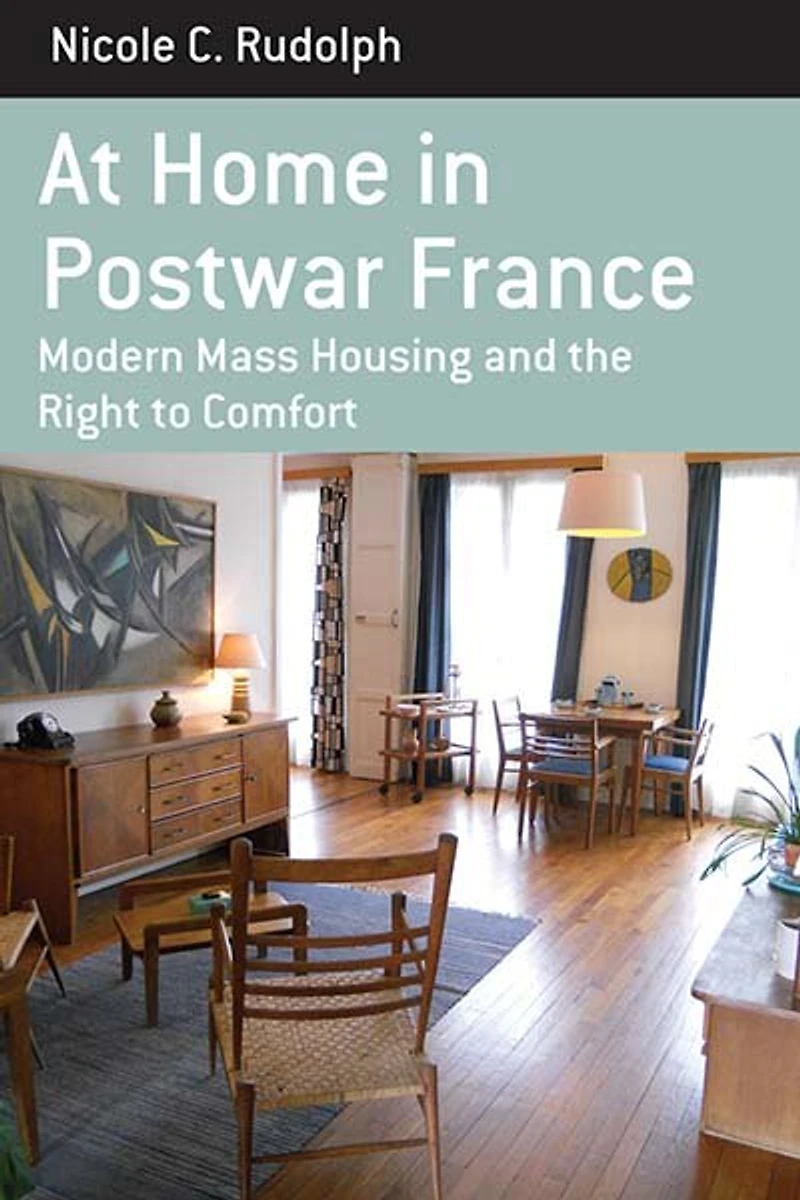
At Home Postwar France: Modern Mass Housing and the Right to Comfort
Current price: $175.99

At Home Postwar France: Modern Mass Housing and the Right to Comfort
Current price: $175.99
Loading Inventory...
Size: Library Binding
*Product information may vary - to confirm product availability, pricing, shipping and return information please contact Indigo
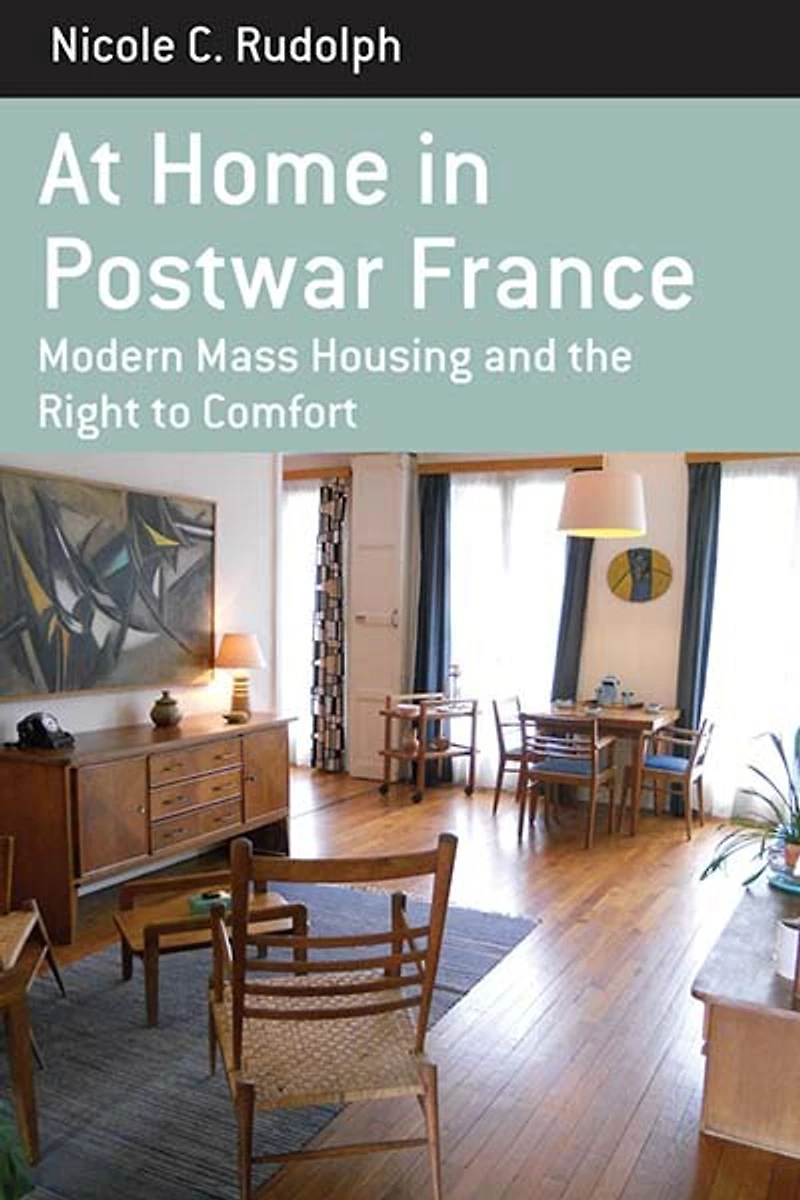
After World War II, France embarked on a project of modernization, which included the development of the modern mass home. At Home in Postwar France examines key groups of actors — state officials, architects, sociologists and tastemakers — arguing that modernizers looked to the home as a site for social engineering and nation-building; designers and advocates of the modern home contributed to the democratization of French society; and the French home of the Trente Glorieuses , as it was built and inhabited, was a hybrid product of architects’, planners’, and residents’ understandings of modernity. This volume identifies the “right to comfort” as an invention of the postwar period and suggests that the modern mass home played a vital role in shaping new expectations for well-being and happiness.
After World War II, France embarked on a project of modernization, which included the development of the modern mass home. At Home in Postwar France examines key groups of actors — state officials, architects, sociologists and tastemakers — arguing that modernizers looked to the home as a site for social engineering and nation-building; designers and advocates of the modern home contributed to the democratization of French society; and the French home of the Trente Glorieuses , as it was built and inhabited, was a hybrid product of architects’, planners’, and residents’ understandings of modernity. This volume identifies the “right to comfort” as an invention of the postwar period and suggests that the modern mass home played a vital role in shaping new expectations for well-being and happiness.
You May Also Like













More About Indigo at Erin Mills Town Centre
The largest book retailer in Canada also offers toys, music, home décor, gifts and lifestyle products. What's Inside...Books, Magazines, CD’s and DVD’s, Toys and Gifts, Home Accents, Electronics, Baby’s and Children’s Section, Bath and Body, Kitchen and Bedroom, Stationary Located outside in the exterior plaza.
5015 Glen Erin Dr, Mississauga, ON L5M 0R7, Canada
Find Indigo at Erin Mills Town Centre in Mississauga ON
Visit Indigo at Erin Mills Town Centre in Mississauga ON