

GIVE THE PERFECT GIFT
Erin Mills Town Centre Gift Cards are the perfect choice for your gift giving needs.Purchase gift cards at kiosks near the food court or centre court, at Guest Services, or click below to purchase online.PURCHASE HEREHome
At the End of Property: Patents, Plants and Crisis Propertization
Indigo
Loading Inventory...
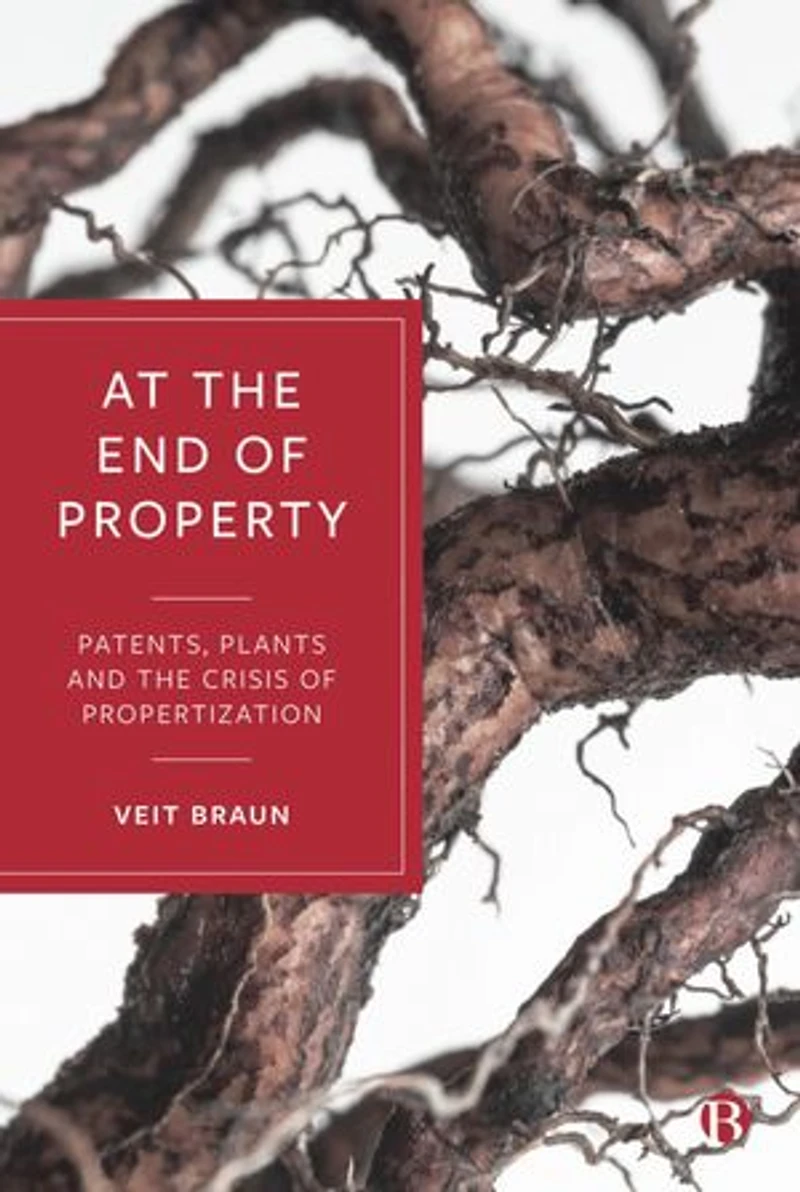
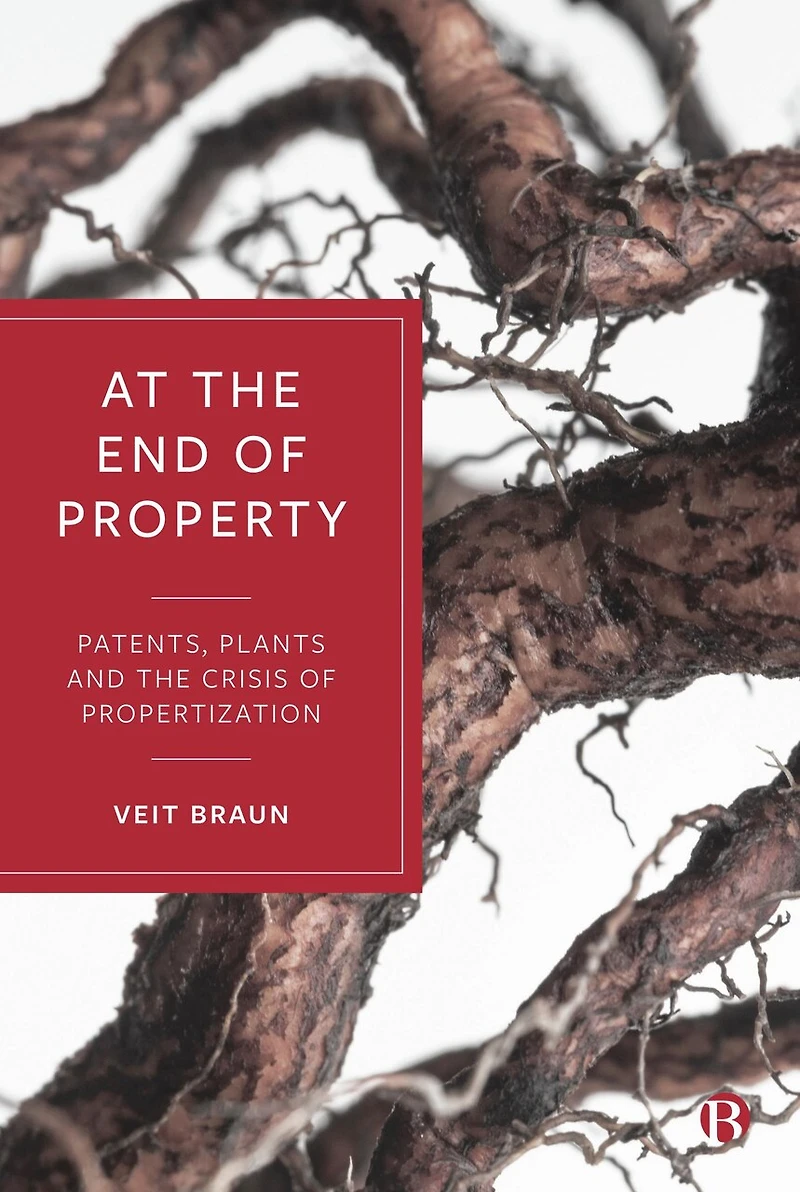
At the End of Property: Patents, Plants and Crisis Propertization
Current price: $45.59
Original price: $56.94

At the End of Property: Patents, Plants and Crisis Propertization
Current price: $45.59
Original price: $56.94
Loading Inventory...
Size: Kobo eBook
*Product information may vary - to confirm product availability, pricing, shipping and return information please contact Indigo
Recent decades have witnessed the creation of new types of property systems, ranging from data ownership to national control over genetic resources. This trend has significant implications for wealth distribution and our understanding of who can own what.
This book explores the idea of ownership in the realm of plant breeding, revealing how plants have been legally and materially transformed into property. It highlights the controversial aspects of turning seeds, plants and genes into property and how this endangers the viability of the seed industry.
Examining ownership not simply as a legal concept, but as a bundle of laws, practices and technologies, this is a valuable contribution that will interest scholars of intellectual property studies, the anthropology of markets, science and technology studies and related fields.
Recent decades have witnessed the creation of new types of property systems, ranging from data ownership to national control over genetic resources. This trend has significant implications for wealth distribution and our understanding of who can own what.
This book explores the idea of ownership in the realm of plant breeding, revealing how plants have been legally and materially transformed into property. It highlights the controversial aspects of turning seeds, plants and genes into property and how this endangers the viability of the seed industry.
Examining ownership not simply as a legal concept, but as a bundle of laws, practices and technologies, this is a valuable contribution that will interest scholars of intellectual property studies, the anthropology of markets, science and technology studies and related fields.
You May Also Like









More About Indigo at Erin Mills Town Centre
The largest book retailer in Canada also offers toys, music, home décor, gifts and lifestyle products. What's Inside...Books, Magazines, CD’s and DVD’s, Toys and Gifts, Home Accents, Electronics, Baby’s and Children’s Section, Bath and Body, Kitchen and Bedroom, Stationary Located outside in the exterior plaza.
5015 Glen Erin Dr, Mississauga, ON L5M 0R7, Canada
Find Indigo at Erin Mills Town Centre in Mississauga ON
Visit Indigo at Erin Mills Town Centre in Mississauga ON