

GIVE THE PERFECT GIFT
Erin Mills Town Centre Gift Cards are the perfect choice for your gift giving needs.Purchase gift cards at kiosks near the food court or centre court, at Guest Services, or click below to purchase online.PURCHASE HEREHome
Athens on the Frontier: Grecian-Style Architecture Splendid Valley of West, 1820-1860
Indigo
Loading Inventory...
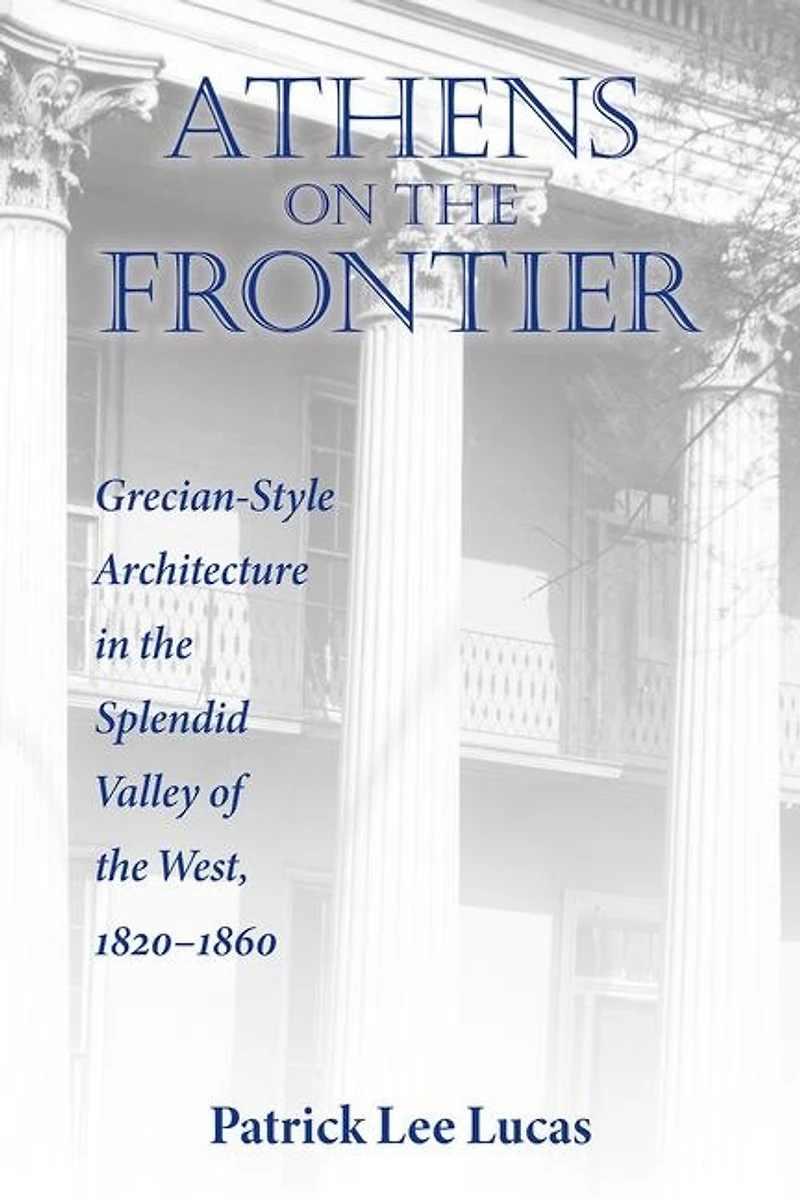
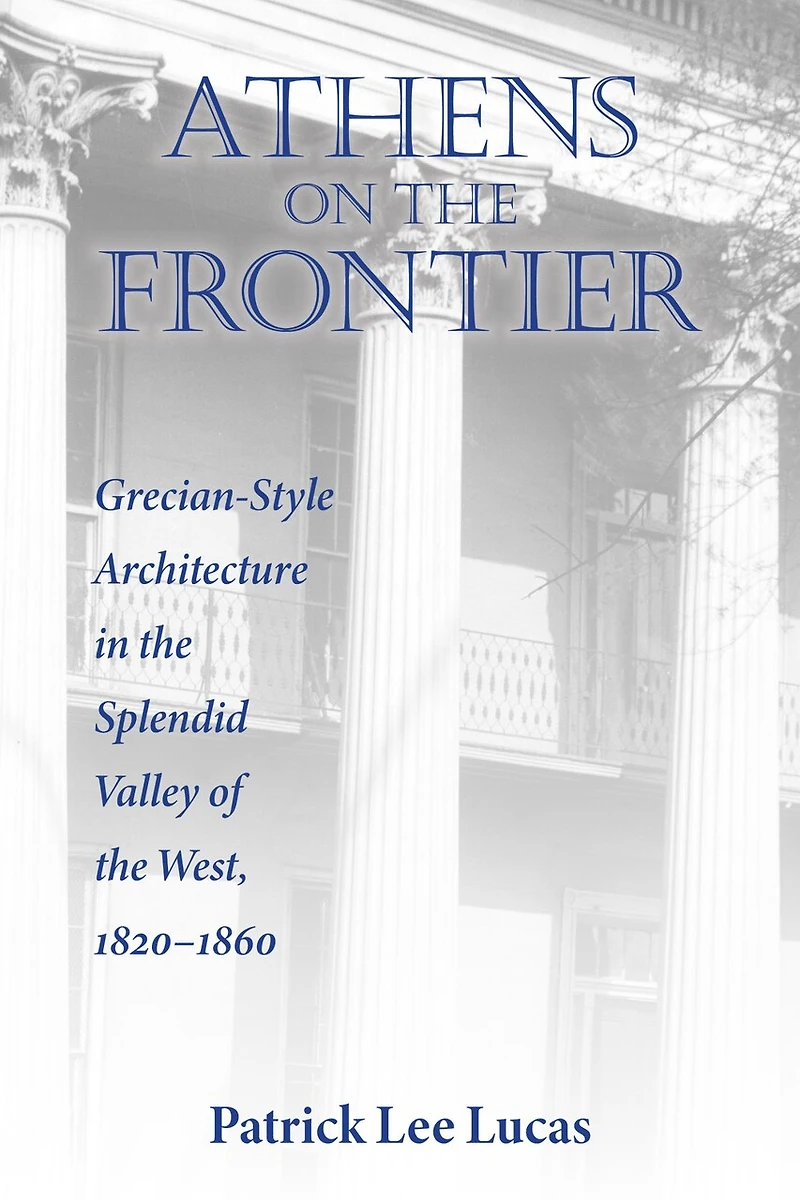
Athens on the Frontier: Grecian-Style Architecture Splendid Valley of West, 1820-1860
Current price: $41.00

Athens on the Frontier: Grecian-Style Architecture Splendid Valley of West, 1820-1860
Current price: $41.00
Loading Inventory...
Size: Hardcover
*Product information may vary - to confirm product availability, pricing, shipping and return information please contact Indigo
In 1811, architect Benjamin Henry Latrobe spurred American builders into action when he called for them to reject "the corrupt Age of Dioclesian, or the still more absurd and debased taste of Louis the XIV," and to emulate instead the ancient temples of Greece. In response, people in the antebellum trans-Appalachian region embraced the clean lines, intricate details, and stately symmetry of the Grecian style. On newly built public buildings, private homes, and religious structures, references to classical Greek architecture became the preferred ornamentation. Several antebellum cities and towns adopted the moniker of "Athens," styling themselves as centers of culture, education, and sophistication. As the trend grew, American citizens understood the name as a link between the Grecian style and the founding principles of democracy--signaling a change of taste in service to the larger American cultural ideal. In Athens on the Frontier , Patrick Lee Lucas examines the material culture of Grecian-style buildings in antebellum America to help recover nineteenth-century regional identities. As communities worked to define their built landscape and develop a shared Western identity, Lucas's study invites readers to question many of the assumptions Americans have made about divisions and cultural formation in antebellum society.
In 1811, architect Benjamin Henry Latrobe spurred American builders into action when he called for them to reject "the corrupt Age of Dioclesian, or the still more absurd and debased taste of Louis the XIV," and to emulate instead the ancient temples of Greece. In response, people in the antebellum trans-Appalachian region embraced the clean lines, intricate details, and stately symmetry of the Grecian style. On newly built public buildings, private homes, and religious structures, references to classical Greek architecture became the preferred ornamentation. Several antebellum cities and towns adopted the moniker of "Athens," styling themselves as centers of culture, education, and sophistication. As the trend grew, American citizens understood the name as a link between the Grecian style and the founding principles of democracy--signaling a change of taste in service to the larger American cultural ideal. In Athens on the Frontier , Patrick Lee Lucas examines the material culture of Grecian-style buildings in antebellum America to help recover nineteenth-century regional identities. As communities worked to define their built landscape and develop a shared Western identity, Lucas's study invites readers to question many of the assumptions Americans have made about divisions and cultural formation in antebellum society.
You May Also Like














More About Indigo at Erin Mills Town Centre
The largest book retailer in Canada also offers toys, music, home décor, gifts and lifestyle products. What's Inside...Books, Magazines, CD’s and DVD’s, Toys and Gifts, Home Accents, Electronics, Baby’s and Children’s Section, Bath and Body, Kitchen and Bedroom, Stationary Located outside in the exterior plaza.
5015 Glen Erin Dr, Mississauga, ON L5M 0R7, Canada
Find Indigo at Erin Mills Town Centre in Mississauga ON
Visit Indigo at Erin Mills Town Centre in Mississauga ON