

GIVE THE PERFECT GIFT
Erin Mills Town Centre Gift Cards are the perfect choice for your gift giving needs.Purchase gift cards at kiosks near the food court or centre court, at Guest Services, or click below to purchase online.PURCHASE HEREHome
Atomic Bomb: Memory And Its Power On Japanese Pacifism
Indigo
Loading Inventory...
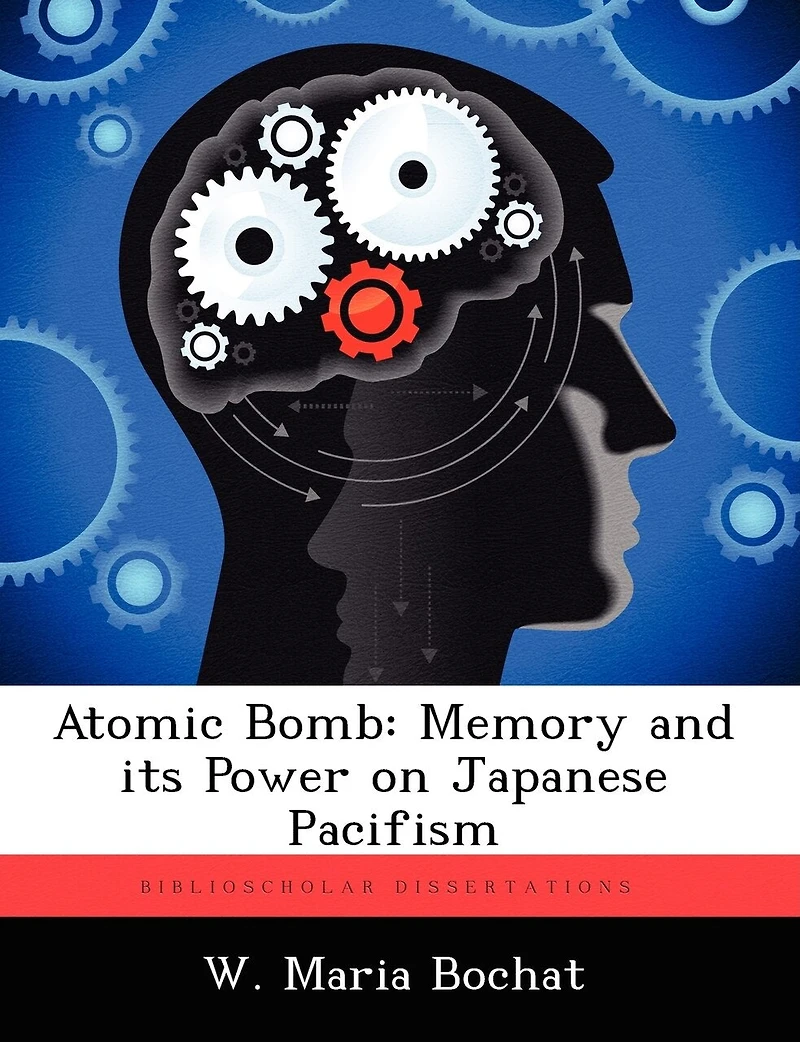
Atomic Bomb: Memory And Its Power On Japanese Pacifism
Current price: $59.00

Atomic Bomb: Memory And Its Power On Japanese Pacifism
Current price: $59.00
Loading Inventory...
Size: Paperback
*Product information may vary - to confirm product availability, pricing, shipping and return information please contact Indigo
Japan's pacifist identity and security practices have deep roots with the atomic bomb. The victims experiences and Japan's preferences in dealing with the memories distinguishes their nation and allows them security opportunities that other nations do not enjoy. The changes to Japanese Culture since the atomic bomb shows an emergence of a new identity closely tied to nonviolence. Japan's external identity as a global peace broker developed while the internal identity appears to constantly redefine itself and grow. The balance of Japan's External identity and internal identity are critical to Japan's social stability especially in regards to the nation's security. Keeping the memories of Hiroshima and Nagasaki is essential to the foundation of the nation's Pacifist identity even today. The atomic bombs are international symbols of extreme collateral damage and targeting of civilians. This violence against civilians has kept the story in the forefront of the global history. The Japanese understand the power of the victim's memory and continue to cultivate it. A reflective look, through the Japanese perspective provides greater understanding of the long-term effects and consequences of aggressive, violent actions taken against a country. This look includes the response of the international community. Currently, members of the ruling party propose revisions to their constitution and military missions.
Japan's pacifist identity and security practices have deep roots with the atomic bomb. The victims experiences and Japan's preferences in dealing with the memories distinguishes their nation and allows them security opportunities that other nations do not enjoy. The changes to Japanese Culture since the atomic bomb shows an emergence of a new identity closely tied to nonviolence. Japan's external identity as a global peace broker developed while the internal identity appears to constantly redefine itself and grow. The balance of Japan's External identity and internal identity are critical to Japan's social stability especially in regards to the nation's security. Keeping the memories of Hiroshima and Nagasaki is essential to the foundation of the nation's Pacifist identity even today. The atomic bombs are international symbols of extreme collateral damage and targeting of civilians. This violence against civilians has kept the story in the forefront of the global history. The Japanese understand the power of the victim's memory and continue to cultivate it. A reflective look, through the Japanese perspective provides greater understanding of the long-term effects and consequences of aggressive, violent actions taken against a country. This look includes the response of the international community. Currently, members of the ruling party propose revisions to their constitution and military missions.










More About Indigo at Erin Mills Town Centre
The largest book retailer in Canada also offers toys, music, home décor, gifts and lifestyle products. What's Inside...Books, Magazines, CD’s and DVD’s, Toys and Gifts, Home Accents, Electronics, Baby’s and Children’s Section, Bath and Body, Kitchen and Bedroom, Stationary Located outside in the exterior plaza.
5015 Glen Erin Dr, Mississauga, ON L5M 0R7, Canada
Find Indigo at Erin Mills Town Centre in Mississauga ON
Visit Indigo at Erin Mills Town Centre in Mississauga ON