

GIVE THE PERFECT GIFT
Erin Mills Town Centre Gift Cards are the perfect choice for your gift giving needs.Purchase gift cards at kiosks near the food court or centre court, at Guest Services, or click below to purchase online.PURCHASE HEREHome
Augustine on the Nature of Virtue and Sin
Indigo
Loading Inventory...
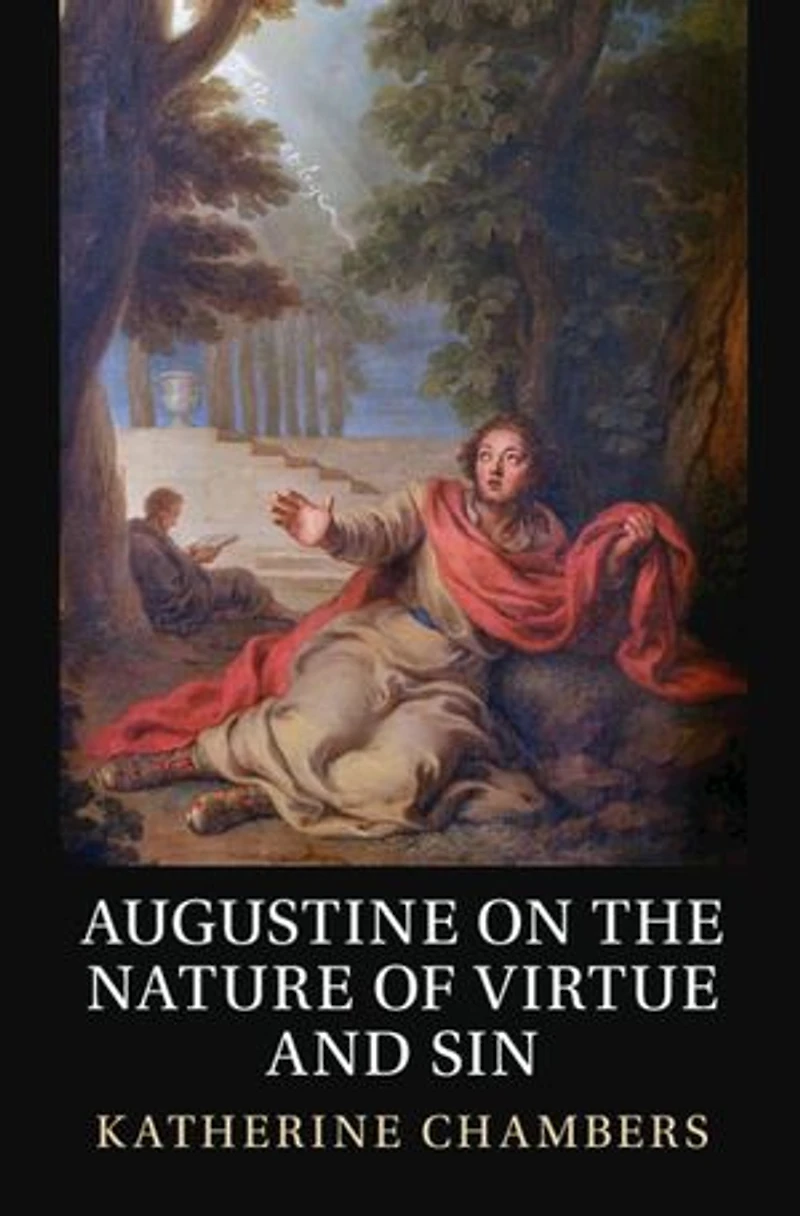
Augustine on the Nature of Virtue and Sin
Current price: $126.39
Original price: $157.95

Augustine on the Nature of Virtue and Sin
Current price: $126.39
Original price: $157.95
Loading Inventory...
Size: Kobo eBook
*Product information may vary - to confirm product availability, pricing, shipping and return information please contact Indigo
Augustine of Hippo is a key figure in the history of Christianity and has had a profound impact on the course of western moral and political thought. Katherine Chambers here explores a neglected topic in Augustinian studies by offering a systematic account of the meaning that Augustine gave to the notions of virtue, vice and sin. Countering the view that he broke with classical eudaimonism, she demonstrates that Augustine's moral thought builds on the dominant approach to ethics in classical 'pagan' antiquity. A critical appraisal of this tradition reveals that Augustine remained faithful to the eudaimonist approach to ethics. Chambers also refutes the view that Augustine was a political pessimist or realist, showing that it is based upon a misunderstanding of Augustine's ideas about the virtue of justice. Providing a coherent account of key features in Augustine's ethics, her study invites a new and fresh evaluation of his influence on western moral and political thought.
Augustine of Hippo is a key figure in the history of Christianity and has had a profound impact on the course of western moral and political thought. Katherine Chambers here explores a neglected topic in Augustinian studies by offering a systematic account of the meaning that Augustine gave to the notions of virtue, vice and sin. Countering the view that he broke with classical eudaimonism, she demonstrates that Augustine's moral thought builds on the dominant approach to ethics in classical 'pagan' antiquity. A critical appraisal of this tradition reveals that Augustine remained faithful to the eudaimonist approach to ethics. Chambers also refutes the view that Augustine was a political pessimist or realist, showing that it is based upon a misunderstanding of Augustine's ideas about the virtue of justice. Providing a coherent account of key features in Augustine's ethics, her study invites a new and fresh evaluation of his influence on western moral and political thought.
You May Also Like










More About Indigo at Erin Mills Town Centre
The largest book retailer in Canada also offers toys, music, home décor, gifts and lifestyle products. What's Inside...Books, Magazines, CD’s and DVD’s, Toys and Gifts, Home Accents, Electronics, Baby’s and Children’s Section, Bath and Body, Kitchen and Bedroom, Stationary Located outside in the exterior plaza.
5015 Glen Erin Dr, Mississauga, ON L5M 0R7, Canada
Find Indigo at Erin Mills Town Centre in Mississauga ON
Visit Indigo at Erin Mills Town Centre in Mississauga ON