

GIVE THE PERFECT GIFT
Erin Mills Town Centre Gift Cards are the perfect choice for your gift giving needs.Purchase gift cards at kiosks near the food court or centre court, at Guest Services, or click below to purchase online.PURCHASE HEREHome
Australian Economic History: Transformations of an Interdisciplinary Field
Indigo
Loading Inventory...
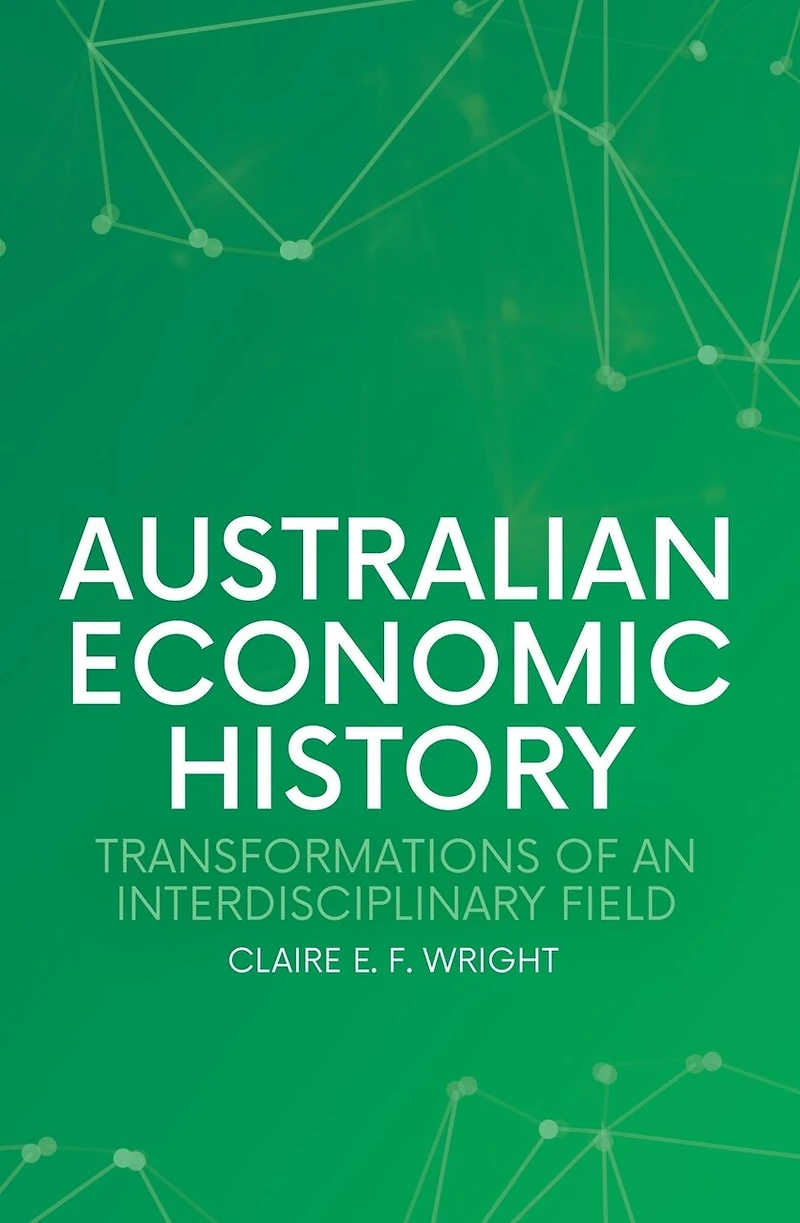
Australian Economic History: Transformations of an Interdisciplinary Field
Current price: $46.47

Australian Economic History: Transformations of an Interdisciplinary Field
Current price: $46.47
Loading Inventory...
Size: Paperback
*Product information may vary - to confirm product availability, pricing, shipping and return information please contact Indigo
In a time of pandemics, war and climate change, fostering knowledge that transcends disciplinary boundaries is more important than ever. Economic history is one of the world's oldest interdisciplinary fields, with its prosperity dependent on connection and relevance to disciplinary behemoths economics and history. Australian Economic History is the first history of an interdisciplinary field in Australia, and the first to set the field's progress within the structures of Australian universities. It highlights the lived experience of doing interdisciplinary research, and how scholars have navigated the opportunities and challenges of this form of knowledge. These lessons are vital for those seeking to develop robust interdisciplinary conversations now and in the future.
In a time of pandemics, war and climate change, fostering knowledge that transcends disciplinary boundaries is more important than ever. Economic history is one of the world's oldest interdisciplinary fields, with its prosperity dependent on connection and relevance to disciplinary behemoths economics and history. Australian Economic History is the first history of an interdisciplinary field in Australia, and the first to set the field's progress within the structures of Australian universities. It highlights the lived experience of doing interdisciplinary research, and how scholars have navigated the opportunities and challenges of this form of knowledge. These lessons are vital for those seeking to develop robust interdisciplinary conversations now and in the future.
You May Also Like









More About Indigo at Erin Mills Town Centre
The largest book retailer in Canada also offers toys, music, home décor, gifts and lifestyle products. What's Inside...Books, Magazines, CD’s and DVD’s, Toys and Gifts, Home Accents, Electronics, Baby’s and Children’s Section, Bath and Body, Kitchen and Bedroom, Stationary Located outside in the exterior plaza.
5015 Glen Erin Dr, Mississauga, ON L5M 0R7, Canada
Find Indigo at Erin Mills Town Centre in Mississauga ON
Visit Indigo at Erin Mills Town Centre in Mississauga ON