

GIVE THE PERFECT GIFT
Erin Mills Town Centre Gift Cards are the perfect choice for your gift giving needs.Purchase gift cards at kiosks near the food court or centre court, at Guest Services, or click below to purchase online.PURCHASE HEREHome
Authority and Meaning Indian Religions: Hinduism the Case of Valmiki
Indigo
Loading Inventory...
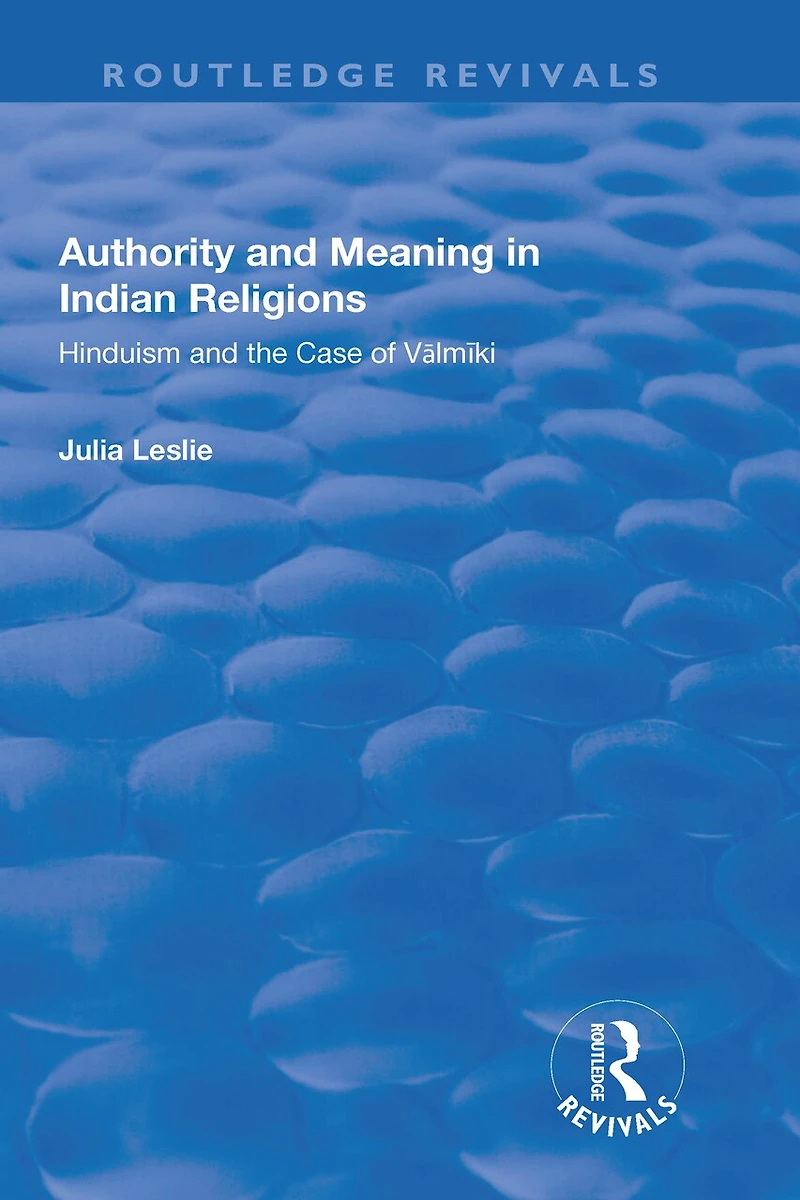
Authority and Meaning Indian Religions: Hinduism the Case of Valmiki
Current price: $73.95

Authority and Meaning Indian Religions: Hinduism the Case of Valmiki
Current price: $73.95
Loading Inventory...
Size: Hardcover
*Product information may vary - to confirm product availability, pricing, shipping and return information please contact Indigo
This title was first published in 2003. Can a text be used either to validate or to invalidate contemporary understandings? Texts may be deemed 'sacred', but sacred to whom? Do conflicting understandings matter? Is it appropriate to try to offer a resolution? For Hindus and non-Hindus, in India and beyond, Valmiki is the poet-saint who composed the epic Rà mà yaõa. Yet for a vocal community of dalits (once called 'untouchables'), within and outside India, Valmiki is God. How then does one explain the popular story that he started out as an ignorant and violent bandit, attacking and killing travellers for material gain? And what happens when these two accounts, Valmiki as God and Valmiki as villain, are held simultaneously by two different religious groups, both contemporary, and both vocal? This situation came to a head with controversial demonstrations by the Valmiki community in Britain in 2000, giving rise to some searching questions which Julia Leslie now seeks to address. Exploring the relationship between sacred text and religious meaning, Leslie presents a critical, text-historical study of the figure of Valmiki drawing on the sacred texts traditionally attributed to him: the Và lmãki Rà mà yaõa and the Yogavà siùñha Rà mà yaõa, both in Sanskrit. While identifying and examining the various strands of popular stories concerning Valmiki, Leslie disentangles the earliest evidence for him from the narrative threads of passing centuries, and considers the implications of that process. This ground-breaking analysis, illustrated with paintings of Valmiki, makes a unique contribution both to our understanding of the interlocking beliefs of many religious communities and to a greater awareness of the problematic relationship between sacred text and contemporary religious meaning. Invaluable to students of both the study of religions and South Asian studies, this book will also be of interest to Indian communities in the diaspora seeking to understand their roots, including (but not exclusively) the Valmikis.
This title was first published in 2003. Can a text be used either to validate or to invalidate contemporary understandings? Texts may be deemed 'sacred', but sacred to whom? Do conflicting understandings matter? Is it appropriate to try to offer a resolution? For Hindus and non-Hindus, in India and beyond, Valmiki is the poet-saint who composed the epic Rà mà yaõa. Yet for a vocal community of dalits (once called 'untouchables'), within and outside India, Valmiki is God. How then does one explain the popular story that he started out as an ignorant and violent bandit, attacking and killing travellers for material gain? And what happens when these two accounts, Valmiki as God and Valmiki as villain, are held simultaneously by two different religious groups, both contemporary, and both vocal? This situation came to a head with controversial demonstrations by the Valmiki community in Britain in 2000, giving rise to some searching questions which Julia Leslie now seeks to address. Exploring the relationship between sacred text and religious meaning, Leslie presents a critical, text-historical study of the figure of Valmiki drawing on the sacred texts traditionally attributed to him: the Và lmãki Rà mà yaõa and the Yogavà siùñha Rà mà yaõa, both in Sanskrit. While identifying and examining the various strands of popular stories concerning Valmiki, Leslie disentangles the earliest evidence for him from the narrative threads of passing centuries, and considers the implications of that process. This ground-breaking analysis, illustrated with paintings of Valmiki, makes a unique contribution both to our understanding of the interlocking beliefs of many religious communities and to a greater awareness of the problematic relationship between sacred text and contemporary religious meaning. Invaluable to students of both the study of religions and South Asian studies, this book will also be of interest to Indian communities in the diaspora seeking to understand their roots, including (but not exclusively) the Valmikis.
You May Also Like









More About Indigo at Erin Mills Town Centre
The largest book retailer in Canada also offers toys, music, home décor, gifts and lifestyle products. What's Inside...Books, Magazines, CD’s and DVD’s, Toys and Gifts, Home Accents, Electronics, Baby’s and Children’s Section, Bath and Body, Kitchen and Bedroom, Stationary Located outside in the exterior plaza.
5015 Glen Erin Dr, Mississauga, ON L5M 0R7, Canada
Find Indigo at Erin Mills Town Centre in Mississauga ON
Visit Indigo at Erin Mills Town Centre in Mississauga ON