

GIVE THE PERFECT GIFT
Erin Mills Town Centre Gift Cards are the perfect choice for your gift giving needs.Purchase gift cards at kiosks near the food court or centre court, at Guest Services, or click below to purchase online.PURCHASE HEREHome
Authors, Factions
Indigo
Loading Inventory...
Authors, Factions
Current price: $175.50

Authors, Factions
Current price: $175.50
Loading Inventory...
Size: Hardcover
*Product information may vary - to confirm product availability, pricing, shipping and return information please contact Indigo
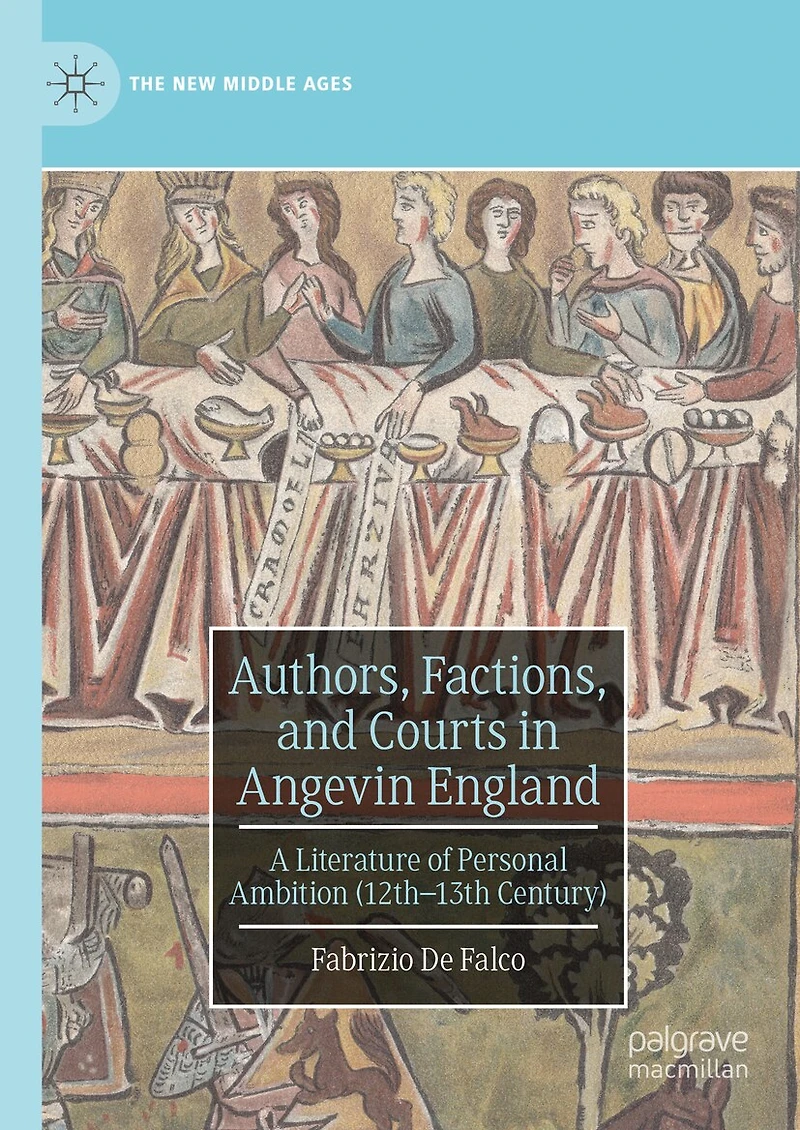
Authors, Factions, and Courts in Angevin England: A Literature of Personal Ambition (12th-13th Century) advances a model for historical study of courtly literature by foregrounding the personal aims, networks, and careers as the impetus for much of the period's literature. The book takes two authors as case studies - Gerald of Wales and Walter Map - to show how authors not only built their own stories but also used popular narratives and the tools of propaganda to achieve their own, personal goals. The purpose of this study is to overturn the top-down model of political patronage, in which patrons - and particularly royal patrons - set the cultural agenda and dictate literary tastes. Rather, Fabrizio De Falco argues that authors were often representative of many different interests expressed by local groups. To pursue those interests, they targeted specific political factions in the changeable political scenario of Angevin England. Their texts reveal a polycentric view of cultural production and its reception. The study aims to model a heuristic process which is applicable to other courtly texts besides the chosen case-studies.
Authors, Factions, and Courts in Angevin England: A Literature of Personal Ambition (12th-13th Century) advances a model for historical study of courtly literature by foregrounding the personal aims, networks, and careers as the impetus for much of the period's literature. The book takes two authors as case studies - Gerald of Wales and Walter Map - to show how authors not only built their own stories but also used popular narratives and the tools of propaganda to achieve their own, personal goals. The purpose of this study is to overturn the top-down model of political patronage, in which patrons - and particularly royal patrons - set the cultural agenda and dictate literary tastes. Rather, Fabrizio De Falco argues that authors were often representative of many different interests expressed by local groups. To pursue those interests, they targeted specific political factions in the changeable political scenario of Angevin England. Their texts reveal a polycentric view of cultural production and its reception. The study aims to model a heuristic process which is applicable to other courtly texts besides the chosen case-studies.
You May Also Like













More About Indigo at Erin Mills Town Centre
The largest book retailer in Canada also offers toys, music, home décor, gifts and lifestyle products. What's Inside...Books, Magazines, CD’s and DVD’s, Toys and Gifts, Home Accents, Electronics, Baby’s and Children’s Section, Bath and Body, Kitchen and Bedroom, Stationary Located outside in the exterior plaza.
5015 Glen Erin Dr, Mississauga, ON L5M 0R7, Canada
Find Indigo at Erin Mills Town Centre in Mississauga ON
Visit Indigo at Erin Mills Town Centre in Mississauga ON