

GIVE THE PERFECT GIFT
Erin Mills Town Centre Gift Cards are the perfect choice for your gift giving needs.Purchase gift cards at kiosks near the food court or centre court, at Guest Services, or click below to purchase online.PURCHASE HEREHome
Autonomy Support Beyond the Language Learning Classroom: A Self-Determination Theory Perspective
Indigo
Loading Inventory...
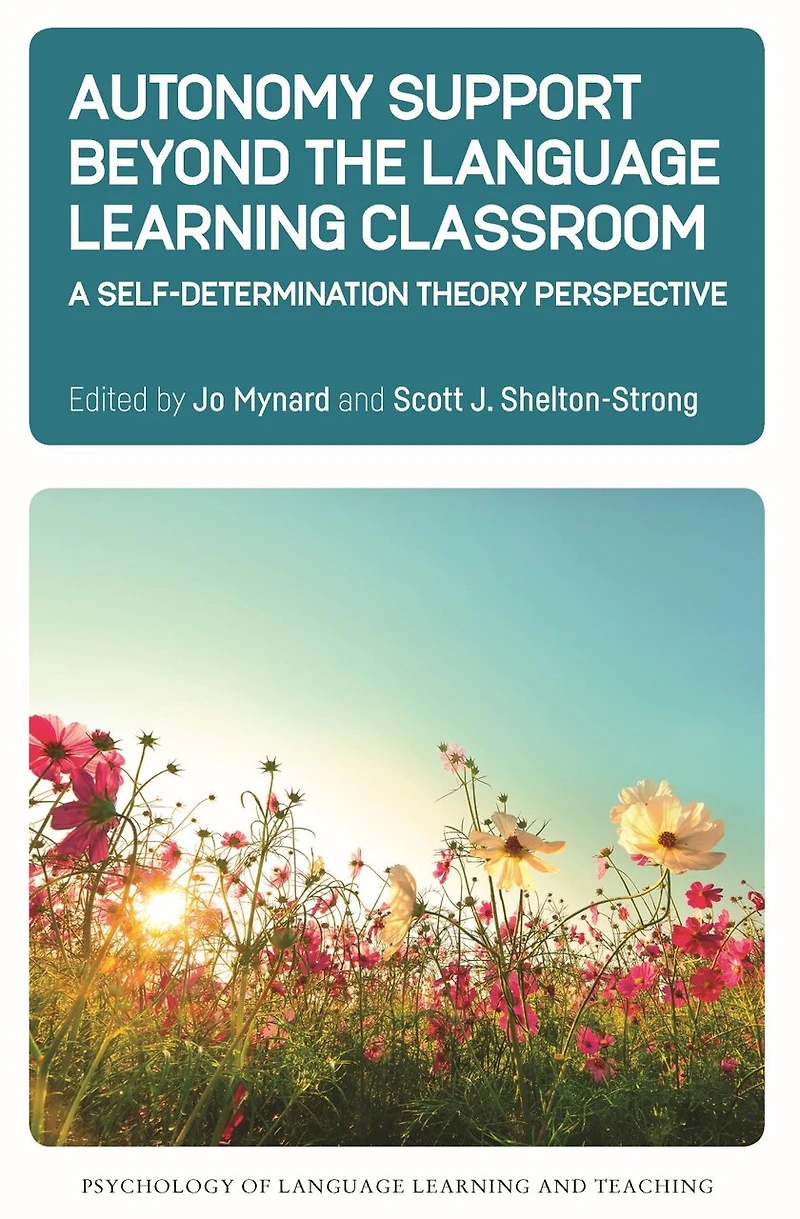
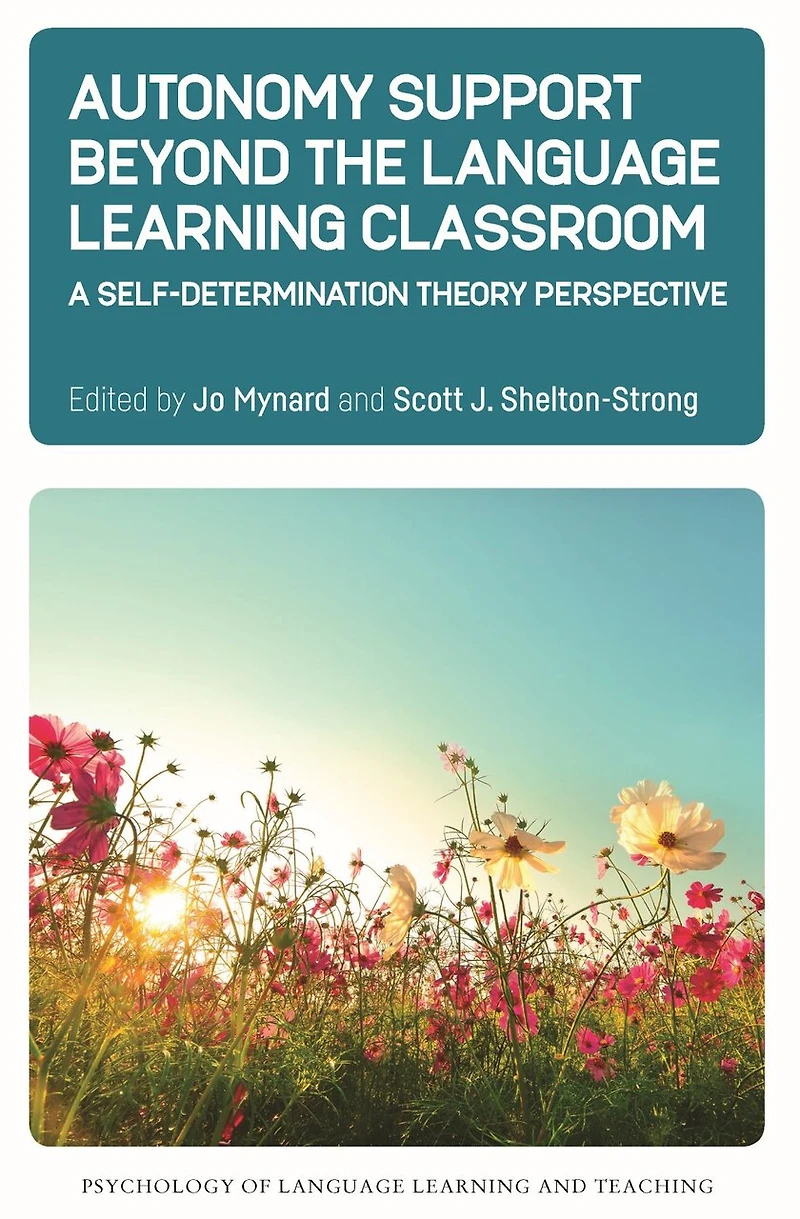
Autonomy Support Beyond the Language Learning Classroom: A Self-Determination Theory Perspective
Current price: $239.95

Autonomy Support Beyond the Language Learning Classroom: A Self-Determination Theory Perspective
Current price: $239.95
Loading Inventory...
Size: Hardcover
*Product information may vary - to confirm product availability, pricing, shipping and return information please contact Indigo
Through the application of self-determination theory (SDT) to research and practice, this book deepens our understanding of how autonomous language learning can be supported and understood within environments outside of the classroom. Theoretical, empirical and practice-focused chapters examine autonomy support in a range of contexts and settings, dealing with learning environments and open spaces, communities and relationships, and advising and self-access language learning. They reveal what occurs beyond the classroom, how socializing agents support autonomous motivation and wellness, and how SDT can enhance our understanding of supporting language learner autonomy. It will be of interest to language teachers, university lecturers and learning advisors who are providing support outside the classroom, as well as to graduate students and researchers who are working in the fields of applied linguistics and TESOL.
Through the application of self-determination theory (SDT) to research and practice, this book deepens our understanding of how autonomous language learning can be supported and understood within environments outside of the classroom. Theoretical, empirical and practice-focused chapters examine autonomy support in a range of contexts and settings, dealing with learning environments and open spaces, communities and relationships, and advising and self-access language learning. They reveal what occurs beyond the classroom, how socializing agents support autonomous motivation and wellness, and how SDT can enhance our understanding of supporting language learner autonomy. It will be of interest to language teachers, university lecturers and learning advisors who are providing support outside the classroom, as well as to graduate students and researchers who are working in the fields of applied linguistics and TESOL.
You May Also Like










More About Indigo at Erin Mills Town Centre
The largest book retailer in Canada also offers toys, music, home décor, gifts and lifestyle products. What's Inside...Books, Magazines, CD’s and DVD’s, Toys and Gifts, Home Accents, Electronics, Baby’s and Children’s Section, Bath and Body, Kitchen and Bedroom, Stationary Located outside in the exterior plaza.
5015 Glen Erin Dr, Mississauga, ON L5M 0R7, Canada
Find Indigo at Erin Mills Town Centre in Mississauga ON
Visit Indigo at Erin Mills Town Centre in Mississauga ON