

GIVE THE PERFECT GIFT
Erin Mills Town Centre Gift Cards are the perfect choice for your gift giving needs.Purchase gift cards at kiosks near the food court or centre court, at Guest Services, or click below to purchase online.PURCHASE HEREHome
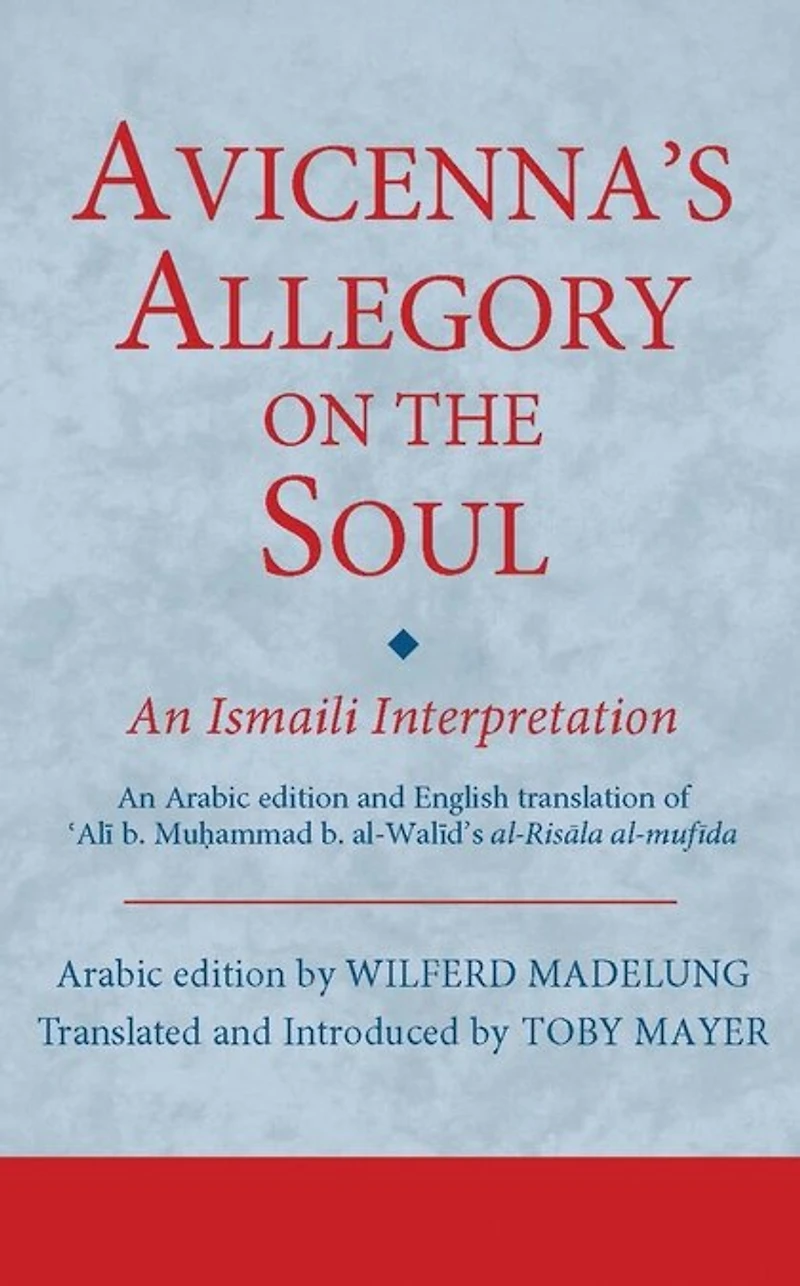
Avicenna's Allegory on the Soul: An Ismaili Interpretation
Indigo
Loading Inventory...
Avicenna's Allegory on the Soul: An Ismaili Interpretation
Current price: $80.50

Avicenna's Allegory on the Soul: An Ismaili Interpretation
Current price: $80.50
Loading Inventory...
Size: Hardcover
*Product information may vary - to confirm product availability, pricing, shipping and return information please contact Indigo
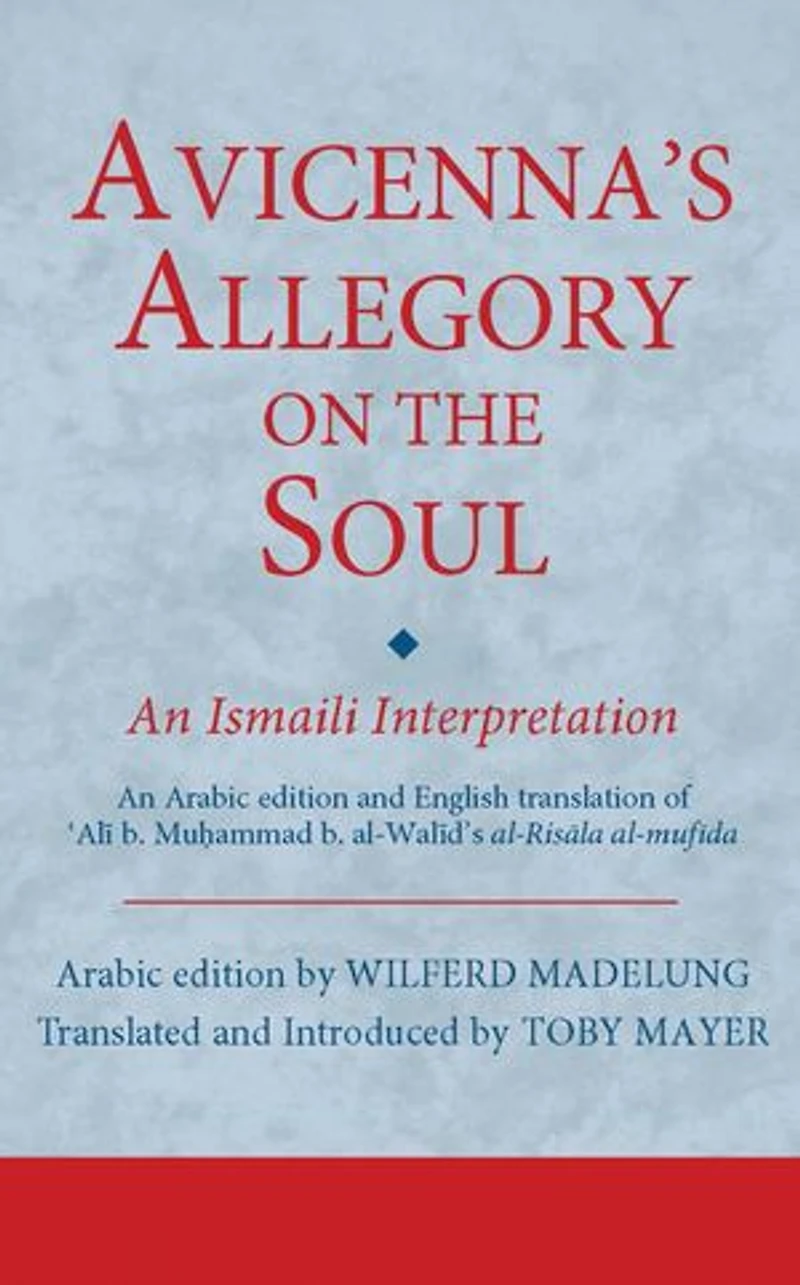
I.B.Tauris in association with the Institute of Ismaili Studies The Persian philosopher Ibn Sina (d. 1037), known in Europe as Avicenna, was arguably the greatest master of Aristotelian thought in the Muslim world. The symbolical Poem on the Soul (Qasidat al-nafs), which portrays all earthly human souls as in temporary exile from heaven, is traditionally attributed to Avicenna, and was received with enthusiasm by its commentators. A highly significant commentary on the Qasida was written by ?Ali b. Muhammad b. al-Walid (d. 1215 CE), a major early representative of the Tayyibi Ismaili tradition, which emerged and flourished in medieval Yemen. In his view, the poem encapsulated Tayyibi beliefs, whose doctrines bear striking parallels with late antique Gnosticism. Avicenna s Allegory on the Soul presents the first edition of the Arabic text of Ibn al-Walid s commentary, The Useful Epistle (al-Risala al-mufida), alongside an English translation and extended introduction. It offers invaluable insight into the intricacies of Muslim thought and a deeper understanding of Avicenna s substantial intellectual legacy."
I.B.Tauris in association with the Institute of Ismaili Studies The Persian philosopher Ibn Sina (d. 1037), known in Europe as Avicenna, was arguably the greatest master of Aristotelian thought in the Muslim world. The symbolical Poem on the Soul (Qasidat al-nafs), which portrays all earthly human souls as in temporary exile from heaven, is traditionally attributed to Avicenna, and was received with enthusiasm by its commentators. A highly significant commentary on the Qasida was written by ?Ali b. Muhammad b. al-Walid (d. 1215 CE), a major early representative of the Tayyibi Ismaili tradition, which emerged and flourished in medieval Yemen. In his view, the poem encapsulated Tayyibi beliefs, whose doctrines bear striking parallels with late antique Gnosticism. Avicenna s Allegory on the Soul presents the first edition of the Arabic text of Ibn al-Walid s commentary, The Useful Epistle (al-Risala al-mufida), alongside an English translation and extended introduction. It offers invaluable insight into the intricacies of Muslim thought and a deeper understanding of Avicenna s substantial intellectual legacy."
You May Also Like









More About Indigo at Erin Mills Town Centre
The largest book retailer in Canada also offers toys, music, home décor, gifts and lifestyle products. What's Inside...Books, Magazines, CD’s and DVD’s, Toys and Gifts, Home Accents, Electronics, Baby’s and Children’s Section, Bath and Body, Kitchen and Bedroom, Stationary Located outside in the exterior plaza.
5015 Glen Erin Dr, Mississauga, ON L5M 0R7, Canada
Find Indigo at Erin Mills Town Centre in Mississauga ON
Visit Indigo at Erin Mills Town Centre in Mississauga ON