

GIVE THE PERFECT GIFT
Erin Mills Town Centre Gift Cards are the perfect choice for your gift giving needs.Purchase gift cards at kiosks near the food court or centre court, at Guest Services, or click below to purchase online.PURCHASE HEREHome
B. R. Ambedkar: The man who gave hope to India's dispossessed
Indigo
Loading Inventory...
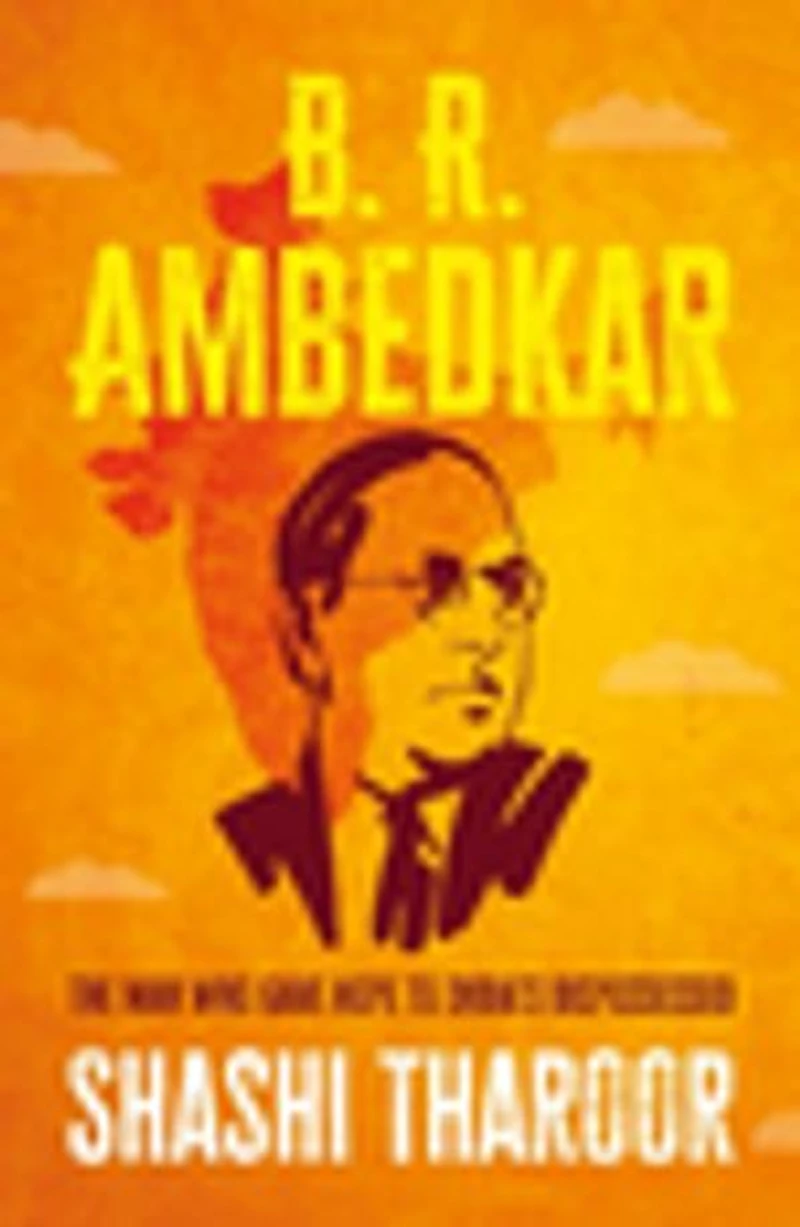
B. R. Ambedkar: The man who gave hope to India's dispossessed
Current price: $16.29
Original price: $20.29

B. R. Ambedkar: The man who gave hope to India's dispossessed
Current price: $16.29
Original price: $20.29
Loading Inventory...
Size: Kobo eBook
*Product information may vary - to confirm product availability, pricing, shipping and return information please contact Indigo
A household name throughout India, B. R. Ambedkar is one of the country’s most important figures, second only to Mahatma Gandhi. He played a major role in drafting the constitution for a newly independent India and led the fight against caste-based discrimination.
Ambedkar was born into a Dalit caste (the so-called ‘untouchables’), but his academic brilliance saw him study at Columbia University and London School of Economics. As a politician, he fought to overturn centuries of discrimination and promoted liberal constitutionalism in a traditionally illiberal society. He did more than anyone to articulate a cogent and enduring case for the principles of democracy in a country emerging from imperial rule.
This book is also a reminder of how far the practice of politics has strayed from the high standards Ambedkar set – of intellectual distinction, policy positions animated by serious scholarship, the infusion of moral values and the upholding of democracy for the many, not just the privileged few.
A household name throughout India, B. R. Ambedkar is one of the country’s most important figures, second only to Mahatma Gandhi. He played a major role in drafting the constitution for a newly independent India and led the fight against caste-based discrimination.
Ambedkar was born into a Dalit caste (the so-called ‘untouchables’), but his academic brilliance saw him study at Columbia University and London School of Economics. As a politician, he fought to overturn centuries of discrimination and promoted liberal constitutionalism in a traditionally illiberal society. He did more than anyone to articulate a cogent and enduring case for the principles of democracy in a country emerging from imperial rule.
This book is also a reminder of how far the practice of politics has strayed from the high standards Ambedkar set – of intellectual distinction, policy positions animated by serious scholarship, the infusion of moral values and the upholding of democracy for the many, not just the privileged few.
You May Also Like













More About Indigo at Erin Mills Town Centre
The largest book retailer in Canada also offers toys, music, home décor, gifts and lifestyle products. What's Inside...Books, Magazines, CD’s and DVD’s, Toys and Gifts, Home Accents, Electronics, Baby’s and Children’s Section, Bath and Body, Kitchen and Bedroom, Stationary Located outside in the exterior plaza.
5015 Glen Erin Dr, Mississauga, ON L5M 0R7, Canada
Find Indigo at Erin Mills Town Centre in Mississauga ON
Visit Indigo at Erin Mills Town Centre in Mississauga ON