

GIVE THE PERFECT GIFT
Erin Mills Town Centre Gift Cards are the perfect choice for your gift giving needs.Purchase gift cards at kiosks near the food court or centre court, at Guest Services, or click below to purchase online.PURCHASE HEREHome
Babylonians and Assyrians: Life and Customs
Indigo
Loading Inventory...
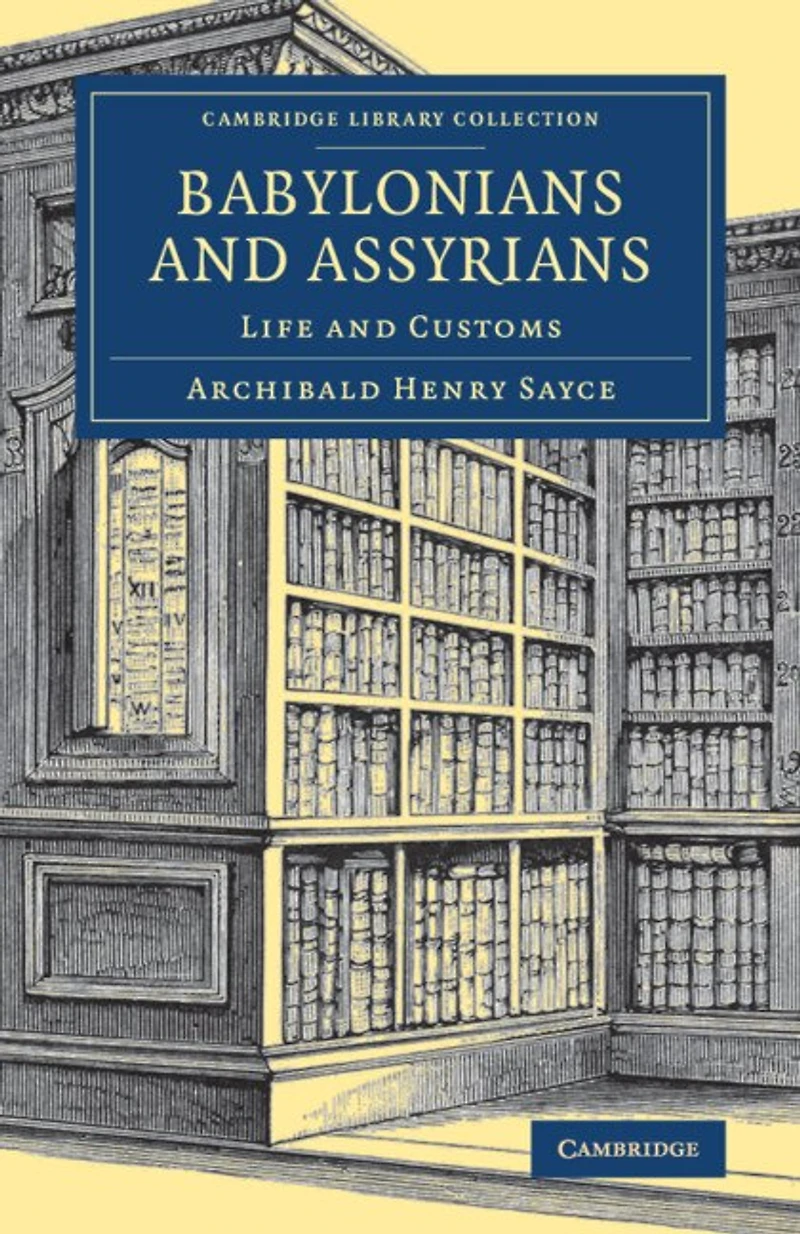
Babylonians and Assyrians: Life and Customs
Current price: $53.09

Babylonians and Assyrians: Life and Customs
Current price: $53.09
Loading Inventory...
Size: Paperback
*Product information may vary - to confirm product availability, pricing, shipping and return information please contact Indigo
Archibald Henry Sayce (1845–1933) became interested in Middle Eastern languages and scripts while still a teenager. Old Persian and Akkadian cuneiform had recently been deciphered, and popular enthusiasm for these discoveries was running high when Sayce began his academic career at Oxford in 1869. This work in 'The Semitic Series', intended to present 'a knowledge of the more important facts' in the history of the Near Eastern civilisations, was published in 1900. Sayce's account begins with the geographical and historical background, and then surveys life in the cities, from the family and its home to the government, the law and the army, economic issues such as slavery, prices and banking, the extent and relevance of literacy, and the importance of religion. Scholarly, but written for a popular audience, this work remains of relevance to anyone interested in studying the everyday lives of ordinary people in this ancient society.
Archibald Henry Sayce (1845–1933) became interested in Middle Eastern languages and scripts while still a teenager. Old Persian and Akkadian cuneiform had recently been deciphered, and popular enthusiasm for these discoveries was running high when Sayce began his academic career at Oxford in 1869. This work in 'The Semitic Series', intended to present 'a knowledge of the more important facts' in the history of the Near Eastern civilisations, was published in 1900. Sayce's account begins with the geographical and historical background, and then surveys life in the cities, from the family and its home to the government, the law and the army, economic issues such as slavery, prices and banking, the extent and relevance of literacy, and the importance of religion. Scholarly, but written for a popular audience, this work remains of relevance to anyone interested in studying the everyday lives of ordinary people in this ancient society.
You May Also Like







More About Indigo at Erin Mills Town Centre
The largest book retailer in Canada also offers toys, music, home décor, gifts and lifestyle products. What's Inside...Books, Magazines, CD’s and DVD’s, Toys and Gifts, Home Accents, Electronics, Baby’s and Children’s Section, Bath and Body, Kitchen and Bedroom, Stationary Located outside in the exterior plaza.
5015 Glen Erin Dr, Mississauga, ON L5M 0R7, Canada
Find Indigo at Erin Mills Town Centre in Mississauga ON
Visit Indigo at Erin Mills Town Centre in Mississauga ON