

GIVE THE PERFECT GIFT
Erin Mills Town Centre Gift Cards are the perfect choice for your gift giving needs.Purchase gift cards at kiosks near the food court or centre court, at Guest Services, or click below to purchase online.PURCHASE HEREHome
Backpropagation: Theory, Architectures, and Applications
Indigo
Loading Inventory...
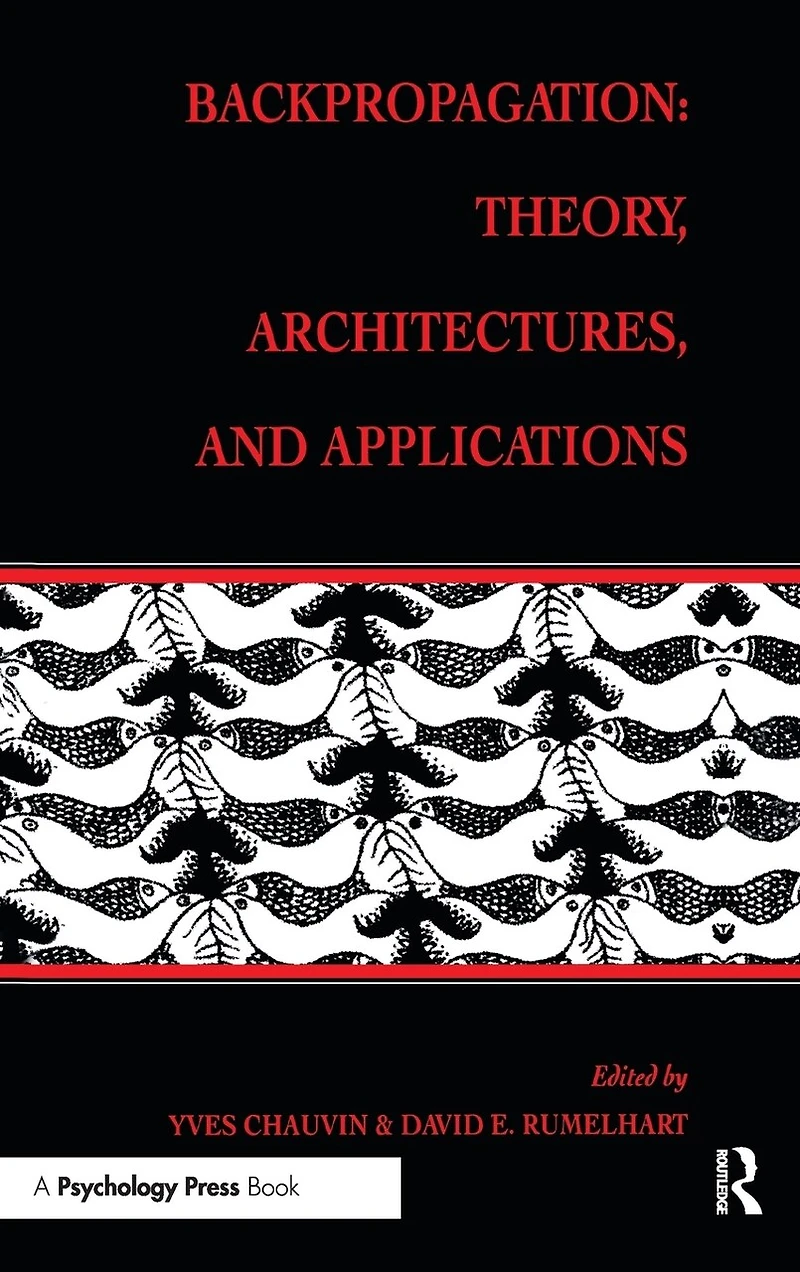
Backpropagation: Theory, Architectures, and Applications
Current price: $292.50

Backpropagation: Theory, Architectures, and Applications
Current price: $292.50
Loading Inventory...
Size: Hardcover
*Product information may vary - to confirm product availability, pricing, shipping and return information please contact Indigo
Composed of three sections, this book presents the most popular training algorithm for neural networks: backpropagation. The first section presents the theory and principles behind backpropagation as seen from different perspectives such as statistics, machine learning, and dynamical systems. The second presents a number of network architectures that may be designed to match the general concepts of Parallel Distributed Processing with backpropagation learning. Finally, the third section shows how these principles can be applied to a number of different fields related to the cognitive sciences, including control, speech recognition, robotics, image processing, and cognitive psychology. The volume is designed to provide both a solid theoretical foundation and a set of examples that show the versatility of the concepts. Useful to experts in the field, it should also be most helpful to students seeking to understand the basic principles of connectionist learning and to engineers wanting to add neural networks in general -- and backpropagation in particular -- to their set of problem-solving methods.
Composed of three sections, this book presents the most popular training algorithm for neural networks: backpropagation. The first section presents the theory and principles behind backpropagation as seen from different perspectives such as statistics, machine learning, and dynamical systems. The second presents a number of network architectures that may be designed to match the general concepts of Parallel Distributed Processing with backpropagation learning. Finally, the third section shows how these principles can be applied to a number of different fields related to the cognitive sciences, including control, speech recognition, robotics, image processing, and cognitive psychology. The volume is designed to provide both a solid theoretical foundation and a set of examples that show the versatility of the concepts. Useful to experts in the field, it should also be most helpful to students seeking to understand the basic principles of connectionist learning and to engineers wanting to add neural networks in general -- and backpropagation in particular -- to their set of problem-solving methods.
You May Also Like









More About Indigo at Erin Mills Town Centre
The largest book retailer in Canada also offers toys, music, home décor, gifts and lifestyle products. What's Inside...Books, Magazines, CD’s and DVD’s, Toys and Gifts, Home Accents, Electronics, Baby’s and Children’s Section, Bath and Body, Kitchen and Bedroom, Stationary Located outside in the exterior plaza.
5015 Glen Erin Dr, Mississauga, ON L5M 0R7, Canada
Find Indigo at Erin Mills Town Centre in Mississauga ON
Visit Indigo at Erin Mills Town Centre in Mississauga ON