

GIVE THE PERFECT GIFT
Erin Mills Town Centre Gift Cards are the perfect choice for your gift giving needs.Purchase gift cards at kiosks near the food court or centre court, at Guest Services, or click below to purchase online.PURCHASE HEREHome
Bad Water: Nature, Pollution, and Politics Japan, 1870-1950
Indigo
Loading Inventory...
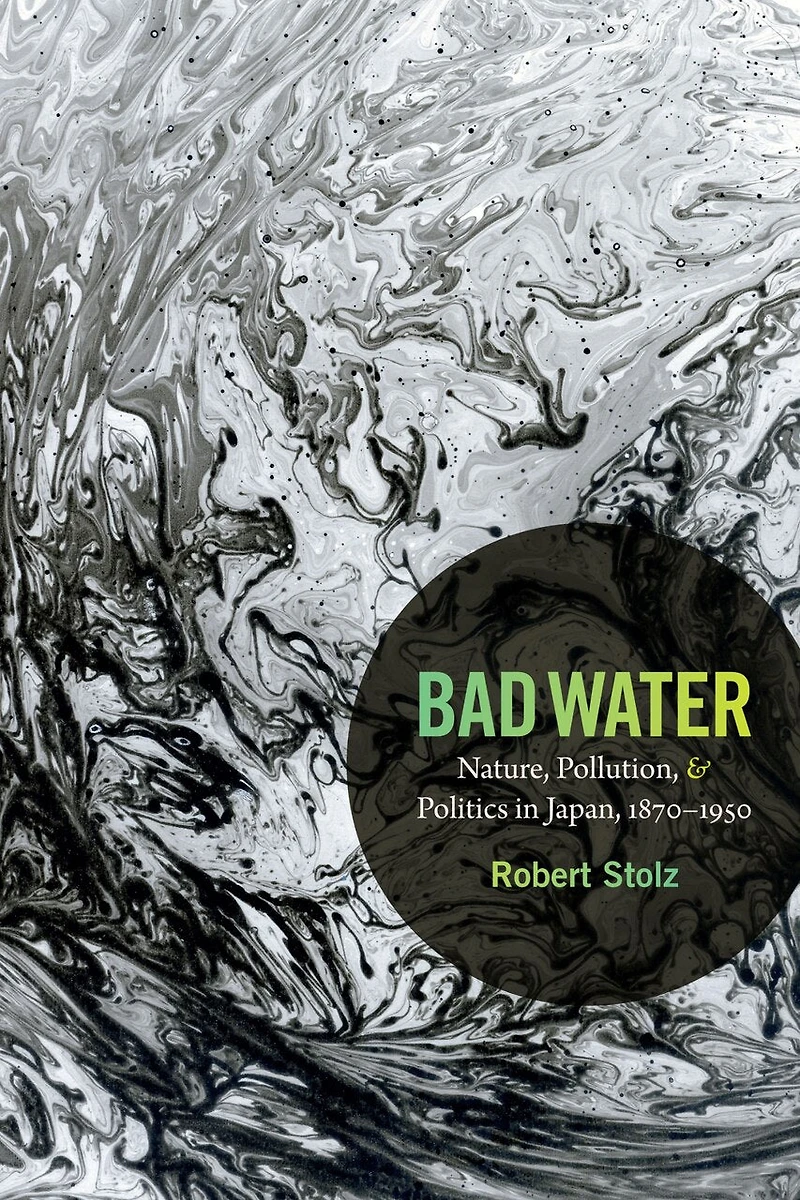
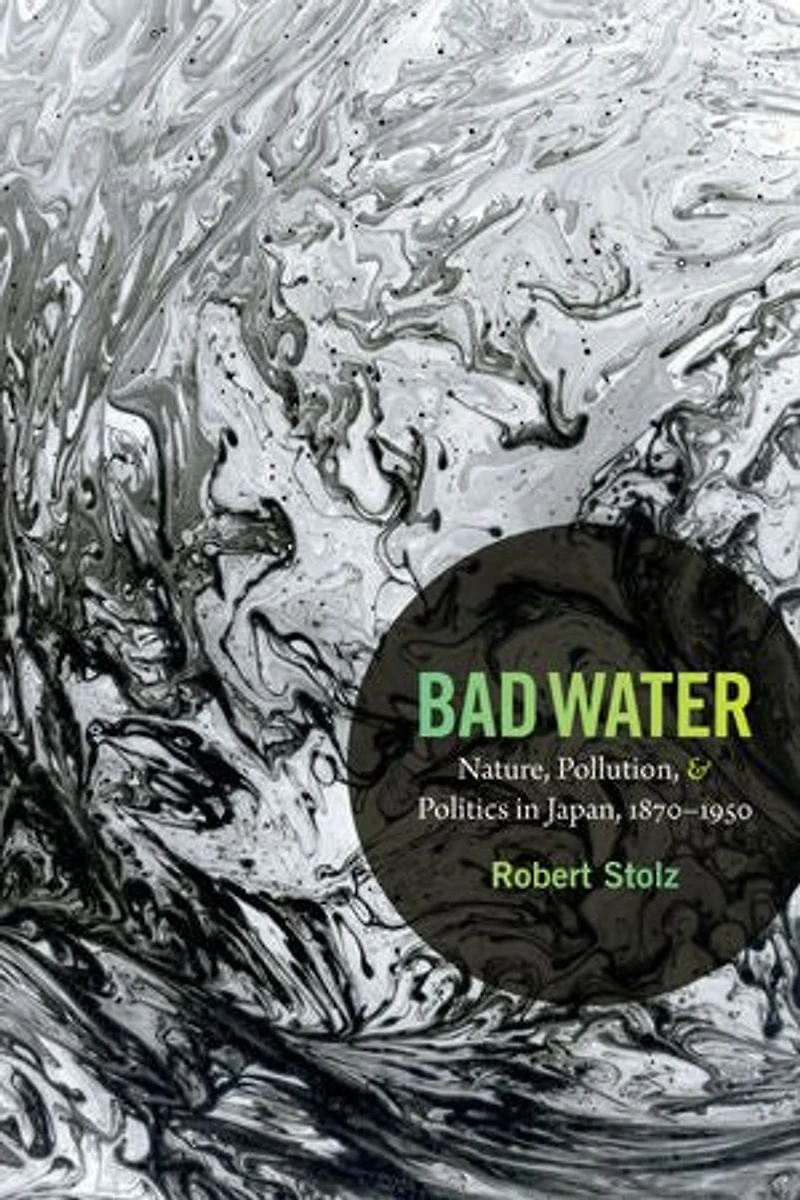
Bad Water: Nature, Pollution, and Politics Japan, 1870-1950
Current price: $181.95

Bad Water: Nature, Pollution, and Politics Japan, 1870-1950
Current price: $181.95
Loading Inventory...
Size: Hardcover
*Product information may vary - to confirm product availability, pricing, shipping and return information please contact Indigo
Bad Water is a sophisticated theoretical analysis of Japanese thinkers and activists' efforts to reintegrate the natural environment into Japan's social and political thought in the late nineteenth century and early twentieth. The need to incorporate nature into politics was revealed by a series of large-scale industrial disasters in the 1890s. The Ashio Copper Mine unleashed massive amounts of copper, arsenic, mercury, and other pollutants into surrounding watersheds. Robert Stolz argues that by forcefully demonstrating the mutual penetration of humans and nature, industrial pollution biologically and politically compromised the autonomous liberal subject underlying the political philosophy of the modernizing Meiji state. In the following decades, socialism, anarchism, fascism, and Confucian benevolence and moral economy were marshaled in the search for new theories of a modern political subject and a social organization adequate to the environmental crisis. With detailed considerations of several key environmental activists, including Tanaka Shōzō, Bad Water is a nuanced account of Japan's environmental turn, a historical moment when, for the first time, Japanese thinkers and activists experienced nature as alienated from themselves and were forced to rebuild the connections.
Bad Water is a sophisticated theoretical analysis of Japanese thinkers and activists' efforts to reintegrate the natural environment into Japan's social and political thought in the late nineteenth century and early twentieth. The need to incorporate nature into politics was revealed by a series of large-scale industrial disasters in the 1890s. The Ashio Copper Mine unleashed massive amounts of copper, arsenic, mercury, and other pollutants into surrounding watersheds. Robert Stolz argues that by forcefully demonstrating the mutual penetration of humans and nature, industrial pollution biologically and politically compromised the autonomous liberal subject underlying the political philosophy of the modernizing Meiji state. In the following decades, socialism, anarchism, fascism, and Confucian benevolence and moral economy were marshaled in the search for new theories of a modern political subject and a social organization adequate to the environmental crisis. With detailed considerations of several key environmental activists, including Tanaka Shōzō, Bad Water is a nuanced account of Japan's environmental turn, a historical moment when, for the first time, Japanese thinkers and activists experienced nature as alienated from themselves and were forced to rebuild the connections.
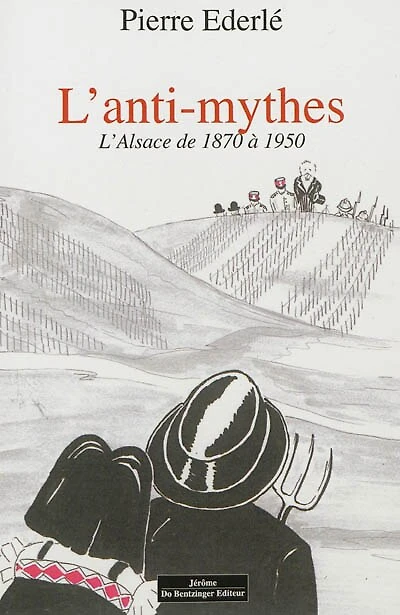
You May Also Like







More About Indigo at Erin Mills Town Centre
The largest book retailer in Canada also offers toys, music, home décor, gifts and lifestyle products. What's Inside...Books, Magazines, CD’s and DVD’s, Toys and Gifts, Home Accents, Electronics, Baby’s and Children’s Section, Bath and Body, Kitchen and Bedroom, Stationary Located outside in the exterior plaza.
5015 Glen Erin Dr, Mississauga, ON L5M 0R7, Canada
Find Indigo at Erin Mills Town Centre in Mississauga ON
Visit Indigo at Erin Mills Town Centre in Mississauga ON