

GIVE THE PERFECT GIFT
Erin Mills Town Centre Gift Cards are the perfect choice for your gift giving needs.Purchase gift cards at kiosks near the food court or centre court, at Guest Services, or click below to purchase online.PURCHASE HEREHome
Balancing Communities: Nation, State, and Protestant Christianity Korea, 1884-1942
Indigo
Loading Inventory...

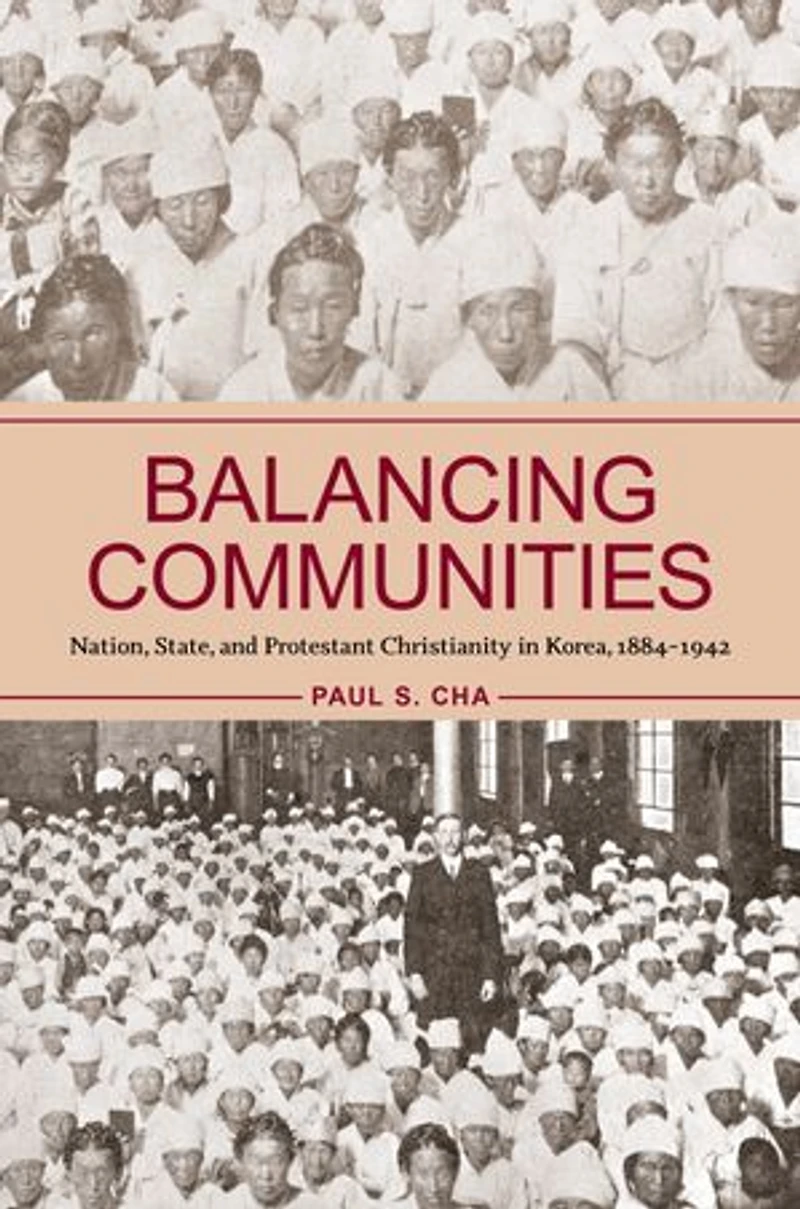
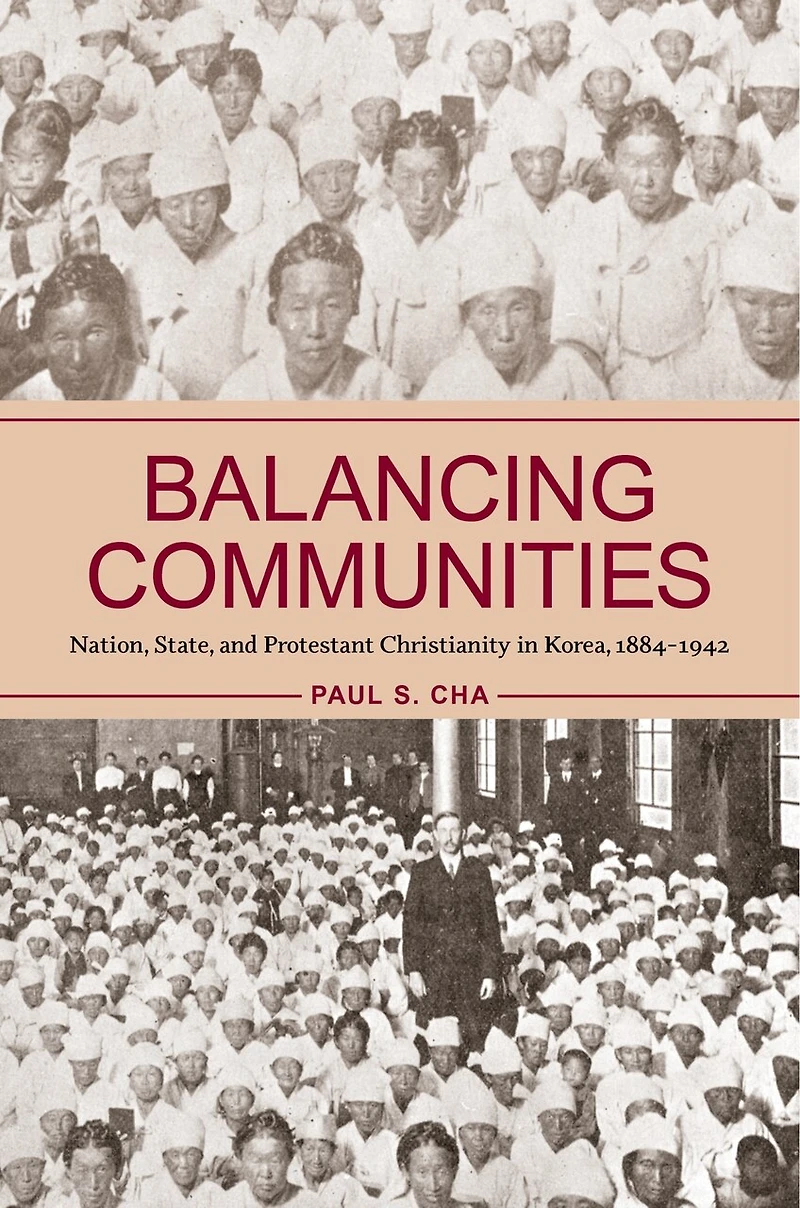
Balancing Communities: Nation, State, and Protestant Christianity Korea, 1884-1942
Current price: $85.00

Balancing Communities: Nation, State, and Protestant Christianity Korea, 1884-1942
Current price: $85.00
Loading Inventory...
Size: Hardcover
*Product information may vary - to confirm product availability, pricing, shipping and return information please contact Indigo
Starting in 1884 with the arrival of the first resident Protestant missionary in Korea and ending with the expulsion of missionaries from the peninsula by the Japanese colonial government in 1942, Balancing Communities examines how the competing demands of communal identities and memberships shaped the early history of Protestantism in Korea. In so doing, the author challenges the conventional history of Korean Protestantism in terms of its relationship to the (South) Korean nation-state. Conversion to Christianity granted Koreans membership in a faith-based organization that, at least in theory, transcended national and political boundaries. As a result, Korean Christians possessed dual membership in a transnational religious community and an earthly political state. Some strove to harmonize these two associations. Others privileged one membership over the other. Regardless, the potential for conflict was always present.
Balancing competing demands was not simply a Korean issue. Missionaries also struggled to reconcile their national allegiances, political identities, and religious partnerships with both Korean Christian leaders and government officials. Improperly calibrated communal demands produced conflict and instability among missionaries, Korean Christians, and the state. These demands led to struggles for control over social institutions such as hospitals and schools, incited schisms and debates over church membership, and challenged state power and social patterns. When they were balanced differently, these demands could lead to surprisingly stable and long-lasting relations. The price of this stability, however, was often the perpetuation of inequality, for the language of community masked the hierarchy of power embedded in these associations.
Scholars of both Korea and World Christianity have identified South Korea as a prime example of the “successful” spread of Christianity outside Euro-America in the nineteenth and twentieth centuries. Paul S. Cha interrogates the construction of Korean Protestantism and successfully argues that frameworks anchored to nationalism or the nation-state fail to capture the complexities of this religion’s history in Korea and the relationships that formed among Korean Christians, missionaries, and government officials, especially during the colonial period.
Starting in 1884 with the arrival of the first resident Protestant missionary in Korea and ending with the expulsion of missionaries from the peninsula by the Japanese colonial government in 1942, Balancing Communities examines how the competing demands of communal identities and memberships shaped the early history of Protestantism in Korea. In so doing, the author challenges the conventional history of Korean Protestantism in terms of its relationship to the (South) Korean nation-state. Conversion to Christianity granted Koreans membership in a faith-based organization that, at least in theory, transcended national and political boundaries. As a result, Korean Christians possessed dual membership in a transnational religious community and an earthly political state. Some strove to harmonize these two associations. Others privileged one membership over the other. Regardless, the potential for conflict was always present.
Balancing competing demands was not simply a Korean issue. Missionaries also struggled to reconcile their national allegiances, political identities, and religious partnerships with both Korean Christian leaders and government officials. Improperly calibrated communal demands produced conflict and instability among missionaries, Korean Christians, and the state. These demands led to struggles for control over social institutions such as hospitals and schools, incited schisms and debates over church membership, and challenged state power and social patterns. When they were balanced differently, these demands could lead to surprisingly stable and long-lasting relations. The price of this stability, however, was often the perpetuation of inequality, for the language of community masked the hierarchy of power embedded in these associations.
Scholars of both Korea and World Christianity have identified South Korea as a prime example of the “successful” spread of Christianity outside Euro-America in the nineteenth and twentieth centuries. Paul S. Cha interrogates the construction of Korean Protestantism and successfully argues that frameworks anchored to nationalism or the nation-state fail to capture the complexities of this religion’s history in Korea and the relationships that formed among Korean Christians, missionaries, and government officials, especially during the colonial period.
You May Also Like









More About Indigo at Erin Mills Town Centre
The largest book retailer in Canada also offers toys, music, home décor, gifts and lifestyle products. What's Inside...Books, Magazines, CD’s and DVD’s, Toys and Gifts, Home Accents, Electronics, Baby’s and Children’s Section, Bath and Body, Kitchen and Bedroom, Stationary Located outside in the exterior plaza.
5015 Glen Erin Dr, Mississauga, ON L5M 0R7, Canada
Find Indigo at Erin Mills Town Centre in Mississauga ON
Visit Indigo at Erin Mills Town Centre in Mississauga ON