

GIVE THE PERFECT GIFT
Erin Mills Town Centre Gift Cards are the perfect choice for your gift giving needs.Purchase gift cards at kiosks near the food court or centre court, at Guest Services, or click below to purchase online.PURCHASE HEREHome
Balthasar: A (Very) Critical Introduction
Indigo
Loading Inventory...
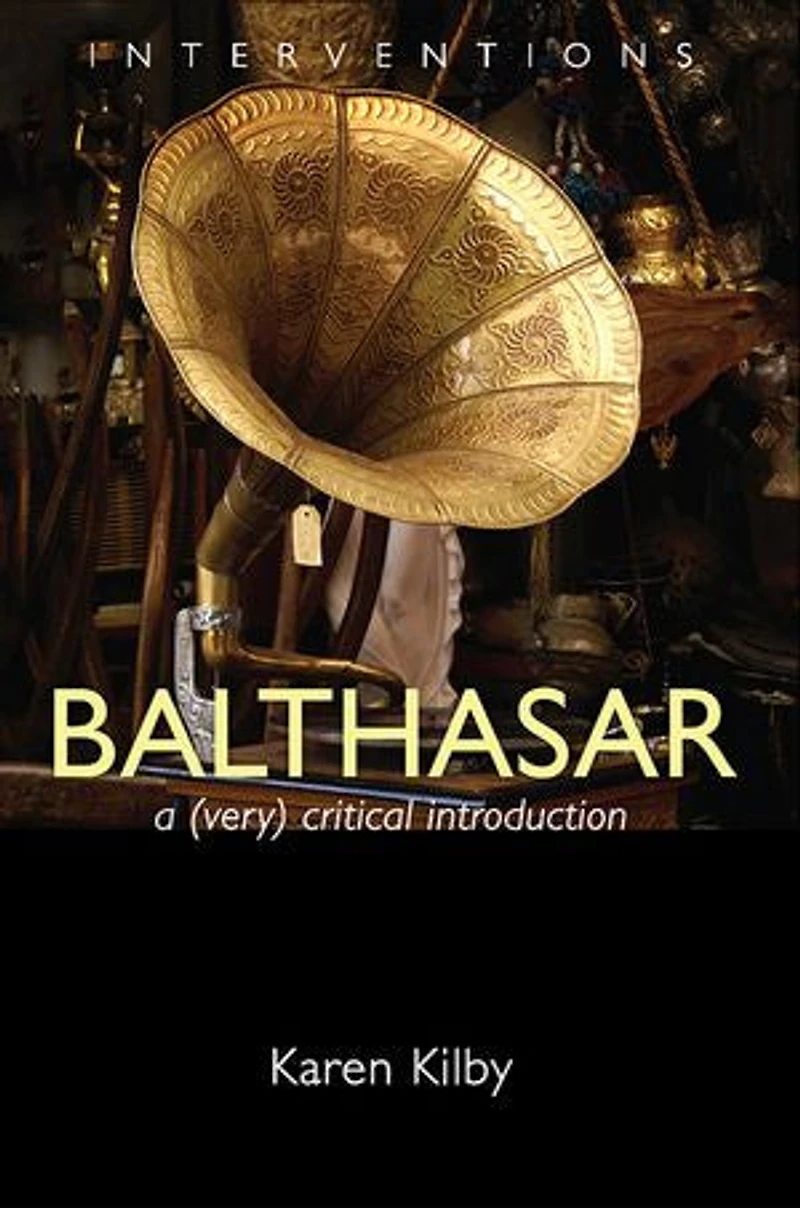
Balthasar: A (Very) Critical Introduction
Current price: $37.92

Balthasar: A (Very) Critical Introduction
Current price: $37.92
Loading Inventory...
Size: Kobo eBook
*Product information may vary - to confirm product availability, pricing, shipping and return information please contact Indigo
The enormously prolific Swiss Roman Catholic theologian Hans Urs von Balthasar (1905-1988) was marginalized during much of his life, but his reputation over time has only continued to grow. He was said to be the favorite theologian of John Paul II and is held in high esteem by Benedict XVI. It is not uncommon to hear him referred to as the great Catholic theologian of the twentieth century.
In Balthasar: A (Very) Critical Introduction Karen Kilby argues that although the low regard in which Balthasar was held from the 1950s to 1960s was not justified, neither is the current tendency to lionize him. Instead, she advocates a more balanced approach, particularly in light of a fundamental problem in his writing, namely, his characteristic authorial voice -- an over-reaching "God's eye" point of view that contradicts the content of his theology.
The enormously prolific Swiss Roman Catholic theologian Hans Urs von Balthasar (1905-1988) was marginalized during much of his life, but his reputation over time has only continued to grow. He was said to be the favorite theologian of John Paul II and is held in high esteem by Benedict XVI. It is not uncommon to hear him referred to as the great Catholic theologian of the twentieth century.
In Balthasar: A (Very) Critical Introduction Karen Kilby argues that although the low regard in which Balthasar was held from the 1950s to 1960s was not justified, neither is the current tendency to lionize him. Instead, she advocates a more balanced approach, particularly in light of a fundamental problem in his writing, namely, his characteristic authorial voice -- an over-reaching "God's eye" point of view that contradicts the content of his theology.
You May Also Like








More About Indigo at Erin Mills Town Centre
The largest book retailer in Canada also offers toys, music, home décor, gifts and lifestyle products. What's Inside...Books, Magazines, CD’s and DVD’s, Toys and Gifts, Home Accents, Electronics, Baby’s and Children’s Section, Bath and Body, Kitchen and Bedroom, Stationary Located outside in the exterior plaza.
5015 Glen Erin Dr, Mississauga, ON L5M 0R7, Canada
Find Indigo at Erin Mills Town Centre in Mississauga ON
Visit Indigo at Erin Mills Town Centre in Mississauga ON