

GIVE THE PERFECT GIFT
Erin Mills Town Centre Gift Cards are the perfect choice for your gift giving needs.Purchase gift cards at kiosks near the food court or centre court, at Guest Services, or click below to purchase online.PURCHASE HEREHome
Baltic Modernism: Architecture And Housing In Soviet Lithuania
Indigo
Loading Inventory...
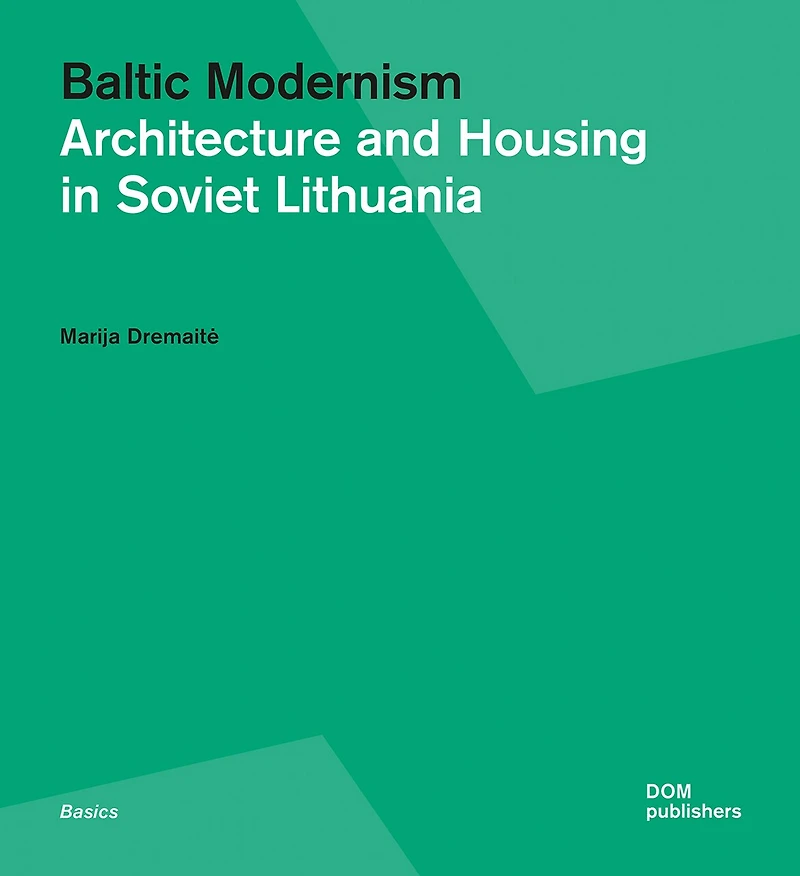
Baltic Modernism: Architecture And Housing In Soviet Lithuania
Current price: $51.99

Baltic Modernism: Architecture And Housing In Soviet Lithuania
Current price: $51.99
Loading Inventory...
Size: Paperback
*Product information may vary - to confirm product availability, pricing, shipping and return information please contact Indigo
This richly illustrated monograph discusses post-war modernist architecture in Soviet Lithuania which, together with other Baltic republics, has been seen as exceptional, appropriating Western cultural models much faster and with greater passion, and was labelled “the Soviet West.” Nevertheless, the matter of identifying the specific architectural traits that distinguished modernism in the Baltic region from that of other Soviet republics is not a simple exercise, and the specifi city of socialist modernism clearly requires a socialpolitical approach. In this book research on Soviet Lithuanian architecture relies on the relationship between official planning discourse and local social practice, and the wide range of historical actors in planning practices.
This richly illustrated monograph discusses post-war modernist architecture in Soviet Lithuania which, together with other Baltic republics, has been seen as exceptional, appropriating Western cultural models much faster and with greater passion, and was labelled “the Soviet West.” Nevertheless, the matter of identifying the specific architectural traits that distinguished modernism in the Baltic region from that of other Soviet republics is not a simple exercise, and the specifi city of socialist modernism clearly requires a socialpolitical approach. In this book research on Soviet Lithuanian architecture relies on the relationship between official planning discourse and local social practice, and the wide range of historical actors in planning practices.
You May Also Like







More About Indigo at Erin Mills Town Centre
The largest book retailer in Canada also offers toys, music, home décor, gifts and lifestyle products. What's Inside...Books, Magazines, CD’s and DVD’s, Toys and Gifts, Home Accents, Electronics, Baby’s and Children’s Section, Bath and Body, Kitchen and Bedroom, Stationary Located outside in the exterior plaza.
5015 Glen Erin Dr, Mississauga, ON L5M 0R7, Canada
Find Indigo at Erin Mills Town Centre in Mississauga ON
Visit Indigo at Erin Mills Town Centre in Mississauga ON