

GIVE THE PERFECT GIFT
Erin Mills Town Centre Gift Cards are the perfect choice for your gift giving needs.Purchase gift cards at kiosks near the food court or centre court, at Guest Services, or click below to purchase online.PURCHASE HEREHome
Baltimore in the Civil War: The Pratt Street Riot and a City Occupied
Indigo
Loading Inventory...
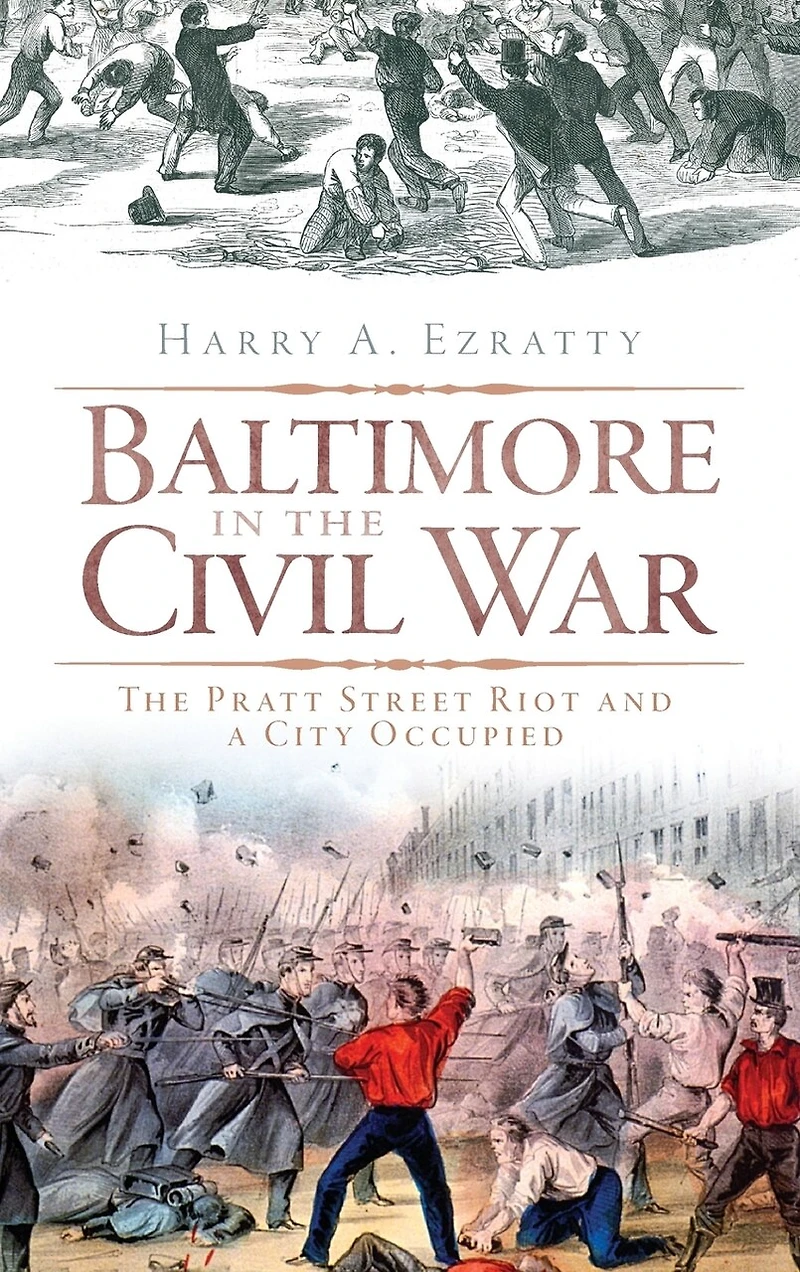
Baltimore in the Civil War: The Pratt Street Riot and a City Occupied
Current price: $36.99

Baltimore in the Civil War: The Pratt Street Riot and a City Occupied
Current price: $36.99
Loading Inventory...
Size: Hardcover
*Product information may vary - to confirm product availability, pricing, shipping and return information please contact Indigo
On April 19, 1861, the first blood of the Civil War was spilled in the streets of Baltimore. En route to Camden Station, Union forces were confronted by angry Southern sympathizers, and at Pratt Street the crowd rushed the troops, who responded with lethal volleys. Four soldiers and twelve Baltimoreans were left dead. Marylanders unsuccessfully attempted to further cut ties with the North by sabotaging roads, bridges and telegraph lines. In response to the "Battle of Baltimore," Lincoln declared martial law and withheld habeas corpus in much of the state. Author Harry Ezratty skillfully narrates the events of that day and their impact on the rest of the war, when Baltimore became a city occupied.
On April 19, 1861, the first blood of the Civil War was spilled in the streets of Baltimore. En route to Camden Station, Union forces were confronted by angry Southern sympathizers, and at Pratt Street the crowd rushed the troops, who responded with lethal volleys. Four soldiers and twelve Baltimoreans were left dead. Marylanders unsuccessfully attempted to further cut ties with the North by sabotaging roads, bridges and telegraph lines. In response to the "Battle of Baltimore," Lincoln declared martial law and withheld habeas corpus in much of the state. Author Harry Ezratty skillfully narrates the events of that day and their impact on the rest of the war, when Baltimore became a city occupied.
You May Also Like








More About Indigo at Erin Mills Town Centre
The largest book retailer in Canada also offers toys, music, home décor, gifts and lifestyle products. What's Inside...Books, Magazines, CD’s and DVD’s, Toys and Gifts, Home Accents, Electronics, Baby’s and Children’s Section, Bath and Body, Kitchen and Bedroom, Stationary Located outside in the exterior plaza.
5015 Glen Erin Dr, Mississauga, ON L5M 0R7, Canada
Find Indigo at Erin Mills Town Centre in Mississauga ON
Visit Indigo at Erin Mills Town Centre in Mississauga ON