

GIVE THE PERFECT GIFT
Erin Mills Town Centre Gift Cards are the perfect choice for your gift giving needs.Purchase gift cards at kiosks near the food court or centre court, at Guest Services, or click below to purchase online.PURCHASE HEREHome
Bapji: The King Who Would be Man
Indigo
Loading Inventory...
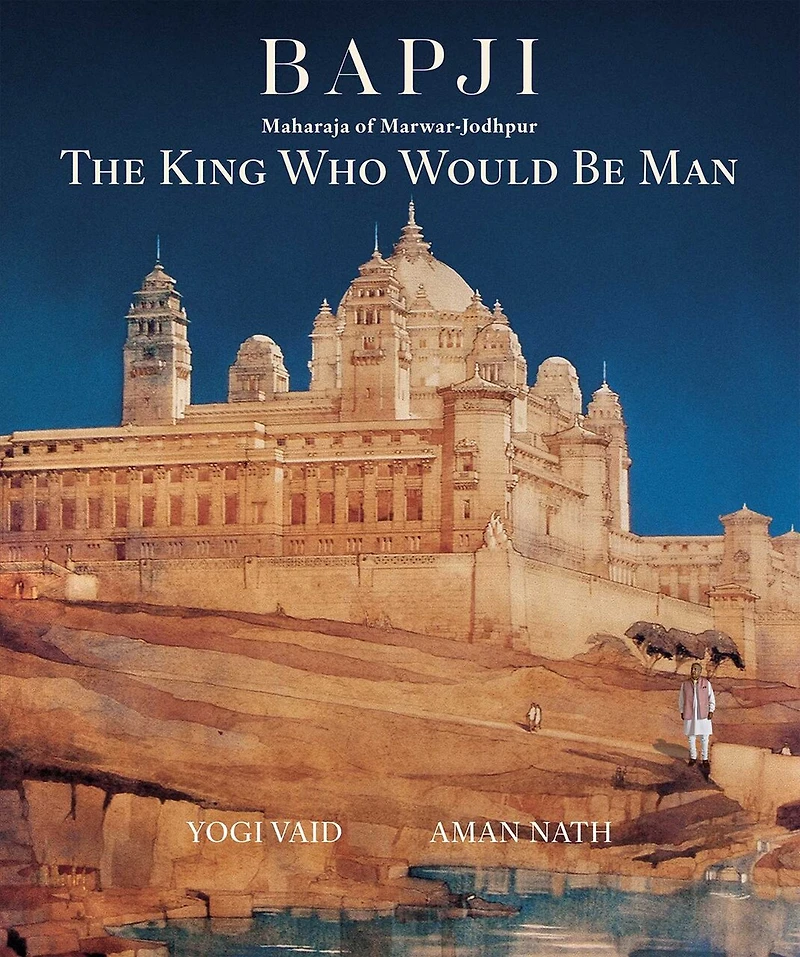
Bapji: The King Who Would be Man
Current price: $100.00

Bapji: The King Who Would be Man
Current price: $100.00
Loading Inventory...
Size: Hardcover
*Product information may vary - to confirm product availability, pricing, shipping and return information please contact Indigo
An intimate and evocative chronicle of Maharaja Gajsingh II of Marwar-Jodhpur— a man of his time, and for his people.
Bapji: The King Who Would Be Man is an intimate and evocative chronicle of Maharaja Gajsingh II of Marwar-Jodhpur—a sovereign born to grandeur, yet shaped by contemporary changes with traditional responsibilities. It narrates a parallel story of a man escalating from within history to a place in posterity, as well as de-escalating into democratic, contemporary times to be one among his people.
Set against the sweeping changes of post-colonial India, this is the story of a royal figure who does not cling to power, but channels his heritage into relevance and purpose. With grace and wisdom, he reconciles the solemnity of tradition with the demands of democracy, becoming not just a keeper of palaces and customs, but a king of conscience—a man of his time, and for his people.
An intimate and evocative chronicle of Maharaja Gajsingh II of Marwar-Jodhpur— a man of his time, and for his people.
Bapji: The King Who Would Be Man is an intimate and evocative chronicle of Maharaja Gajsingh II of Marwar-Jodhpur—a sovereign born to grandeur, yet shaped by contemporary changes with traditional responsibilities. It narrates a parallel story of a man escalating from within history to a place in posterity, as well as de-escalating into democratic, contemporary times to be one among his people.
Set against the sweeping changes of post-colonial India, this is the story of a royal figure who does not cling to power, but channels his heritage into relevance and purpose. With grace and wisdom, he reconciles the solemnity of tradition with the demands of democracy, becoming not just a keeper of palaces and customs, but a king of conscience—a man of his time, and for his people.
You May Also Like










More About Indigo at Erin Mills Town Centre
The largest book retailer in Canada also offers toys, music, home décor, gifts and lifestyle products. What's Inside...Books, Magazines, CD’s and DVD’s, Toys and Gifts, Home Accents, Electronics, Baby’s and Children’s Section, Bath and Body, Kitchen and Bedroom, Stationary Located outside in the exterior plaza.
5015 Glen Erin Dr, Mississauga, ON L5M 0R7, Canada
Find Indigo at Erin Mills Town Centre in Mississauga ON
Visit Indigo at Erin Mills Town Centre in Mississauga ON