

GIVE THE PERFECT GIFT
Erin Mills Town Centre Gift Cards are the perfect choice for your gift giving needs.Purchase gift cards at kiosks near the food court or centre court, at Guest Services, or click below to purchase online.PURCHASE HEREHome
Basic Concepts of Biblical Religion
Indigo
Loading Inventory...
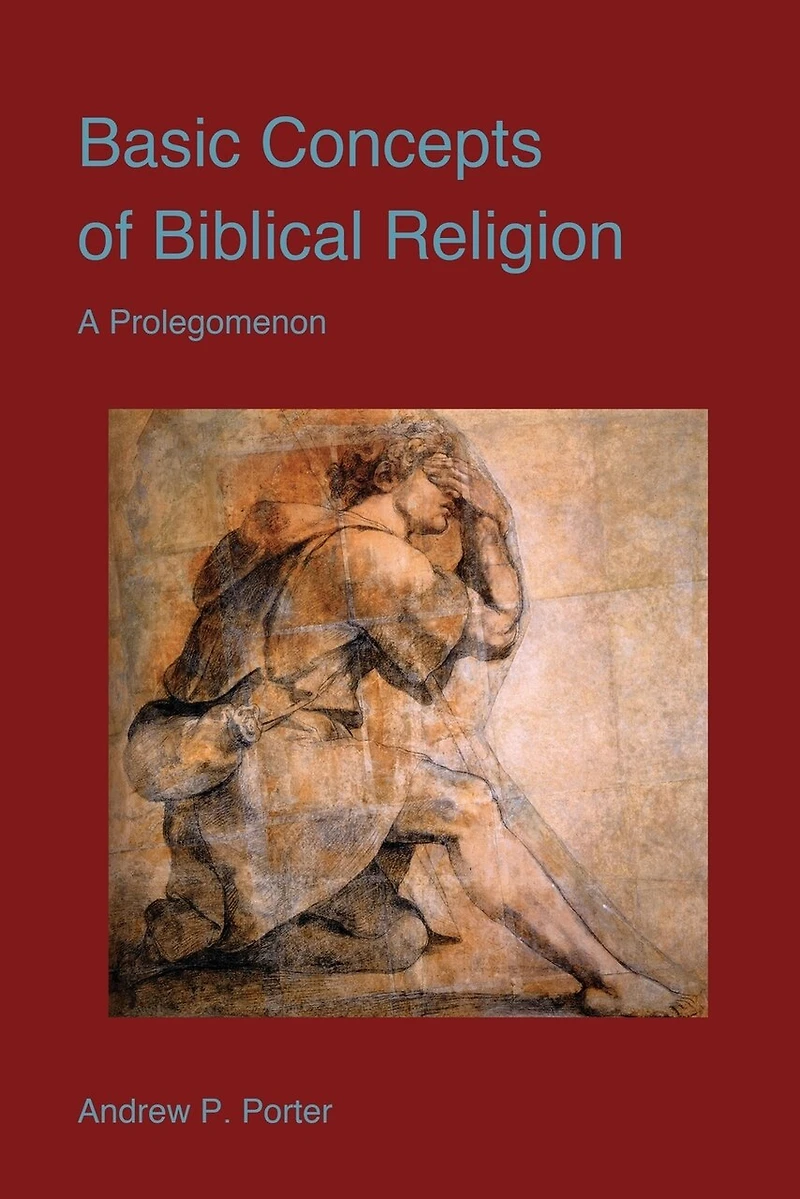
Basic Concepts of Biblical Religion
Current price: $22.95

Basic Concepts of Biblical Religion
Current price: $22.95
Loading Inventory...
Size: Paperback
*Product information may vary - to confirm product availability, pricing, shipping and return information please contact Indigo
Concepts taken for granted cause trouble later if they are forgotten. Biblical religion is world-affirming and historical. That means finding some positive construction for the pains of life, and finding the meaning of life in history. The Exodus is the backbone of the Bible: it holds together the Old Testament, and it is the model for the New Testament. Biblical religion is covenantal: it is a choice, not something that could be proven. As with Aquinas, acts of God do not interfere with nature, but transcendence builds on nature. At this point, it is possible to say a little about God; more belongs in theology, not in philosophical presuppositions. Andrew Porter holds doctorates in computational physics and philosophical theology, and has taught for the Center for Theology and the Natural Sciences in the Graduate Theological Union, Berkeley, CA.
Concepts taken for granted cause trouble later if they are forgotten. Biblical religion is world-affirming and historical. That means finding some positive construction for the pains of life, and finding the meaning of life in history. The Exodus is the backbone of the Bible: it holds together the Old Testament, and it is the model for the New Testament. Biblical religion is covenantal: it is a choice, not something that could be proven. As with Aquinas, acts of God do not interfere with nature, but transcendence builds on nature. At this point, it is possible to say a little about God; more belongs in theology, not in philosophical presuppositions. Andrew Porter holds doctorates in computational physics and philosophical theology, and has taught for the Center for Theology and the Natural Sciences in the Graduate Theological Union, Berkeley, CA.
You May Also Like







More About Indigo at Erin Mills Town Centre
The largest book retailer in Canada also offers toys, music, home décor, gifts and lifestyle products. What's Inside...Books, Magazines, CD’s and DVD’s, Toys and Gifts, Home Accents, Electronics, Baby’s and Children’s Section, Bath and Body, Kitchen and Bedroom, Stationary Located outside in the exterior plaza.
5015 Glen Erin Dr, Mississauga, ON L5M 0R7, Canada
Find Indigo at Erin Mills Town Centre in Mississauga ON
Visit Indigo at Erin Mills Town Centre in Mississauga ON