

GIVE THE PERFECT GIFT
Erin Mills Town Centre Gift Cards are the perfect choice for your gift giving needs.Purchase gift cards at kiosks near the food court or centre court, at Guest Services, or click below to purchase online.PURCHASE HEREHome
Basic Income in Korea and Beyond: Social, Economic, and Theological Perspectives
Indigo
Loading Inventory...
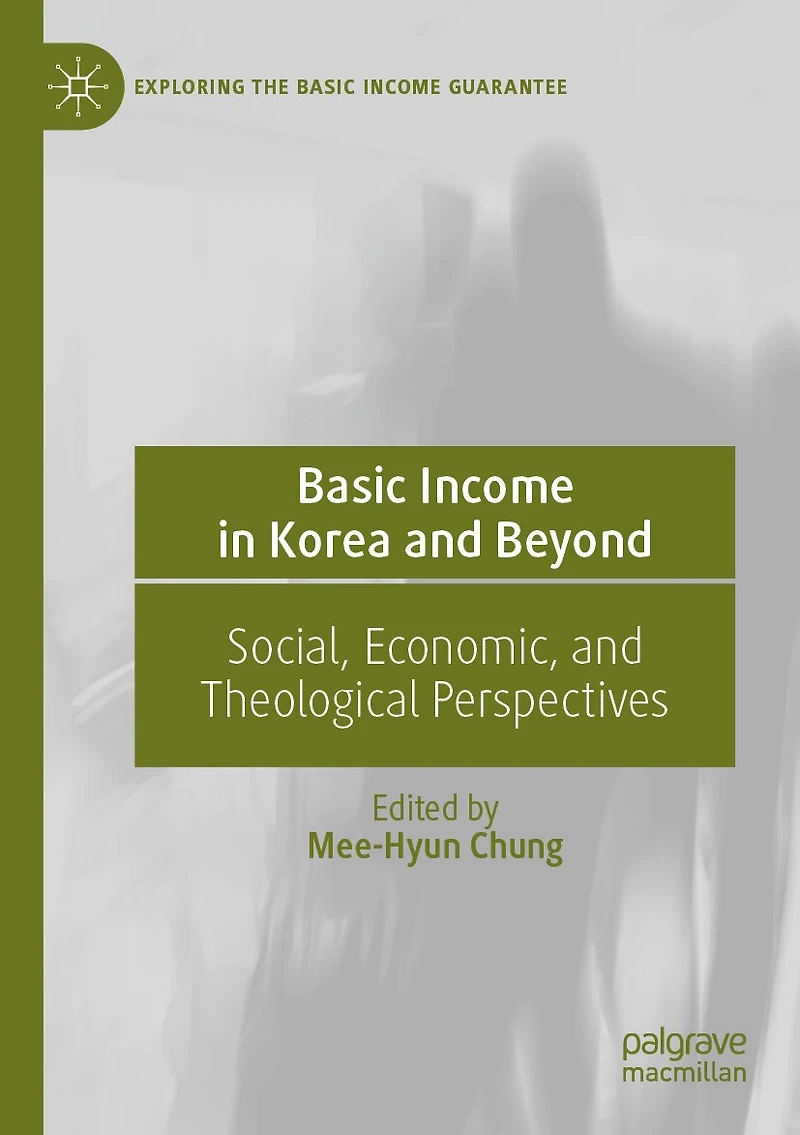
Basic Income in Korea and Beyond: Social, Economic, and Theological Perspectives
Current price: $291.95

Basic Income in Korea and Beyond: Social, Economic, and Theological Perspectives
Current price: $291.95
Loading Inventory...
Size: Paperback
*Product information may vary - to confirm product availability, pricing, shipping and return information please contact Indigo
This book shows that basic income is a powerful tool for realizing economic justice in our modern society. Through an interdisciplinary investigation of basic income in Korea, involving theological and social scientific perspectives, the book covers the topic of basic income on an academic basis, an economic basis, and in terms of its institutionalization potential. Although modern society is a global one, centered on the economic ideology of neo-liberalism, the negative effects of social polarization caused by this are quite severe. It is also urgent to come up with alternative solutions to the problems of labor reduction and wage labor. Moreover, the expansion of productivity through collaboration between humans and artificial intelligence also presents a challenge. An interdisciplinary study on the meaning and restructuring of labor is therefore needed. This book traces themes supporting the concept of basic income appearing in the Old and New Testaments, as well as precedents relating to basic income in the context of capitalism in the thought of the Reformers. Within the framework of Christian ethics, the book looks at the ideological basis for basic income and its applicability to the current situation in order to pursue economic justice. Additionally, the book examines the practical feasibility and rationale for basic income by discussing the economics of basic income financing and the political economy implications for how it can be applied to real politics.
This book shows that basic income is a powerful tool for realizing economic justice in our modern society. Through an interdisciplinary investigation of basic income in Korea, involving theological and social scientific perspectives, the book covers the topic of basic income on an academic basis, an economic basis, and in terms of its institutionalization potential. Although modern society is a global one, centered on the economic ideology of neo-liberalism, the negative effects of social polarization caused by this are quite severe. It is also urgent to come up with alternative solutions to the problems of labor reduction and wage labor. Moreover, the expansion of productivity through collaboration between humans and artificial intelligence also presents a challenge. An interdisciplinary study on the meaning and restructuring of labor is therefore needed. This book traces themes supporting the concept of basic income appearing in the Old and New Testaments, as well as precedents relating to basic income in the context of capitalism in the thought of the Reformers. Within the framework of Christian ethics, the book looks at the ideological basis for basic income and its applicability to the current situation in order to pursue economic justice. Additionally, the book examines the practical feasibility and rationale for basic income by discussing the economics of basic income financing and the political economy implications for how it can be applied to real politics.
You May Also Like











More About Indigo at Erin Mills Town Centre
The largest book retailer in Canada also offers toys, music, home décor, gifts and lifestyle products. What's Inside...Books, Magazines, CD’s and DVD’s, Toys and Gifts, Home Accents, Electronics, Baby’s and Children’s Section, Bath and Body, Kitchen and Bedroom, Stationary Located outside in the exterior plaza.
5015 Glen Erin Dr, Mississauga, ON L5M 0R7, Canada
Find Indigo at Erin Mills Town Centre in Mississauga ON
Visit Indigo at Erin Mills Town Centre in Mississauga ON