

GIVE THE PERFECT GIFT
Erin Mills Town Centre Gift Cards are the perfect choice for your gift giving needs.Purchase gift cards at kiosks near the food court or centre court, at Guest Services, or click below to purchase online.PURCHASE HEREHome
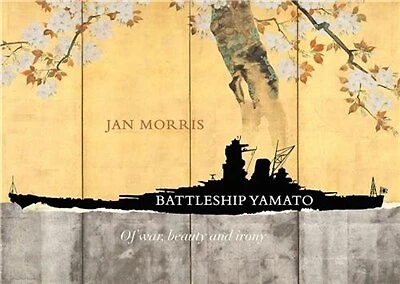
Battleship Yamato: Of War, Beauty And Irony
Indigo
Loading Inventory...
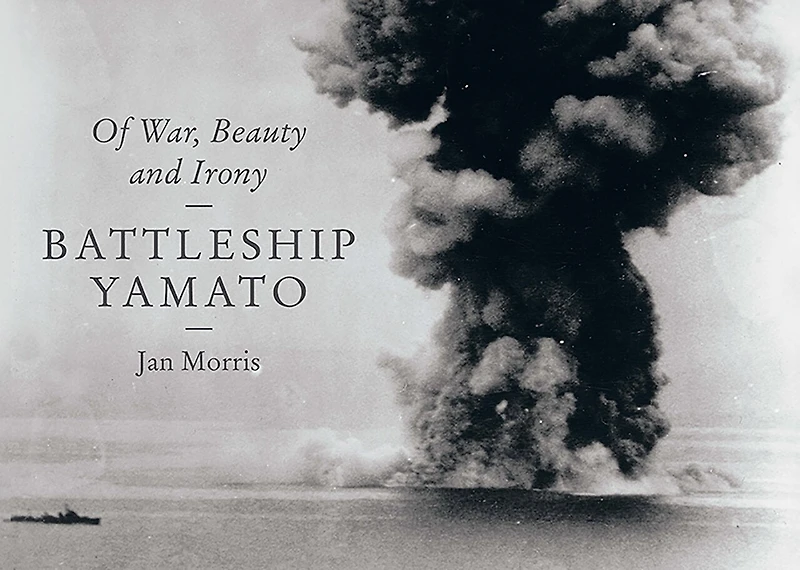
Battleship Yamato: Of War, Beauty And Irony
Current price: $21.95

Battleship Yamato: Of War, Beauty And Irony
Current price: $21.95
Loading Inventory...
Size: Hardcover
*Product information may vary - to confirm product availability, pricing, shipping and return information please contact Indigo
An extraordinary—and strikingly
illustrated—reflection on the meaning of
war from one of our greatest living writers.
The battleship Yamato , of the Imperial Japanese Navy, was the most powerful warship of World War II and represented the climax, as it were, of the Japanese warrior traditions of the samurai—the ideals of honor, discipline, and self-sacrifice that had immemorially ennobled the Japanese national consciousness. Stoically poised for battle in the spring of 1945—when even Japan’s last desperate technique of arms, the kamikaze , was running short— Yamato arose as the last magnificent arrow in the imperial quiver of Emperor Hirohito. Here, Jan Morris not only tells the dramatic story of the magnificent ship itself—from secret wartime launch to futile sacrifice at Okinawa—but, more fundamentally, interprets the ship as an allegorical figure of war itself, in its splendor and its squalor, its heroism and its waste. Drawing on rich naval history and rhapsodic metaphors from international music and art, Battleship Yamato is a work of grand ironic elegy.
An extraordinary—and strikingly
illustrated—reflection on the meaning of
war from one of our greatest living writers.
The battleship Yamato , of the Imperial Japanese Navy, was the most powerful warship of World War II and represented the climax, as it were, of the Japanese warrior traditions of the samurai—the ideals of honor, discipline, and self-sacrifice that had immemorially ennobled the Japanese national consciousness. Stoically poised for battle in the spring of 1945—when even Japan’s last desperate technique of arms, the kamikaze , was running short— Yamato arose as the last magnificent arrow in the imperial quiver of Emperor Hirohito. Here, Jan Morris not only tells the dramatic story of the magnificent ship itself—from secret wartime launch to futile sacrifice at Okinawa—but, more fundamentally, interprets the ship as an allegorical figure of war itself, in its splendor and its squalor, its heroism and its waste. Drawing on rich naval history and rhapsodic metaphors from international music and art, Battleship Yamato is a work of grand ironic elegy.
You May Also Like











More About Indigo at Erin Mills Town Centre
The largest book retailer in Canada also offers toys, music, home décor, gifts and lifestyle products. What's Inside...Books, Magazines, CD’s and DVD’s, Toys and Gifts, Home Accents, Electronics, Baby’s and Children’s Section, Bath and Body, Kitchen and Bedroom, Stationary Located outside in the exterior plaza.
5015 Glen Erin Dr, Mississauga, ON L5M 0R7, Canada
Find Indigo at Erin Mills Town Centre in Mississauga ON
Visit Indigo at Erin Mills Town Centre in Mississauga ON