

GIVE THE PERFECT GIFT
Erin Mills Town Centre Gift Cards are the perfect choice for your gift giving needs.Purchase gift cards at kiosks near the food court or centre court, at Guest Services, or click below to purchase online.PURCHASE HEREHome
Bayesianism and Scientific Reasoning
Indigo
Loading Inventory...
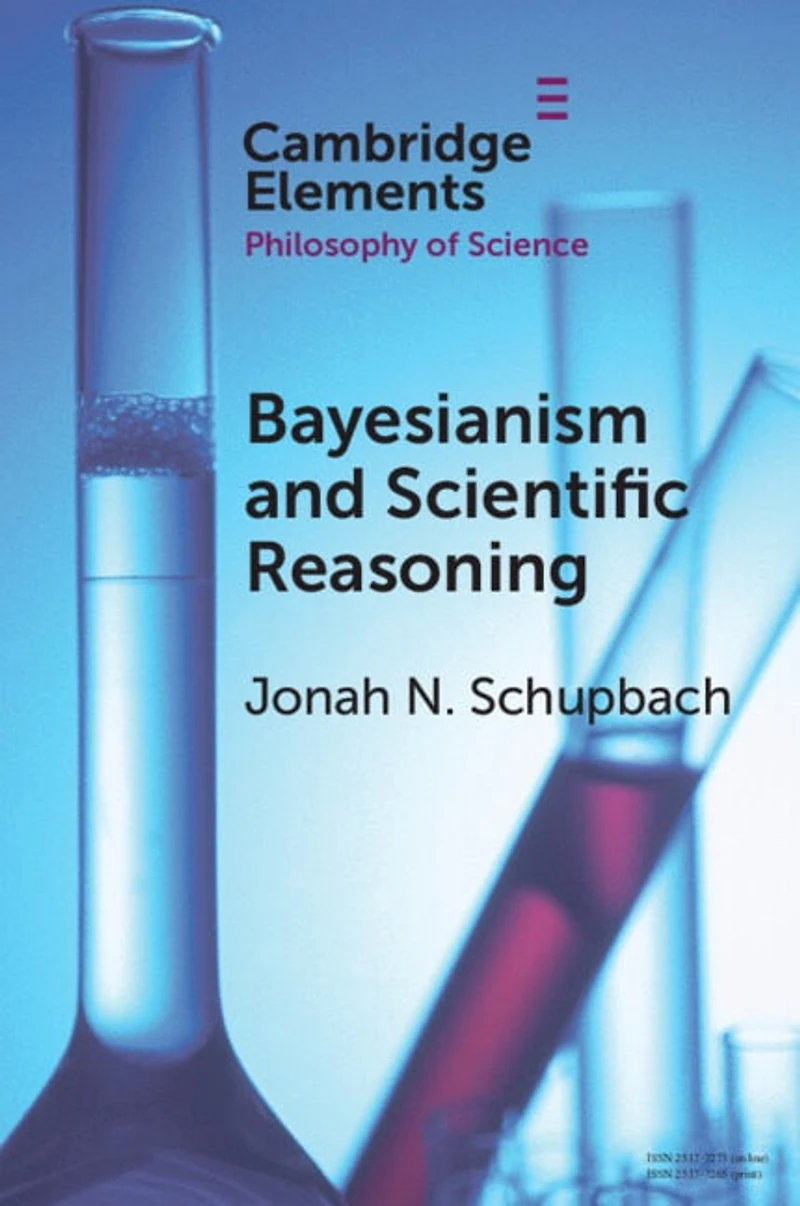
Bayesianism and Scientific Reasoning
Current price: $29.54

Bayesianism and Scientific Reasoning
Current price: $29.54
Loading Inventory...
Size: Paperback
*Product information may vary - to confirm product availability, pricing, shipping and return information please contact Indigo
This Element explores the Bayesian approach to the logic and epistemology of scientific reasoning. Section 1 introduces the probability calculus as an appealing generalization of classical logic for uncertain reasoning. Section 2 explores some of the vast terrain of Bayesian epistemology. Three epistemological postulates suggested by Thomas Bayes in his seminal work guide the exploration. This section discusses modern developments and defenses of these postulates as well as some important criticisms and complications that lie in wait for the Bayesian epistemologist. Section 3 applies the formal tools and principles of the first two sections to a handful of topics in the epistemology of scientific reasoning: confirmation, explanatory reasoning, evidential diversity and robustness analysis, hypothesis competition, and Ockham's Razor.
This Element explores the Bayesian approach to the logic and epistemology of scientific reasoning. Section 1 introduces the probability calculus as an appealing generalization of classical logic for uncertain reasoning. Section 2 explores some of the vast terrain of Bayesian epistemology. Three epistemological postulates suggested by Thomas Bayes in his seminal work guide the exploration. This section discusses modern developments and defenses of these postulates as well as some important criticisms and complications that lie in wait for the Bayesian epistemologist. Section 3 applies the formal tools and principles of the first two sections to a handful of topics in the epistemology of scientific reasoning: confirmation, explanatory reasoning, evidential diversity and robustness analysis, hypothesis competition, and Ockham's Razor.
You May Also Like









More About Indigo at Erin Mills Town Centre
The largest book retailer in Canada also offers toys, music, home décor, gifts and lifestyle products. What's Inside...Books, Magazines, CD’s and DVD’s, Toys and Gifts, Home Accents, Electronics, Baby’s and Children’s Section, Bath and Body, Kitchen and Bedroom, Stationary Located outside in the exterior plaza.
5015 Glen Erin Dr, Mississauga, ON L5M 0R7, Canada
Find Indigo at Erin Mills Town Centre in Mississauga ON
Visit Indigo at Erin Mills Town Centre in Mississauga ON