

GIVE THE PERFECT GIFT
Erin Mills Town Centre Gift Cards are the perfect choice for your gift giving needs.Purchase gift cards at kiosks near the food court or centre court, at Guest Services, or click below to purchase online.PURCHASE HEREHome
Becoming Friends of Time: Disability, Timefullness, and Gentle Discipleship
Indigo
Loading Inventory...
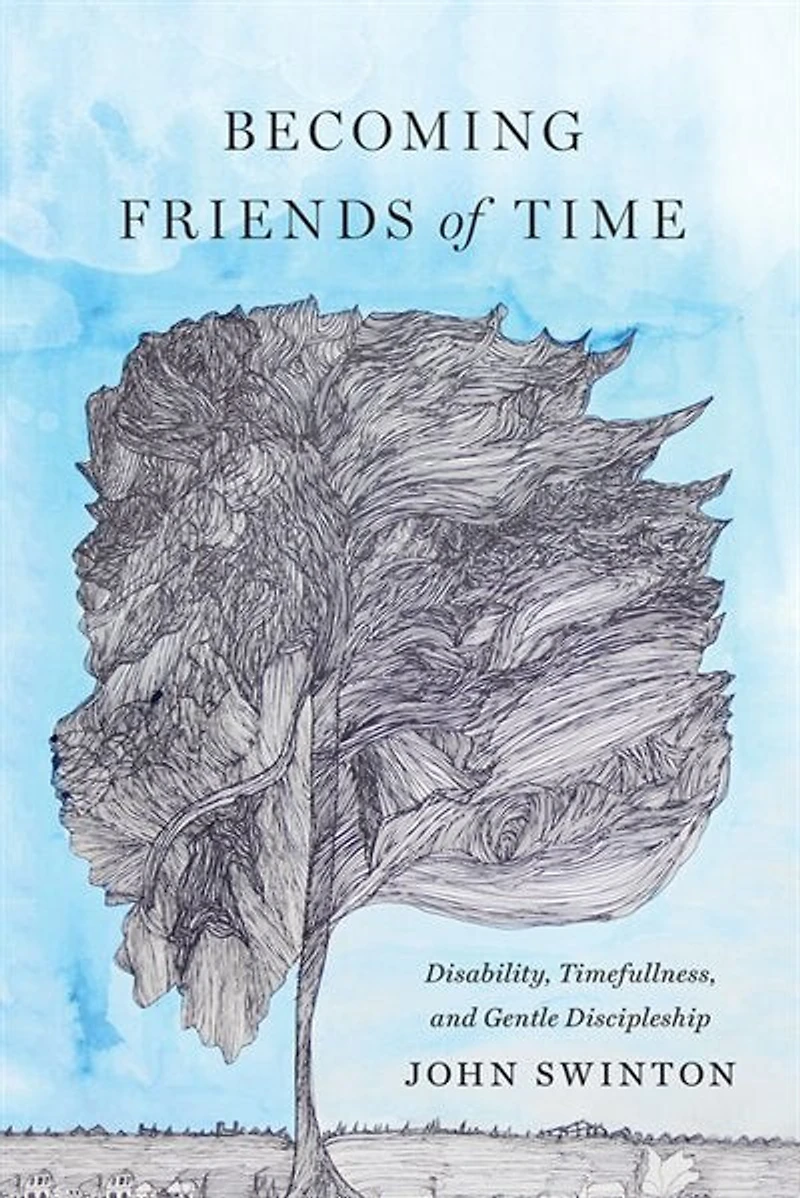
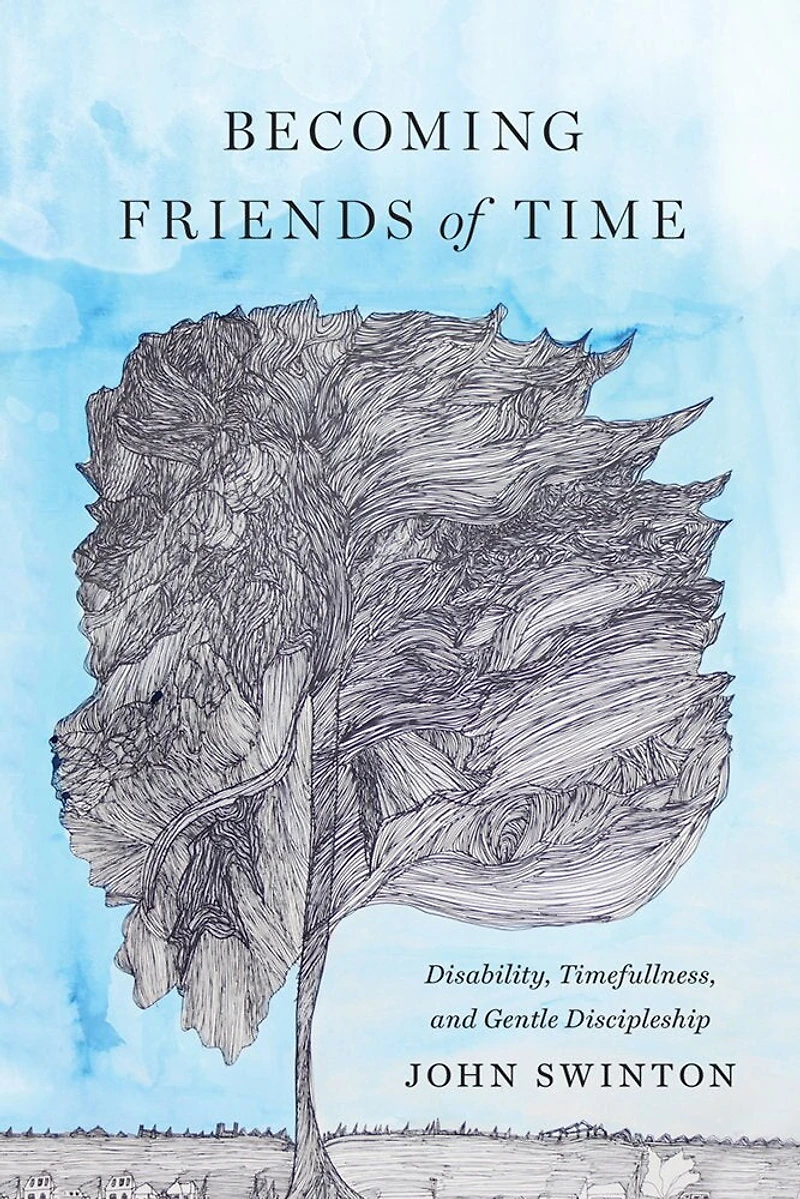
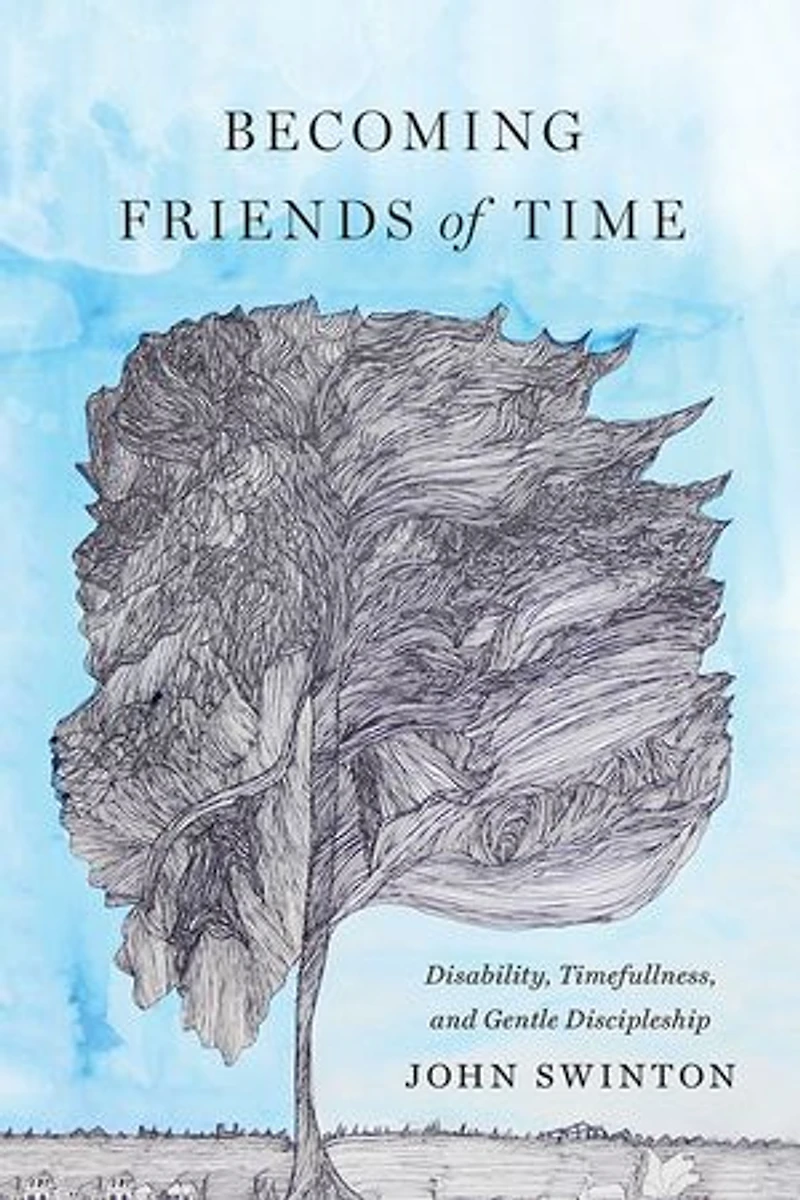
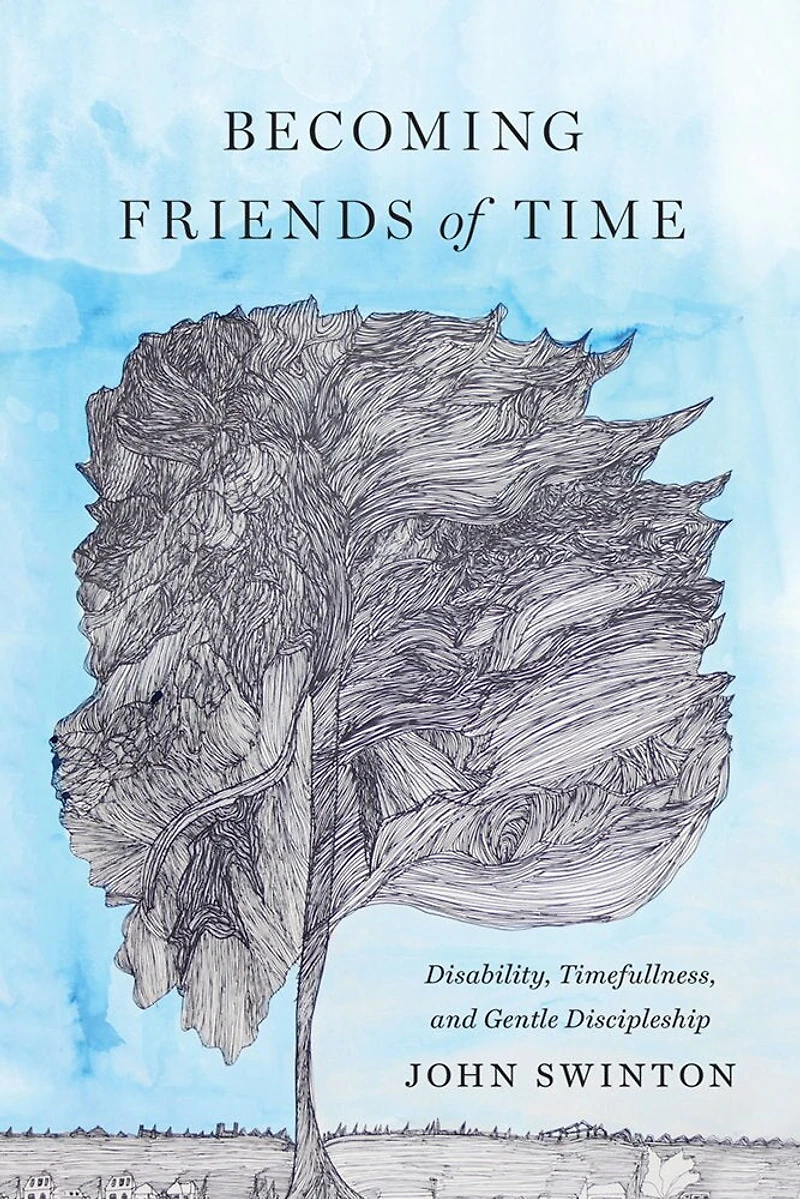
Becoming Friends of Time: Disability, Timefullness, and Gentle Discipleship
Current price: $55.95

Becoming Friends of Time: Disability, Timefullness, and Gentle Discipleship
Current price: $55.95
Loading Inventory...
Size: Hardcover (2016)
*Product information may vary - to confirm product availability, pricing, shipping and return information please contact Indigo
Time is central to all that humans do. Time structures days, provides goals, shapes dreams--and limits lives. Time appears to be tangible, real, and progressive, but, in the end, time proves illusory.Though mercurial, time can be deadly for those with disabilities.To participate fully in human society has come to mean yielding to the criterion of the clock. The absence of thinking rapidly, living punctually, and biographical narration leaves persons with disabilities vulnerable. A worldview driven by the demands the clock makes on the lives of those with dementia or profound neurological and intellectual disabilities seems pointless.
And yet, Jesus comes to the world to transform time. Jesus calls us to slow down, take time, and learn to recognize the strangeness of living within God?s time. He calls us to be gentle, patient, kind; to walk slowly and timefully with those whom society desires to leave behind.
In Becoming Friends of Time , John Swinton crafts a theology of time that draws us toward a perspective wherein time is a gift and a calling. Time is not a commodity nor is time to be mastered. Time is a gift of God to humans, but is also a gift given back to God by humans.
Swinton wrestles with critical questions that emerge from theological reflection on time and disability: rethinking doctrine for those who can never grasp Jesus with their intellects; reimagining discipleship and vocation for those who have forgotten who Jesus is; reconsidering salvation for those who, due to neurological damage, can be one person at one time and then be someone else in an instant. In the end, Swinton invites the reader to spend time with the experiences of people with profound neurological disability, people who can change our perceptions of time, enable us to grasp the fruitful rhythms of God?s time, and help us learn to live in ways that are unimaginable within the boundaries of the time of the clock.
Time is central to all that humans do. Time structures days, provides goals, shapes dreams--and limits lives. Time appears to be tangible, real, and progressive, but, in the end, time proves illusory.Though mercurial, time can be deadly for those with disabilities.To participate fully in human society has come to mean yielding to the criterion of the clock. The absence of thinking rapidly, living punctually, and biographical narration leaves persons with disabilities vulnerable. A worldview driven by the demands the clock makes on the lives of those with dementia or profound neurological and intellectual disabilities seems pointless.
And yet, Jesus comes to the world to transform time. Jesus calls us to slow down, take time, and learn to recognize the strangeness of living within God?s time. He calls us to be gentle, patient, kind; to walk slowly and timefully with those whom society desires to leave behind.
In Becoming Friends of Time , John Swinton crafts a theology of time that draws us toward a perspective wherein time is a gift and a calling. Time is not a commodity nor is time to be mastered. Time is a gift of God to humans, but is also a gift given back to God by humans.
Swinton wrestles with critical questions that emerge from theological reflection on time and disability: rethinking doctrine for those who can never grasp Jesus with their intellects; reimagining discipleship and vocation for those who have forgotten who Jesus is; reconsidering salvation for those who, due to neurological damage, can be one person at one time and then be someone else in an instant. In the end, Swinton invites the reader to spend time with the experiences of people with profound neurological disability, people who can change our perceptions of time, enable us to grasp the fruitful rhythms of God?s time, and help us learn to live in ways that are unimaginable within the boundaries of the time of the clock.
You May Also Like











More About Indigo at Erin Mills Town Centre
The largest book retailer in Canada also offers toys, music, home décor, gifts and lifestyle products. What's Inside...Books, Magazines, CD’s and DVD’s, Toys and Gifts, Home Accents, Electronics, Baby’s and Children’s Section, Bath and Body, Kitchen and Bedroom, Stationary Located outside in the exterior plaza.
5015 Glen Erin Dr, Mississauga, ON L5M 0R7, Canada
Find Indigo at Erin Mills Town Centre in Mississauga ON
Visit Indigo at Erin Mills Town Centre in Mississauga ON