

GIVE THE PERFECT GIFT
Erin Mills Town Centre Gift Cards are the perfect choice for your gift giving needs.Purchase gift cards at kiosks near the food court or centre court, at Guest Services, or click below to purchase online.PURCHASE HEREHome
Becoming Object: the Sociopolitics of Samuel George Morton Cranial Collection
Indigo
Loading Inventory...
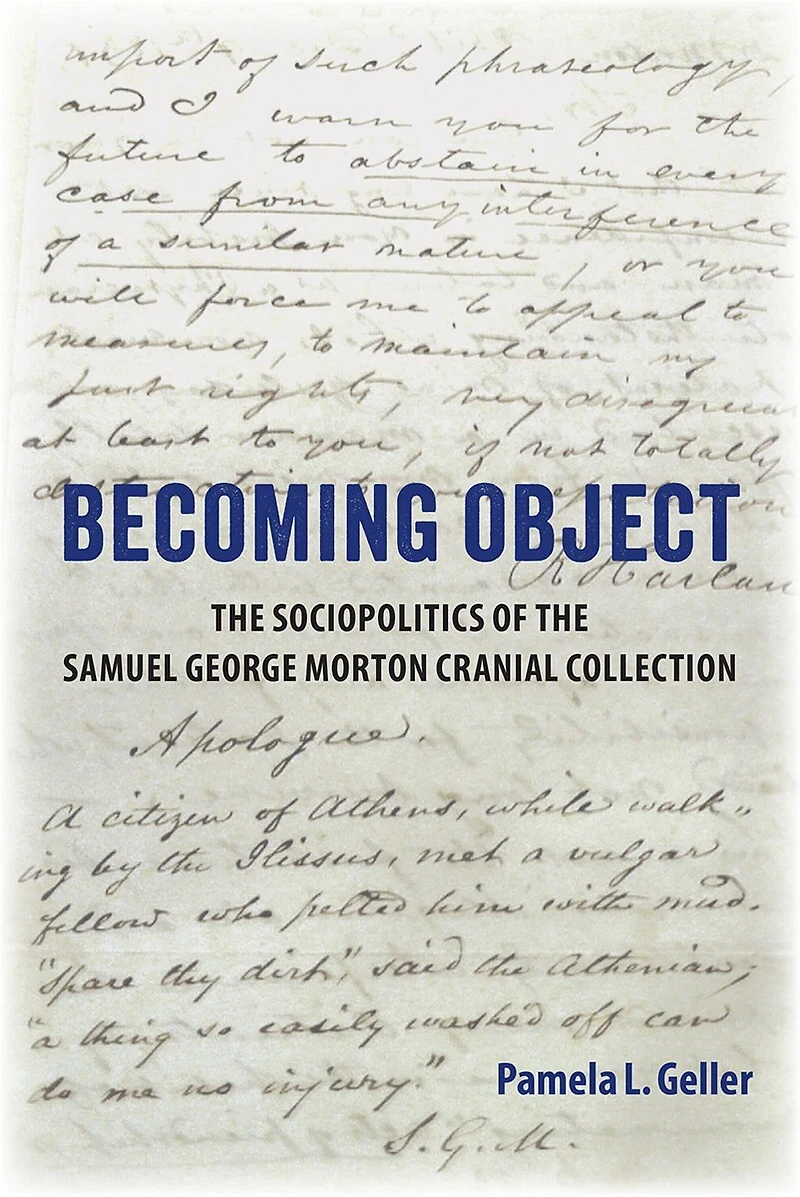
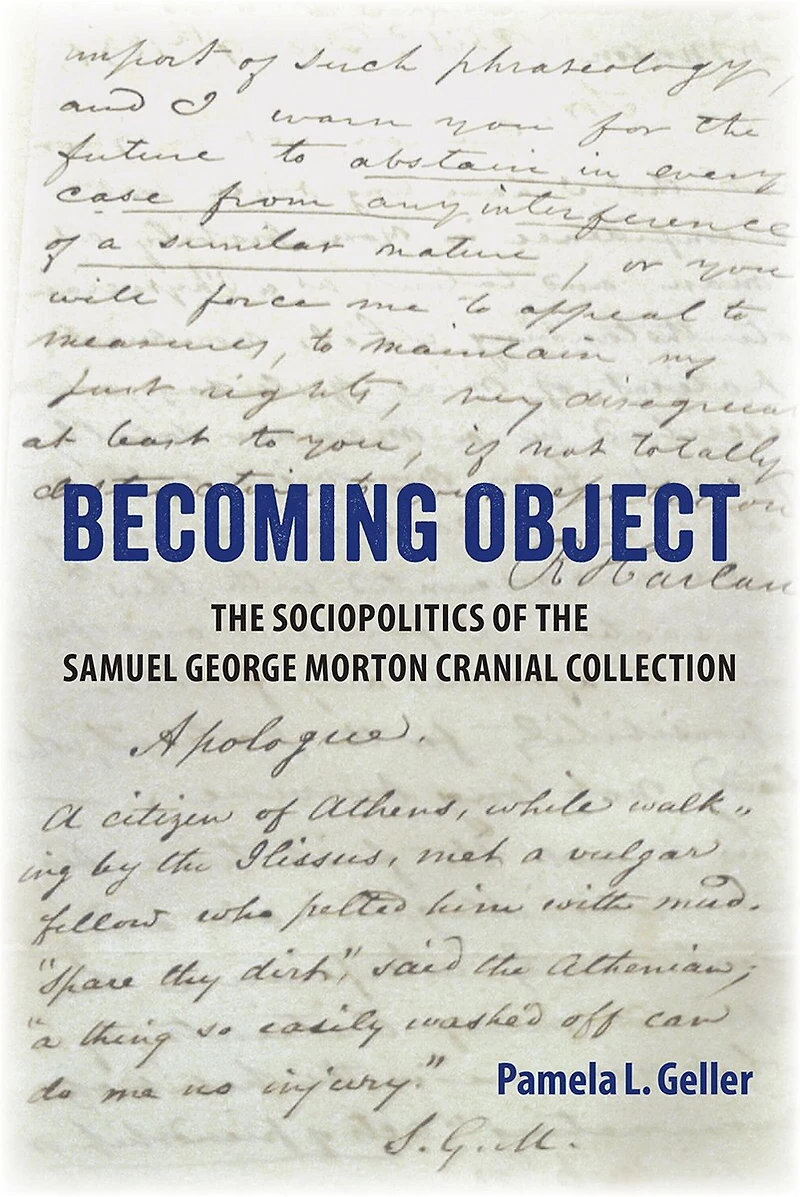
Becoming Object: the Sociopolitics of Samuel George Morton Cranial Collection
Current price: $138.00

Becoming Object: the Sociopolitics of Samuel George Morton Cranial Collection
Current price: $138.00
Loading Inventory...
Size: Hardcover
*Product information may vary - to confirm product availability, pricing, shipping and return information please contact Indigo
A biohistoric investigation of a controversial museum collection This book considers the vast collection of skulls amassed by Samuel Morton in the first half of the nineteenth century. Craniometric studies undertaken by this Philadelphia physician and natural historian, as previous writers have noted, advanced scientific racism. In Becoming Object , Pamela Geller shows that while the characterization is accurate, it is also oversimplified. Geller uses a biohistoric approach, which examines skeletal remains and archival sources, to take a close look at the times in which Morton lived, his work, and its complicated legacy. During a pivotal moment in US history—an interlude between the nation’s cohesion and its civil unraveling—Morton and colleagues encouraged and developed biomedical interventions, public health initiatives, and scientific standards. Yet they also represented certain populations as biologically inferior; diseases were tied to non-white races, suffering was gendered female, and poverty was presumed inherited. Efforts by Morton and colleagues made it easier to rationalize the deaths of disenfranchised individuals, collect their skulls from almshouse hospitals and battlefields, and transform them into objects. Ultimately, these men’s studies of diseases and skulls contributed to an understanding of American citizenship that valued whiteness, Christianity, and heroic masculinity defined by violence. Though medicine came to repudiate Morton’s work, his thinking became foundational for anthropology. The Morton Collection, a tangible reminder of his legacy, has become a barometer of the discipline’s relationship to white supremacy and colonialism. To advance today’s decolonial efforts, Becoming Object turns to the Morton Collection to document the diverse lives excluded from the body politic. To recount their stories, as Geller does, is to counter official histories, while the silences that remain hint at the subtle machinations of necropolitics.
A biohistoric investigation of a controversial museum collection This book considers the vast collection of skulls amassed by Samuel Morton in the first half of the nineteenth century. Craniometric studies undertaken by this Philadelphia physician and natural historian, as previous writers have noted, advanced scientific racism. In Becoming Object , Pamela Geller shows that while the characterization is accurate, it is also oversimplified. Geller uses a biohistoric approach, which examines skeletal remains and archival sources, to take a close look at the times in which Morton lived, his work, and its complicated legacy. During a pivotal moment in US history—an interlude between the nation’s cohesion and its civil unraveling—Morton and colleagues encouraged and developed biomedical interventions, public health initiatives, and scientific standards. Yet they also represented certain populations as biologically inferior; diseases were tied to non-white races, suffering was gendered female, and poverty was presumed inherited. Efforts by Morton and colleagues made it easier to rationalize the deaths of disenfranchised individuals, collect their skulls from almshouse hospitals and battlefields, and transform them into objects. Ultimately, these men’s studies of diseases and skulls contributed to an understanding of American citizenship that valued whiteness, Christianity, and heroic masculinity defined by violence. Though medicine came to repudiate Morton’s work, his thinking became foundational for anthropology. The Morton Collection, a tangible reminder of his legacy, has become a barometer of the discipline’s relationship to white supremacy and colonialism. To advance today’s decolonial efforts, Becoming Object turns to the Morton Collection to document the diverse lives excluded from the body politic. To recount their stories, as Geller does, is to counter official histories, while the silences that remain hint at the subtle machinations of necropolitics.
You May Also Like










More About Indigo at Erin Mills Town Centre
The largest book retailer in Canada also offers toys, music, home décor, gifts and lifestyle products. What's Inside...Books, Magazines, CD’s and DVD’s, Toys and Gifts, Home Accents, Electronics, Baby’s and Children’s Section, Bath and Body, Kitchen and Bedroom, Stationary Located outside in the exterior plaza.
5015 Glen Erin Dr, Mississauga, ON L5M 0R7, Canada
Find Indigo at Erin Mills Town Centre in Mississauga ON
Visit Indigo at Erin Mills Town Centre in Mississauga ON