

GIVE THE PERFECT GIFT
Erin Mills Town Centre Gift Cards are the perfect choice for your gift giving needs.Purchase gift cards at kiosks near the food court or centre court, at Guest Services, or click below to purchase online.PURCHASE HEREHome
"Beggars on our own land ...": Tsumib v Government of the Republic of Namibia and its Implications for Ancestral Land Claims in Namibia
Indigo
Loading Inventory...
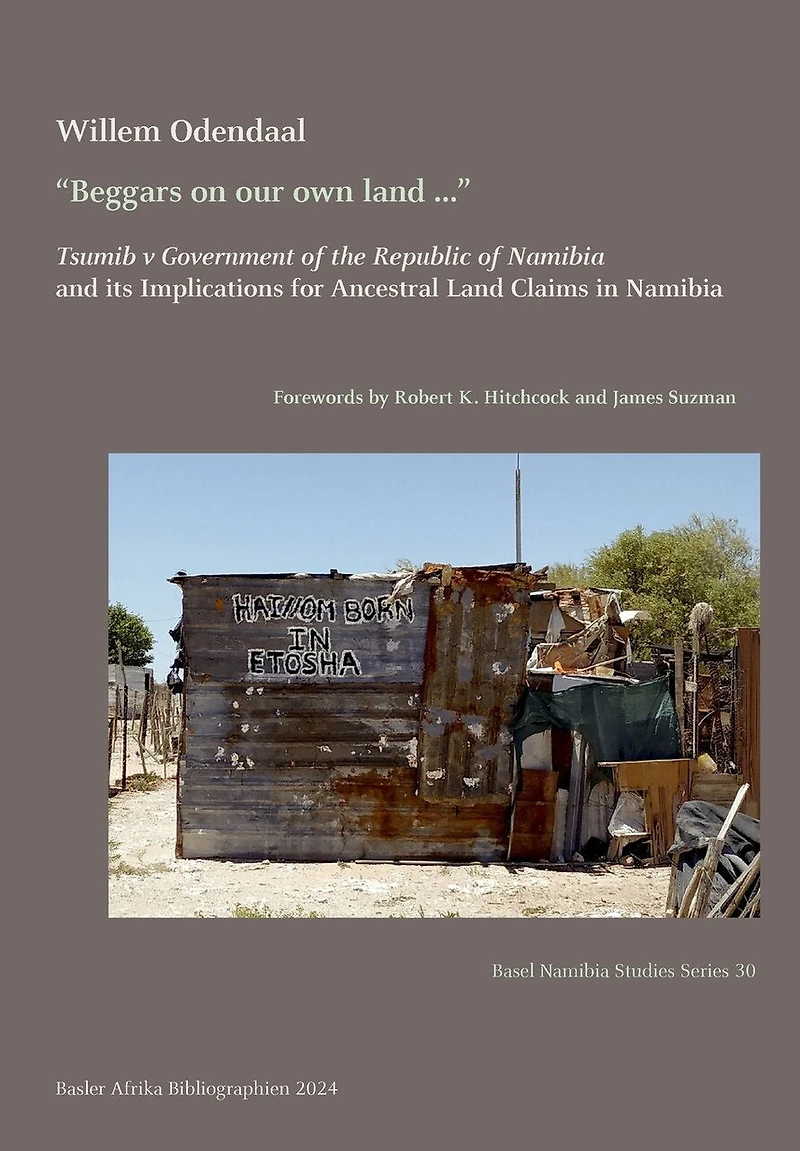
"Beggars on our own land ...": Tsumib v Government of the Republic of Namibia and its Implications for Ancestral Land Claims in Namibia
Current price: $49.98

"Beggars on our own land ...": Tsumib v Government of the Republic of Namibia and its Implications for Ancestral Land Claims in Namibia
Current price: $49.98
Loading Inventory...
Size: Paperback
*Product information may vary - to confirm product availability, pricing, shipping and return information please contact Indigo
In 1954, the Haillom people were evicted from Etosha by the South African-con-trolled South West African Administration. In 2015, the Haillom filed the case of Tsumib v Government of the Republic of Namibia in the High Court of Namibia. "Beggars on our own land ..." unravels the historical and contemporary socio-legal complexities that led to the Tsumib case. At the core of the case lies the legal question, how can the Haillom people approach the Namibian Courts in order to claim compensation for the loss of their ancestral lands? Odendaal goes into detail how the Tsumib case materialised under the post-inde-pendence Namibian constitutional discourse. He assesses the Namibian land re form programme and its oversight in dealing with historical land dispossessions. He inspects Haillom "identity" and how it was used to strengthen their case. He concludes with an examination of Namibia's outdated and restrictive legal frame-work, which ultimately denied the Haillom people their constitutional right to be heard in the Namibian Court. While the future of ancestral land claims in Namibia depends on the political will of the Namibian government, Odendaal argues that the Namibian courts have a duty to comply with the rights giving nature of the Namibian Constitution that lays the foundation for the Haillom people's ancestral claims.
In 1954, the Haillom people were evicted from Etosha by the South African-con-trolled South West African Administration. In 2015, the Haillom filed the case of Tsumib v Government of the Republic of Namibia in the High Court of Namibia. "Beggars on our own land ..." unravels the historical and contemporary socio-legal complexities that led to the Tsumib case. At the core of the case lies the legal question, how can the Haillom people approach the Namibian Courts in order to claim compensation for the loss of their ancestral lands? Odendaal goes into detail how the Tsumib case materialised under the post-inde-pendence Namibian constitutional discourse. He assesses the Namibian land re form programme and its oversight in dealing with historical land dispossessions. He inspects Haillom "identity" and how it was used to strengthen their case. He concludes with an examination of Namibia's outdated and restrictive legal frame-work, which ultimately denied the Haillom people their constitutional right to be heard in the Namibian Court. While the future of ancestral land claims in Namibia depends on the political will of the Namibian government, Odendaal argues that the Namibian courts have a duty to comply with the rights giving nature of the Namibian Constitution that lays the foundation for the Haillom people's ancestral claims.
You May Also Like









More About Indigo at Erin Mills Town Centre
The largest book retailer in Canada also offers toys, music, home décor, gifts and lifestyle products. What's Inside...Books, Magazines, CD’s and DVD’s, Toys and Gifts, Home Accents, Electronics, Baby’s and Children’s Section, Bath and Body, Kitchen and Bedroom, Stationary Located outside in the exterior plaza.
5015 Glen Erin Dr, Mississauga, ON L5M 0R7, Canada
Find Indigo at Erin Mills Town Centre in Mississauga ON
Visit Indigo at Erin Mills Town Centre in Mississauga ON