

GIVE THE PERFECT GIFT
Erin Mills Town Centre Gift Cards are the perfect choice for your gift giving needs.Purchase gift cards at kiosks near the food court or centre court, at Guest Services, or click below to purchase online.PURCHASE HEREHome
Behavior Analytic Approaches to Promote Enjoyable Mealtimes for Autistics/Individuals Diagnosed with Autism and their Families
Indigo
Loading Inventory...
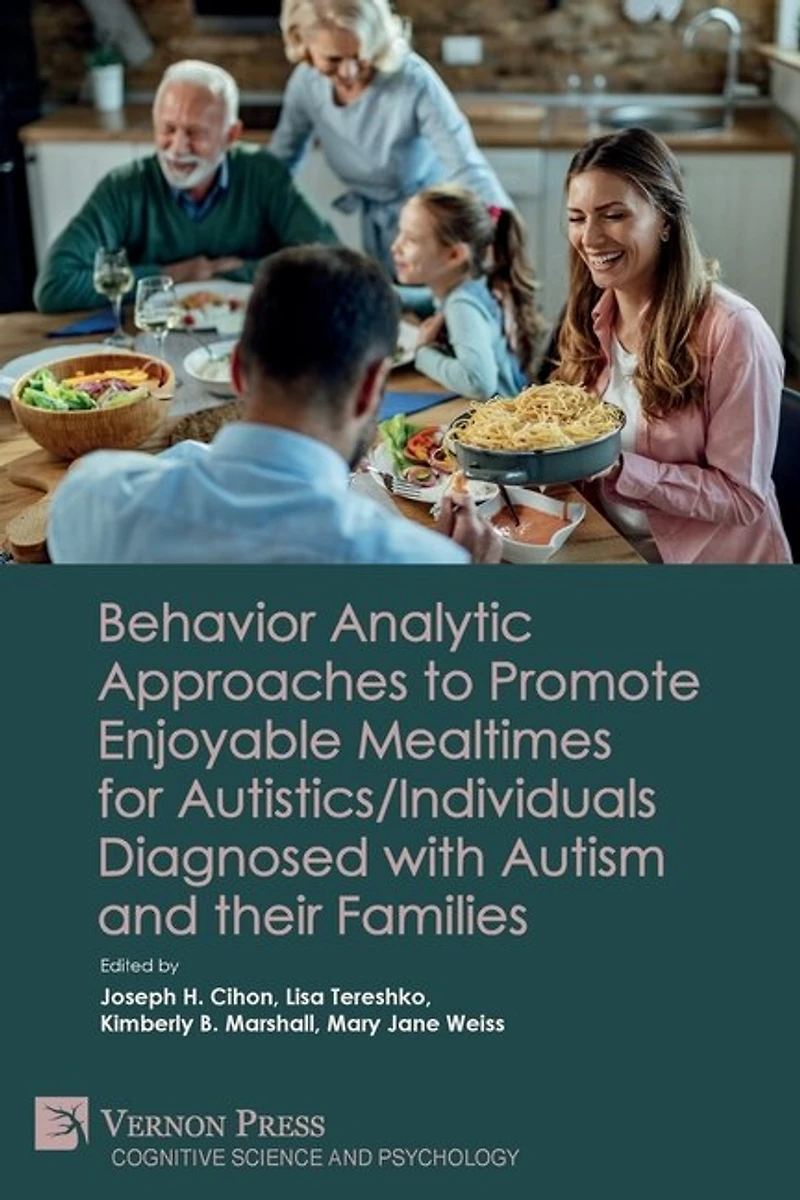
Behavior Analytic Approaches to Promote Enjoyable Mealtimes for Autistics/Individuals Diagnosed with Autism and their Families
Current price: $77.00

Behavior Analytic Approaches to Promote Enjoyable Mealtimes for Autistics/Individuals Diagnosed with Autism and their Families
Current price: $77.00
Loading Inventory...
Size: Paperback
*Product information may vary - to confirm product availability, pricing, shipping and return information please contact Indigo
It has been estimated that 70% to 90% of individuals diagnosed with autism spectrum disorder (ASD) experience mealtime challenges (Volkert & Vaz, 2010). Most approaches to the treatment of mealtime challenges have focused on decreasing interfering mealtime behaviors through escape extinction (i.e., requiring consumption of food prior to meal termination) and other approaches that may be perceived as punitive by parents, individuals diagnosed with ASD, and other stakeholders. In recent years, there has been an increase in research on promoting enjoyable mealtimes for individuals diagnosed with ASD and their families. The purpose of this edited book is to provide a comprehensive review of these approaches for improving mealtime behaviors for individuals diagnosed with ASD, provide clinical recommendations for improving mealtime behaviors, and identify areas for future research.
It has been estimated that 70% to 90% of individuals diagnosed with autism spectrum disorder (ASD) experience mealtime challenges (Volkert & Vaz, 2010). Most approaches to the treatment of mealtime challenges have focused on decreasing interfering mealtime behaviors through escape extinction (i.e., requiring consumption of food prior to meal termination) and other approaches that may be perceived as punitive by parents, individuals diagnosed with ASD, and other stakeholders. In recent years, there has been an increase in research on promoting enjoyable mealtimes for individuals diagnosed with ASD and their families. The purpose of this edited book is to provide a comprehensive review of these approaches for improving mealtime behaviors for individuals diagnosed with ASD, provide clinical recommendations for improving mealtime behaviors, and identify areas for future research.
You May Also Like










More About Indigo at Erin Mills Town Centre
The largest book retailer in Canada also offers toys, music, home décor, gifts and lifestyle products. What's Inside...Books, Magazines, CD’s and DVD’s, Toys and Gifts, Home Accents, Electronics, Baby’s and Children’s Section, Bath and Body, Kitchen and Bedroom, Stationary Located outside in the exterior plaza.
5015 Glen Erin Dr, Mississauga, ON L5M 0R7, Canada
Find Indigo at Erin Mills Town Centre in Mississauga ON
Visit Indigo at Erin Mills Town Centre in Mississauga ON