

GIVE THE PERFECT GIFT
Erin Mills Town Centre Gift Cards are the perfect choice for your gift giving needs.Purchase gift cards at kiosks near the food court or centre court, at Guest Services, or click below to purchase online.PURCHASE HEREHome
Behavioral Public Economics: Social Incentives And Preferences
Indigo
Loading Inventory...
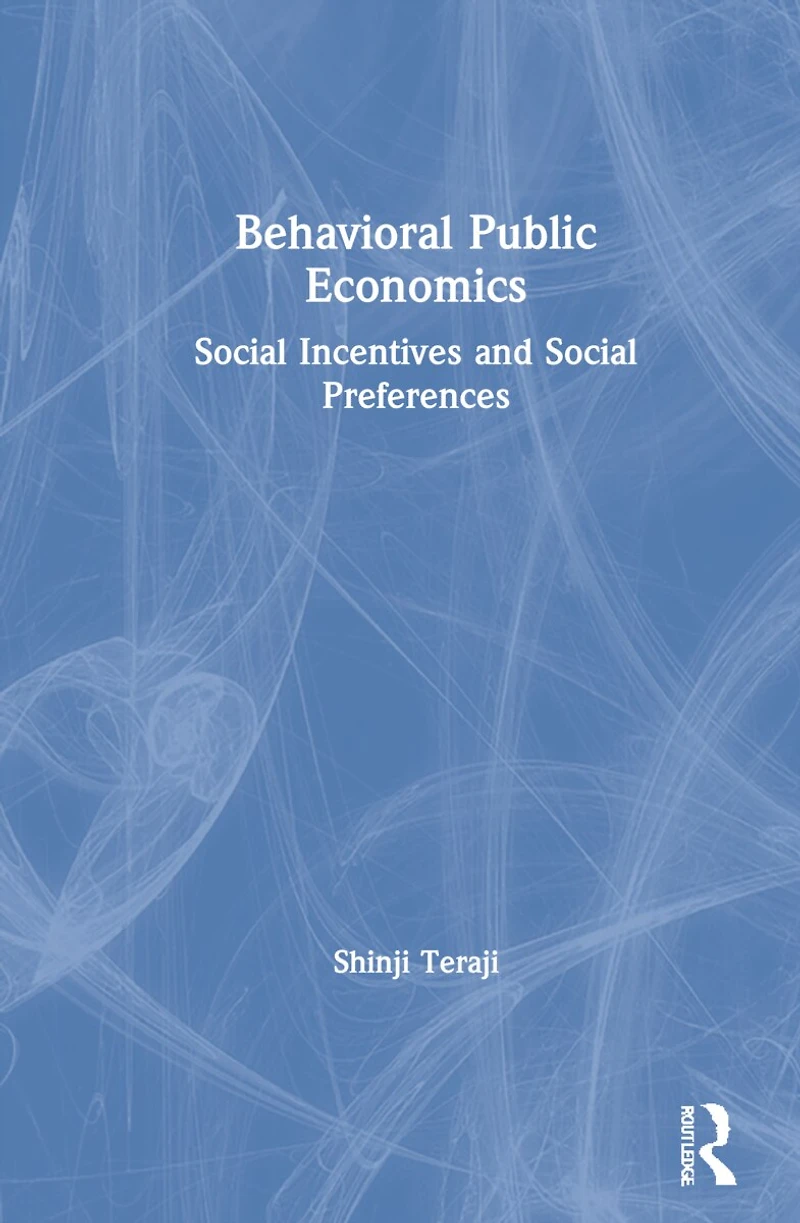
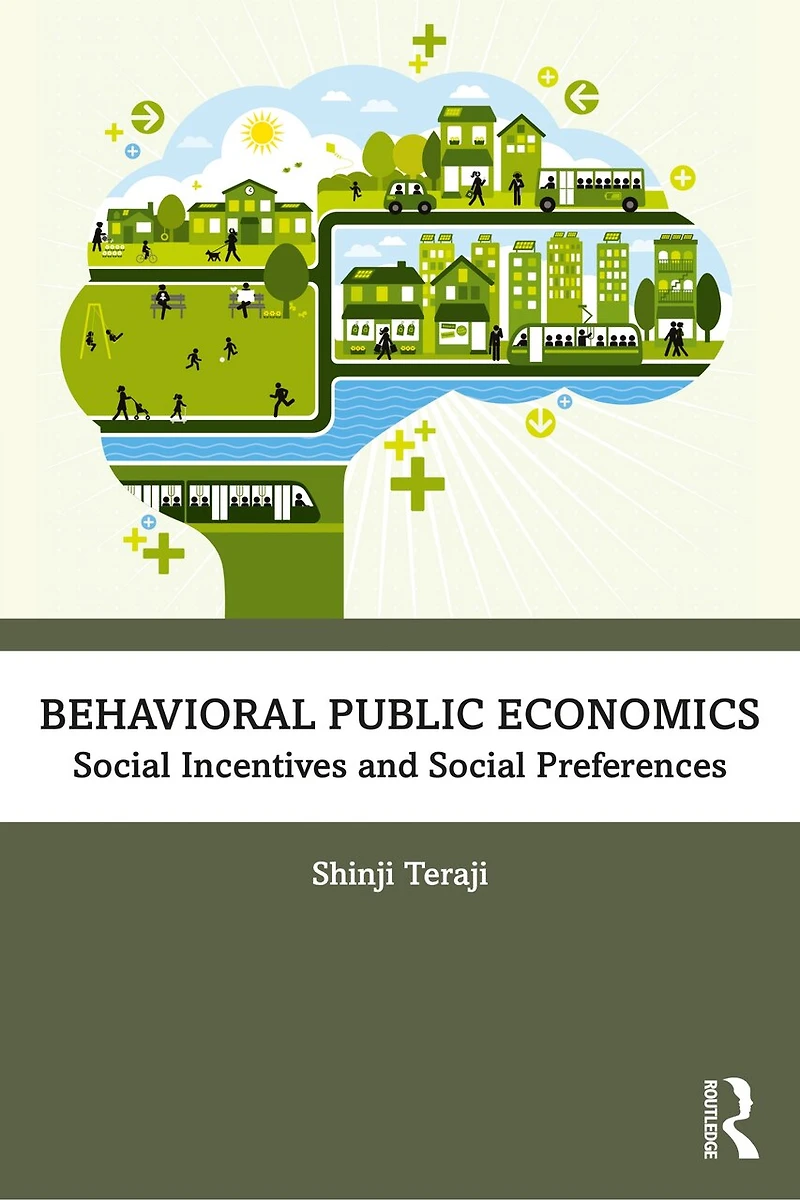
Behavioral Public Economics: Social Incentives And Preferences
Current price: $296.50

Behavioral Public Economics: Social Incentives And Preferences
Current price: $296.50
Loading Inventory...
Size: Hardcover
*Product information may vary - to confirm product availability, pricing, shipping and return information please contact Indigo
Behavioral Public Economics shows how standard public economics can be improved using insights from behavioral economics. Public economics typically lists four market failures that may justify government intervention in markets-imperfect competition (or natural monopoly), externalities, public goods, and asymmetric information. Under the rational choice paradigm ('agents choose what is best for them'), public economics has examined the welfare effects of policy. Recent research in behavioral economics highlights a fifth market failure-individuals may make mistakes in pursuing their own well-being. This book calls for a rethinking of assumptions of individual behavior and provides a good foundation for public economic theory. Key features:
Introduces behavioral perspectives into public economics.
Explains why economic incentives often undermine social preferences.
Reveals that social incentives matter for public policy.
This book will be an invaluable resource for researchers and postgraduate students in public economics, behavioral economics, and public policy.
Behavioral Public Economics shows how standard public economics can be improved using insights from behavioral economics. Public economics typically lists four market failures that may justify government intervention in markets-imperfect competition (or natural monopoly), externalities, public goods, and asymmetric information. Under the rational choice paradigm ('agents choose what is best for them'), public economics has examined the welfare effects of policy. Recent research in behavioral economics highlights a fifth market failure-individuals may make mistakes in pursuing their own well-being. This book calls for a rethinking of assumptions of individual behavior and provides a good foundation for public economic theory. Key features:
Introduces behavioral perspectives into public economics.
Explains why economic incentives often undermine social preferences.
Reveals that social incentives matter for public policy.
This book will be an invaluable resource for researchers and postgraduate students in public economics, behavioral economics, and public policy.
You May Also Like












More About Indigo at Erin Mills Town Centre
The largest book retailer in Canada also offers toys, music, home décor, gifts and lifestyle products. What's Inside...Books, Magazines, CD’s and DVD’s, Toys and Gifts, Home Accents, Electronics, Baby’s and Children’s Section, Bath and Body, Kitchen and Bedroom, Stationary Located outside in the exterior plaza.
5015 Glen Erin Dr, Mississauga, ON L5M 0R7, Canada
Find Indigo at Erin Mills Town Centre in Mississauga ON
Visit Indigo at Erin Mills Town Centre in Mississauga ON