

GIVE THE PERFECT GIFT
Erin Mills Town Centre Gift Cards are the perfect choice for your gift giving needs.Purchase gift cards at kiosks near the food court or centre court, at Guest Services, or click below to purchase online.PURCHASE HEREHome
Being Gay Ireland: Resisting Stigma the Evolving Present
Indigo
Loading Inventory...
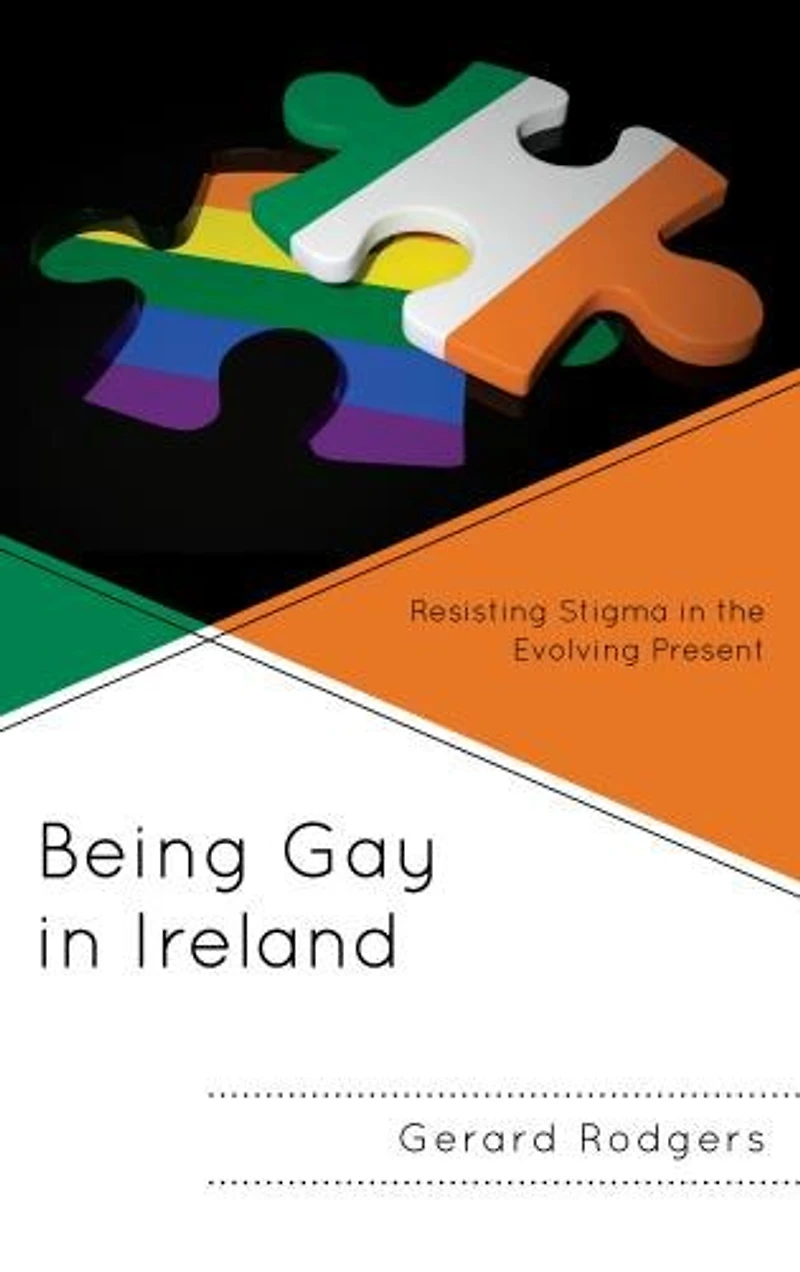
Being Gay Ireland: Resisting Stigma the Evolving Present
Current price: $175.50

Being Gay Ireland: Resisting Stigma the Evolving Present
Current price: $175.50
Loading Inventory...
Size: Hardcover
*Product information may vary - to confirm product availability, pricing, shipping and return information please contact Indigo
In Being Gay in Ireland: Resisting Stigma in the Evolving Present, Gerard Rodgers argues that existing theory and research on the lives of gay men often exhibits a social weightlessness such that self-beliefs are frequently decoupled from an analysis of society. History and conventions inform and shape gay men's self-beliefs, yet psychology as a discipline rarely dialogues with historical or political scholarship. Rodgers corrects this oversight with a critical analysis of the decades of socio-political struggle in Ireland and elsewhere. Rodgers captures the lives of gay men who are situated in varied contexts and who all, despite their different situations, possess self-beliefs that are shaped by wider historical traditions and evolving social change. Rodgers argues that the nuances and particulars of self-beliefs are significantly affected by wider historical traditions and evolving social and political changes. Through his reconstruction, Rodgers provides practitioners of applied psychological and therapeutic disciplines with an in-depth picture of how historical context and social justice successes have interacted with gay men's self-beliefs, with a particular focus on how prosocial resistances against prejudice have incrementally eroded historical standards of gay stigma.
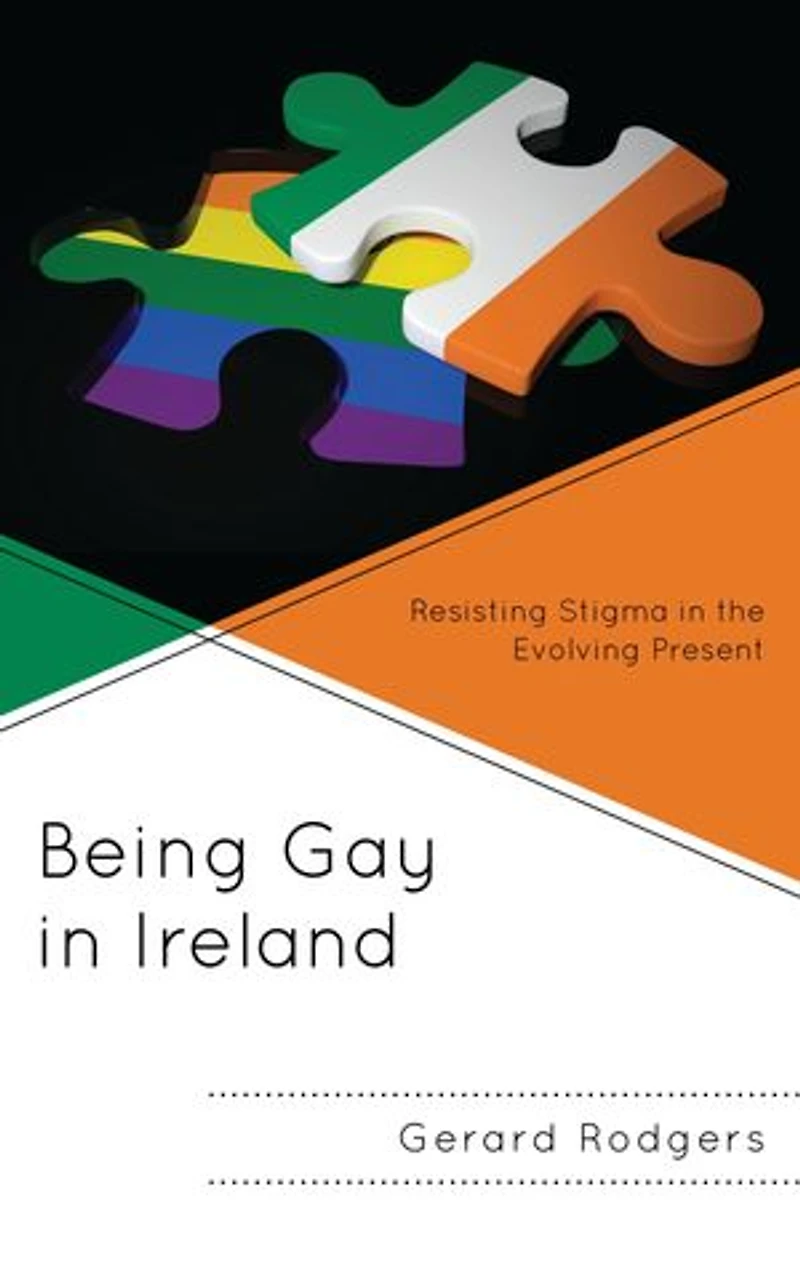
In Being Gay in Ireland: Resisting Stigma in the Evolving Present, Gerard Rodgers argues that existing theory and research on the lives of gay men often exhibits a social weightlessness such that self-beliefs are frequently decoupled from an analysis of society. History and conventions inform and shape gay men's self-beliefs, yet psychology as a discipline rarely dialogues with historical or political scholarship. Rodgers corrects this oversight with a critical analysis of the decades of socio-political struggle in Ireland and elsewhere. Rodgers captures the lives of gay men who are situated in varied contexts and who all, despite their different situations, possess self-beliefs that are shaped by wider historical traditions and evolving social change. Rodgers argues that the nuances and particulars of self-beliefs are significantly affected by wider historical traditions and evolving social and political changes. Through his reconstruction, Rodgers provides practitioners of applied psychological and therapeutic disciplines with an in-depth picture of how historical context and social justice successes have interacted with gay men's self-beliefs, with a particular focus on how prosocial resistances against prejudice have incrementally eroded historical standards of gay stigma.
You May Also Like









More About Indigo at Erin Mills Town Centre
The largest book retailer in Canada also offers toys, music, home décor, gifts and lifestyle products. What's Inside...Books, Magazines, CD’s and DVD’s, Toys and Gifts, Home Accents, Electronics, Baby’s and Children’s Section, Bath and Body, Kitchen and Bedroom, Stationary Located outside in the exterior plaza.
5015 Glen Erin Dr, Mississauga, ON L5M 0R7, Canada
Find Indigo at Erin Mills Town Centre in Mississauga ON
Visit Indigo at Erin Mills Town Centre in Mississauga ON